
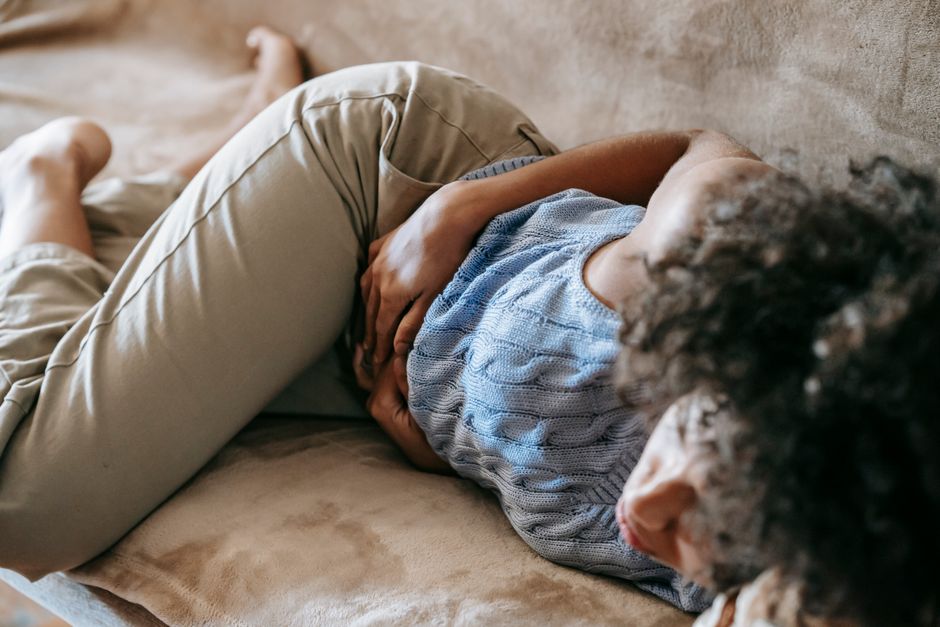
Mild cramping in early pregnancy is common and usually normal. It often feels like light pulling, stretching, or period-like discomfort in the lower belly. The key fact is that light cramping without bleeding, lasting a few minutes to a few hours, is typically nothing to worry about. But strong pain, heavy bleeding, or cramps that get worse over time need a call to your doctor right away.
What Causes Cramping in Early Pregnancy?
Your body changes fast in the first trimester. The uterus starts to grow and stretch. This stretching pulls on ligaments and muscles around it. That sensation is often what you feel as mild cramping.
Another cause is implantation. When the fertilized egg attaches to the uterine lining, some women feel a brief cramp. This happens around 6 to 12 days after conception. It is usually very mild and lasts only a day or two.
Hormones also play a role. Progesterone levels rise quickly. This hormone relaxes smooth muscles in the body, including the uterus. That relaxation can lead to a dull ache or mild cramping as the uterus adjusts.
Gas and bloating are common in early pregnancy too. Slower digestion from hormonal changes can cause abdominal discomfort that feels like cramps. This is not dangerous but can be annoying.
How Much Cramping Is Normal In Early Pregnancy?
Normal cramping is mild and comes and goes. It feels like a dull ache or a gentle tug. It is not sharp or constant. You might feel it for a few minutes, then it stops. It can happen several times a day or only once every few days.
Normal cramps are light enough that you can still go about your day. They do not stop you from moving or sleeping. They are not accompanied by bright red bleeding, fever, or dizziness.
Some women describe it as similar to menstrual cramps but less intense. If the pain feels like a strong period cramp or worse, that is a sign to check in with your doctor. As of 2026, current research suggests that mild, intermittent cramping without bleeding is part of a healthy pregnancy for most women.
One non-obvious point: cramps that happen only on one side can be normal too. The corpus luteum, which produces progesterone in early pregnancy, can cause a dull ache on the ovary that released the egg. But if one-sided pain is sharp or severe, it needs medical evaluation.
| Type of Cramp | What It Feels Like | When to Worry |
|---|---|---|
| Normal | Dull ache, light pulling, mild period-like sensation | No bleeding, no fever, no dizziness |
| Concerning | Sharp, stabbing, constant, or getting worse | With bleeding, fever, or fainting |
| Emergency | Severe pain that does not stop | Heavy bleeding, shoulder pain, passing tissue |
When Should You Worry About Cramping?
You should worry when cramping is severe or comes with other symptoms. Severe pain means you cannot stand up straight or you are doubled over. That is not normal.
Bleeding with cramps is a red flag. Light spotting can be normal in early pregnancy. But bright red blood, clots, or bleeding that fills a pad in an hour is not. Call your doctor or go to the emergency room.
Other warning signs include fever over 100.4°F, chills, or pain when you pee. These could point to a urinary tract infection or another issue that needs treatment. Dizziness or fainting with cramping could mean an ectopic pregnancy, which is a medical emergency.
Ectopic pregnancy happens when the embryo implants outside the uterus, usually in a fallopian tube. It causes sharp pain on one side, often with spotting. This is rare but serious. If you have these symptoms, get help immediately.
Miscarriage is another concern. About 10 to 20 percent of known pregnancies end in miscarriage. Cramping and bleeding are the most common signs. But many women with cramping and spotting go on to have healthy pregnancies. You cannot know without medical evaluation.





What Does Research Say About Early Pregnancy Cramping?
Research shows that cramping is one of the most common symptoms in early pregnancy. A 2022 study in the journal Obstetrics & Gynecology found that over 60 percent of pregnant women reported cramping in the first trimester. Most of these women had normal pregnancies.
Another study looked at women who went to the emergency room for cramping in early pregnancy. Of those who had no bleeding, more than 90 percent had a viable pregnancy at follow-up. This suggests that cramping alone, without bleeding, is rarely a sign of trouble.
Evidence also indicates that the timing of cramps matters. Cramps that happen around the time of a missed period are often from implantation or uterine stretching. Cramps that start later, after a heartbeat has been seen on ultrasound, are less likely to be a problem.
Some studies suggest that women who have had previous miscarriages may be more anxious about cramping. That is understandable. But current research does not show that cramping itself raises the risk of miscarriage. It is the combination of cramping with bleeding that is more concerning.
A common myth is that all cramping means something is wrong. That is not true. Your uterus is expanding. Your ligaments are stretching. Your body is working hard. Some discomfort is part of the process.
How Can You Tell the Difference Between Normal and Abnormal Cramping?
Normal cramping is mild and intermittent. It does not get steadily worse. It does not wake you up at night. You can still do your normal activities.
Abnormal cramping is severe, constant, or gets worse over hours. It might be sharp like a knife or a stabbing sensation. It might come in waves that get stronger instead of fading.
Location matters too. Normal cramps are usually in the center of the lower belly. They can move from side to side. Abnormal cramps are often on one side only and do not move. This could point to an ectopic pregnancy or ovarian issue.
What you do not feel is also important. If you have no bleeding, no fever, and no dizziness, the odds are very good that your cramps are normal. But if you are unsure, call your doctor. That is what they are there for.
- Normal: Mild, comes and goes, center of belly, no other symptoms
- Abnormal: Severe, constant, one-sided, with bleeding or fever
- Emergency: Unbearable pain, heavy bleeding, fainting, shoulder pain
What Should You Do If You Are Worried About Cramping?
If you are worried, call your doctor or midwife. Describe the pain, when it started, and if you have any bleeding. They can tell you if you need to come in or if it can wait.
Do not take pain relievers like ibuprofen or aspirin without asking. These can be harmful in pregnancy. Acetaminophen (Tylenol) is generally considered safe in limited amounts, but always check with your provider first.
Rest can help. Lying down may ease mild cramps. So can a warm bath or a heating pad on a low setting placed on your belly. Do not use a heating pad on high heat or leave it on for more than 20 minutes.
Drink water. Dehydration can make cramps worse. Aim for 8 to 10 cups of water a day. Eat small meals to avoid gas and bloating, which can mimic or worsen cramping.
Track your symptoms. Write down when cramps happen, how long they last, and how strong they are. This information helps your doctor figure out what is going on. If you notice a pattern, share it with them.
Frequently Asked Questions
Is cramping without bleeding normal in early pregnancy?
Yes, mild cramping without bleeding is very common and usually normal. It is often caused by the uterus stretching and growing.
How long does normal early pregnancy cramping last?
Normal cramps last from a few minutes to a few hours at a time. They come and go and do not get steadily worse.
Can cramping mean miscarriage even without bleeding?
It is possible but uncommon. Most women with cramping alone go on to have healthy pregnancies. Call your doctor if you are worried.
What does ectopic pregnancy cramping feel like?
Ectopic pregnancy cramping is usually sharp and on one side of the lower belly. It often comes with spotting or light bleeding and can be severe.
