
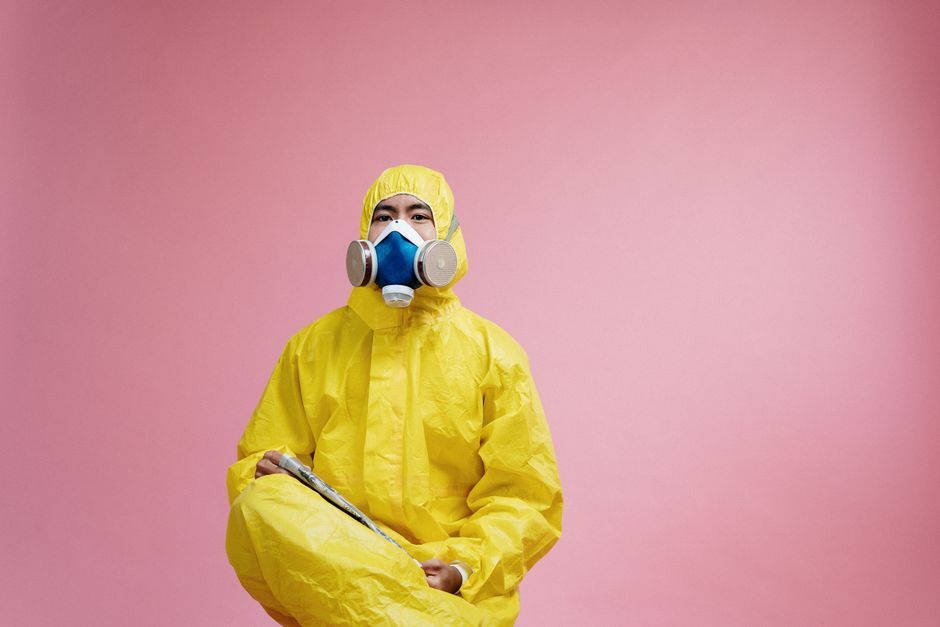
Food contamination often starts long before it reaches your kitchen. The biggest risks come from everyday personal habits — how you handle food, how you clean up, and what you touch in between. The most common personal behaviors that contaminate food are not washing hands properly, cross-contaminating surfaces and utensils, undercooking food, leaving food at unsafe temperatures, and preparing food while sick. Each of these behaviors can introduce harmful bacteria, viruses, or other pathogens into meals, and they are entirely preventable with consistent kitchen practices.
Why Is Hand Washing the Most Critical Food Safety Step?
Hand washing is the single most effective thing you can do to prevent foodborne illness. Your hands touch raw meat, unwashed produce, trash, pets, phones, and door handles — then they touch food. That transfer is how pathogens like Salmonella, E. coli, and norovirus end up in meals.
The science is straightforward. Soap breaks down the oils and dirt on your skin that trap microorganisms. Running water physically removes them. Friction from rubbing your hands together dislodges bacteria from the crevices of your skin. Without all three — soap, water, and friction — the wash is incomplete.
Studies have found that many people wash their hands for only a few seconds, which is not enough to remove pathogens effectively. The established guidance is to scrub for at least 20 seconds — roughly the time it takes to hum the “Happy Birthday” song twice. This is a clinical recommendation, not an estimate.
Hand washing matters most before handling ready-to-eat foods like salads, bread, and fruit. These foods will not be cooked, so any pathogen transferred to them goes straight into your body. After handling raw meat, poultry, or eggs, washing your hands is equally essential to avoid spreading those pathogens to other surfaces.
How Does Cross-Contamination Spread Pathogens in the Kitchen?
Cross-contamination happens when bacteria from one food transfer to another. The most common route is through your hands, cutting boards, knives, sponges, and countertops. Raw chicken is a frequent culprit — its juices can carry Campylobacter and Salmonella, which spread easily to anything they touch.
Using the same cutting board for raw meat and then for vegetables is a classic mistake. Even if you rinse the board quickly, bacteria can remain in the grooves and crevices. The safer practice is to use separate boards for raw meat and ready-to-eat foods, or to wash the board thoroughly with hot, soapy water between uses.
Kitchen towels are another hidden source of cross-contamination. Drying your hands on a towel after touching raw meat, then using that same towel to dry dishes, transfers bacteria directly. Replace towels frequently, and never use the same towel for hands and dishes in the same cooking session.
Sponges are among the most contaminated items in a home. They stay moist, hold food particles, and are rarely sanitized properly. Microwaving a wet sponge can kill some bacteria, but it does not eliminate all of them. Replacing sponges regularly is the more reliable approach.
What Temperature Mistakes Allow Bacteria to Grow in Food?
Temperature control is the difference between a safe meal and a dangerous one. Bacteria multiply fastest between 40°F and 140°F — a range known as the danger zone. At room temperature, bacterial populations can double in as little as 20 minutes.
Leaving cooked food out on the counter for hours is one of the most common temperature mistakes. The established guideline is that perishable food should not sit at room temperature for more than two hours. If the room is above 90°F, that window drops to one hour. After that, the food should be refrigerated or discarded.
Cooling large pots of soup or stew slowly is another problem. A big pot of hot food in the refrigerator can take hours to cool through the center, keeping the food in the danger zone for an extended period. Dividing large portions into shallow containers speeds up cooling and reduces risk.
Refrigerator temperature matters too. Your fridge should be at or below 40°F. If it runs warmer, bacteria can grow even in refrigerated food. A simple appliance thermometer is the only reliable way to know your fridge is cold enough.


How Does Undercooking Contribute to Foodborne Illness?
Undercooking fails to kill the pathogens that naturally live in or on raw foods. The heat of cooking is what destroys bacteria, viruses, and parasites. If the internal temperature does not reach high enough, those pathogens survive and cause illness when eaten.
Ground meat is a particular concern because grinding spreads bacteria throughout the meat, not just on the surface. A steak can be safely cooked rare on the outside because the interior is sterile, but a hamburger patty must be cooked all the way through. The safe internal temperature for ground beef is 160°F.
Poultry requires the highest cooking temperatures. Chicken and turkey must reach 165°F internally to kill Salmonella and Campylobacter reliably. Pork, which was once recommended to be cooked well-done, is now safe at 145°F with a three-minute rest time, according to updated guidance.
Eggs should be cooked until both the white and yolk are firm. Fish should reach 145°F or cook until the flesh is opaque and flakes easily. Leftovers should be reheated to 165°F throughout.
A food thermometer is the only accurate way to know if food is safely cooked. Color and texture are unreliable indicators. Cutting into meat to check is not enough — the center may look done while still harboring bacteria.
What Happens When You Prepare Food While Sick?
Preparing food while sick is a direct route to spreading illness. Norovirus, in particular, is highly contagious and can be shed in vomit and stool for days after symptoms resolve. A single infected person can contaminate an entire meal.
The established guidance is clear: do not prepare food for others if you have vomiting, diarrhea, or a fever. These symptoms indicate an active infection that can spread through food. Even if you feel well enough to cook, you are still contagious.
After symptoms stop, the risk does not end immediately. Norovirus can be shed for up to two weeks after recovery. The practical recommendation is to wait at least 48 hours after symptoms stop before preparing food for others.
If you must be in the kitchen while sick, wear gloves and wash your hands frequently. But gloves are not a substitute for staying out of the kitchen entirely. The safest choice is to let someone else cook until you are fully recovered.
What Personal Behaviors Contaminate Food Without You Noticing?
Some contamination behaviors are invisible. Touching your face, hair, or mouth while cooking transfers bacteria from your body to your hands, then to food. Wiping your nose with your hand and then reaching for a spice jar is a direct contamination route.
Jewelry is another overlooked source. Rings, bracelets, and watches trap bacteria and make thorough hand washing more difficult. The skin under a ring is a known reservoir for pathogens. Removing jewelry before food preparation reduces this risk.
Pets in the kitchen introduce their own contamination. Letting a cat walk on countertops or a dog lick your hands while you cook transfers animal bacteria to food. Keeping pets out of the kitchen during food preparation is the safest practice.
Not washing produce is a behavior that many people overlook. Even if you plan to peel or cook fruits and vegetables, washing them first prevents bacteria on the skin from transferring to the flesh when you cut into them. Running water is sufficient — no soap or commercial washes are needed.
How Do You Break These Contamination Habits for Good?
Building food safety habits requires consistency, not perfection. Start with the behaviors that carry the most risk: hand washing, temperature control, and cross-contamination prevention. These three areas prevent the majority of foodborne illness cases.
Create a routine that makes safety automatic. Wash your hands the moment you enter the kitchen. Use separate cutting boards for meat and produce. Set a timer for the two-hour room temperature limit. Keep a food thermometer in a drawer where you will actually use it.
Clean as you go. Wiping counters between tasks, washing utensils after each use, and replacing towels daily reduces the chance of cross-contamination. The kitchen is easier to keep safe when it is cleaned continuously rather than in one big effort at the end.
Be honest about your own habits. Most people believe they practice good food safety, but studies show that most home cooks skip key steps like hand washing or using a thermometer. Recognizing the gap between what you think you do and what you actually do is the first step to changing it.
Frequently Asked Questions
How long should I wash my hands before handling food?
Wash your hands with soap and running water for at least 20 seconds before handling any food. This is the established clinical recommendation for removing pathogens from the skin.
What is the danger zone for food temperature?
The danger zone is between 40°F and 140°F, where bacteria multiply most rapidly. Perishable food should not remain in this range for more than two hours.
Can I cook for my family if I have a mild cold?
A mild cold without fever or digestive symptoms poses lower risk, but hand washing and avoiding close contact with food are still essential. If you have vomiting, diarrhea, or fever, do not prepare food for others.
Is it safe to use the same cutting board for meat and vegetables?
No, using the same cutting board for raw meat and ready-to-eat foods without thorough washing between uses risks cross-contamination. Use separate boards or wash with hot, soapy water in between.
