
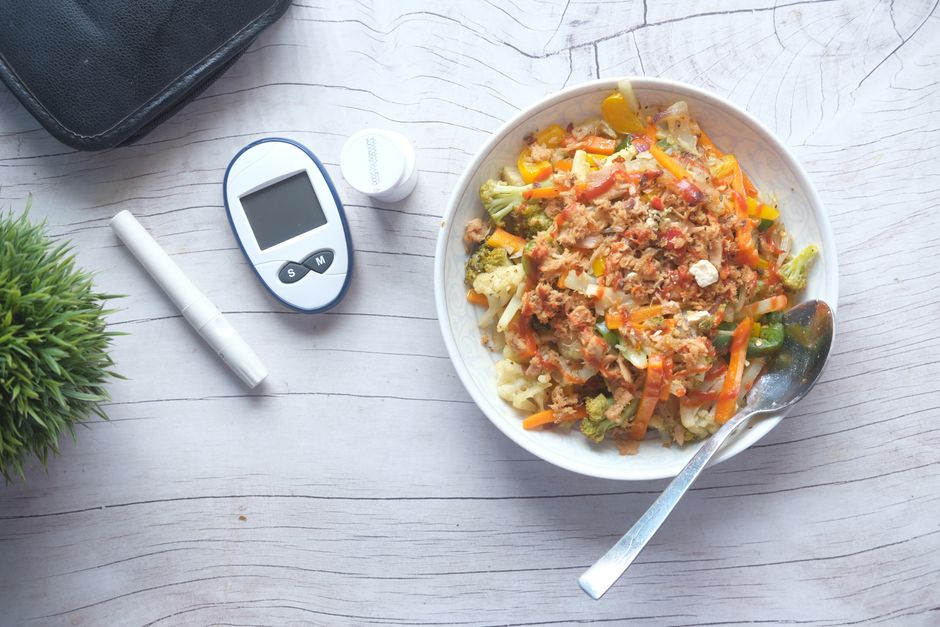
Managing diabetes means thinking about food differently. But it does not mean eating bland meals or giving up entire food groups. The real question is not what you cannot eat. It is what you can eat and how much. Every food group has options that work well for blood sugar control. The key is choosing the right versions, watching portions, and pairing foods in ways that slow down glucose absorption.
What Can Diabetics Eat From the Grains and Starches Group?
Grains and starches are the food group people with diabetes often fear most. That fear is understandable because these foods break down into glucose. But your body needs carbohydrates for energy. The goal is not to eliminate them. The goal is to choose carbohydrates that digest slowly.
Whole grains are the clear winners here. Brown rice, quinoa, barley, oats, and whole wheat bread all contain fiber. Fiber slows digestion, which means glucose enters your bloodstream more gradually. This helps prevent the sharp blood sugar spikes that refined grains cause.
Refined grains behave differently. White bread, white rice, and regular pasta digest quickly. They cause a rapid rise in blood sugar. That does not mean they are completely off limits. It means you need smaller portions and you should pair them with protein or fat to slow digestion.
Legumes deserve special mention. Lentils, chickpeas, black beans, and kidney beans are technically starches, but they are packed with fiber and protein. Many people with diabetes find they can eat beans with very little blood sugar impact. A half-cup serving of cooked beans is a reasonable portion for most adults.
Portion size matters more than most people realize. A serving of cooked grains is about one-third to one-half cup. Most restaurant portions are three to four times that size. Measuring your food for a few weeks can give you a realistic picture of what a true serving looks like.
What Fruits Are Safe for Diabetics?
Fruit contains natural sugar called fructose. This leads many people to assume fruit is off limits for diabetes. That assumption is wrong. Whole fruit is actually a good choice for most people with diabetes because it comes with fiber, water, and a range of vitamins.
The fiber in whole fruit changes how your body processes the sugar. An apple with the skin on digests more slowly than applesauce or apple juice. Berries are particularly good options because they are relatively low in sugar and high in fiber. Strawberries, blueberries, raspberries, and blackberries all fit well into a diabetes meal plan.
Some fruits are higher in sugar than others. Mango, grapes, and bananas contain more sugar per serving than berries or melon. This does not make them forbidden. It makes portion size more important. A small banana is a reasonable serving. Half a large mango is too.
Dried fruit requires extra caution. Raisins, dates, and dried apricots are concentrated sources of sugar because the water has been removed. A small handful can contain as much sugar as a much larger portion of fresh fruit. If you eat dried fruit, measure it carefully.
Fruit juice is the one form of fruit that people with diabetes should generally avoid. Juice removes the fiber and concentrates the sugar. A glass of orange juice can raise blood sugar as fast as a sugary soda. If you do drink juice, keep it to a small glass and drink it with a meal.
What Vegetables Can Diabetics Eat Without Worry?
Non-starchy vegetables are the one food group where most people with diabetes can eat freely. These vegetables are low in calories and carbohydrates but high in fiber, vitamins, and minerals. They fill you up without raising blood sugar much.
Leafy greens top the list. Spinach, kale, Swiss chard, and romaine lettuce are all excellent choices. Broccoli, cauliflower, cabbage, and Brussels sprouts are also great. So are peppers, zucchini, cucumber, mushrooms, and green beans.
These vegetables can be eaten in generous portions. A full plate of roasted broccoli or a large salad is not going to cause a major blood sugar spike. This makes them the foundation of a diabetes-friendly plate. Fill half your plate with non-starchy vegetables at each meal.
Starchy vegetables are a different category. Potatoes, corn, peas, and winter squash contain more carbohydrates. A medium baked potato has about the same carbohydrate content as a slice of bread. These vegetables are not unhealthy. They just need to be counted as carbohydrates in your meal plan.
Sweet potatoes are often described as better than white potatoes for diabetes. They do have more fiber and a lower glycemic index. But the difference is not as large as many people believe. Portion size still matters. A small sweet potato is a reasonable serving.





What Proteins Should Diabetics Choose?
Protein does not raise blood sugar directly. This makes it a valuable part of every meal because it helps slow digestion and keeps you full. The type of protein you choose matters for your overall health, especially your heart.
Fish is an excellent choice. Fatty fish like salmon, sardines, and mackerel contain omega-3 fatty acids, which support heart health. People with diabetes have a higher risk of heart disease, so heart-healthy protein choices are especially important.
Chicken and turkey are good options, particularly when you choose lean cuts and remove the skin. Eggs are also fine for most people with diabetes. Research has not shown that eggs harm heart health in people with diabetes when eaten in moderation.
Plant proteins are worth including regularly. Tofu, tempeh, and edamame are all good choices. So are beans and lentils, which provide both protein and carbohydrate. Nuts and seeds offer protein along with healthy fats, but they are calorie-dense, so portion control matters.
Red meat deserves some caution. Processed meats like bacon, sausage, and deli meats are associated with higher health risks. If you eat red meat, choose lean cuts and keep portions moderate. The evidence linking processed meat to poor health outcomes is consistent.
What Dairy Foods Fit Into a Diabetes Diet?
Dairy products contain lactose, which is a natural sugar. But dairy also contains protein and fat, which slow digestion. Plain yogurt, milk, and cheese can all fit into a diabetes meal plan.
Plain Greek yogurt is a particularly good choice. It has more protein and less sugar than regular yogurt. The flavored yogurts are a different story. Many contain as much added sugar as a candy bar. Always choose plain yogurt and add your own fruit or a small amount of sweetener if needed.
Cheese is low in carbohydrates, so it has minimal direct effect on blood sugar. The main concern with cheese is calories and saturated fat. A serving of cheese is about one ounce, roughly the size of your thumb. Eating more than that regularly can contribute to weight gain, which makes blood sugar control harder.
Milk contains about 12 grams of carbohydrate per cup. This is worth knowing if you drink milk with meals. Unsweetened almond milk, soy milk, and other plant-based milks are lower in carbohydrates, but check the label because some are sweetened.
Full-fat versus low-fat dairy is an area where the evidence has shifted. Older advice favored low-fat dairy. More recent research suggests that full-fat dairy may not be harmful for people with diabetes, though the evidence is not definitive. Choose what fits your overall calorie and saturated fat goals.
What About Fats and Oils?
Fats do not raise blood sugar. But they are calorie-dense, and excess calories contribute to weight gain. Weight management is central to diabetes care because excess weight makes insulin resistance worse.
Unsaturated fats are the healthiest choices. Olive oil, avocado oil, canola oil, nuts, seeds, and avocados all provide unsaturated fats. These fats support heart health and can help you feel satisfied after meals.
Saturated fats deserve moderation. Butter, lard, and coconut oil are high in saturated fat. The evidence linking saturated fat to heart disease is strong, and people with diabetes already have elevated heart disease risk. This does not mean you must avoid these fats entirely. It means using them sparingly.
Trans fats are the one type of fat to avoid completely. They raise bad cholesterol and lower good cholesterol. Most packaged foods now list trans fat on the label. If you see partially hydrogenated oil in the ingredients, put the product back.
Portion control is the real challenge with fats. A serving of oil is one tablespoon. A serving of nuts is a small handful. A serving of avocado is about one-quarter of a medium avocado. These portions are smaller than most people realize.
How to Build a Diabetes-Friendly Plate
You do not need to memorize complicated rules. A simple visual guide works for most meals. Fill half your plate with non-starchy vegetables. Fill one-quarter with lean protein. Fill the remaining quarter with a carbohydrate choice like whole grains, starchy vegetables, or fruit.
This plate method automatically controls portions without requiring you to weigh or measure everything. It also ensures you get a balance of nutrients at every meal. The method is endorsed by many diabetes educators because it is simple and effective.
Timing of meals matters too. Eating at regular intervals helps maintain steady blood sugar levels. Skipping meals can lead to overeating later, which causes larger blood sugar swings. Most people with diabetes do best eating three meals at consistent times each day.
Everyone responds to food differently. Two people with diabetes can eat the same meal and have different blood sugar responses. This is why checking your blood sugar after meals is so valuable. It tells you how your body specifically responds to different foods, which is more useful than any general guideline.
Working with a registered dietitian who specializes in diabetes can help you create a plan that fits your preferences, your culture, and your lifestyle. This is not a luxury. It is a practical step that improves outcomes.
Frequently Asked Questions
Can diabetics eat bananas?
Yes, but portion size matters because bananas are higher in sugar than many fruits. A small banana is a reasonable serving for most people with diabetes.
Is brown rice better than white rice for diabetes?
Yes, brown rice is better because it has more fiber, which slows digestion and reduces blood sugar spikes. Portion size still matters, so keep servings to about one-third to one-half cup.
Can diabetics eat potatoes?
Yes, but count them as carbohydrates in your meal plan. A small potato is a reasonable serving, and leaving the skin on adds fiber.
What fruits should diabetics avoid?
No fruit needs to be completely avoided, but fruit juice and dried fruit require caution because they concentrate sugar. Choose whole fruits and watch portions of higher-sugar options like mango and grapes.
