
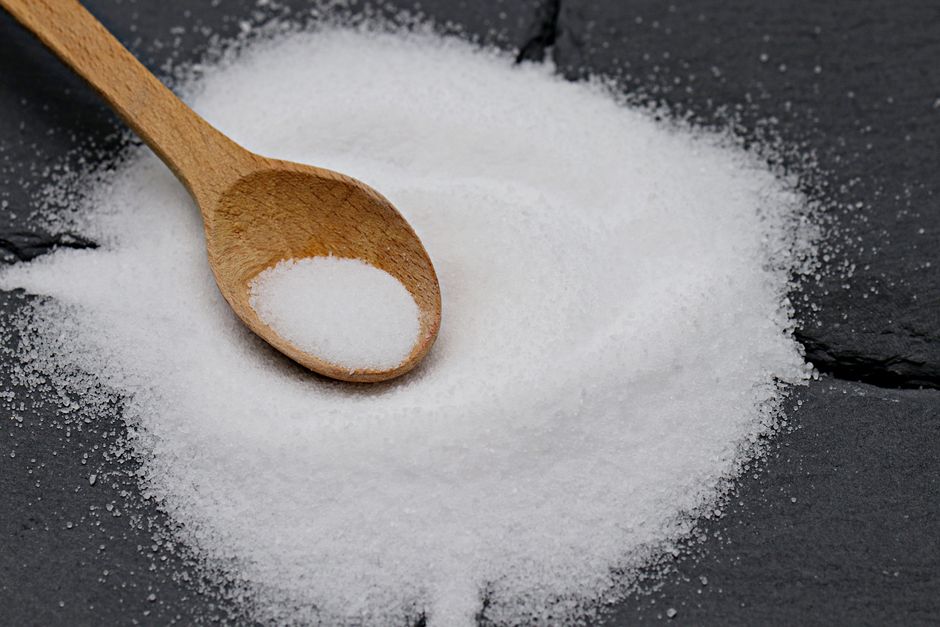
Potassium chloride is often used in food, but calling it a preservative oversimplifies what it does. In most packaged foods, potassium chloride acts as a salt substitute, not a true preservative. It provides the salty taste of sodium chloride without adding sodium. However, in some specific products, it does contribute to preservation by helping control moisture and microbial growth, though it is rarely the primary preservative.
What Is Potassium Chloride and Why Is It in Food?
Potassium chloride is a naturally occurring mineral compound. Chemically, it is a salt made of potassium and chlorine. In food, it serves several purposes depending on the product.
The main reason food manufacturers use it is to replace sodium chloride — regular table salt. Many people need to reduce sodium for blood pressure or heart health. Potassium chloride delivers a similar salty flavor with about 70 percent less sodium than table salt by weight. This makes it valuable for low-sodium versions of soups, snacks, processed meats, and seasonings.
Potassium is also an essential nutrient. The human body needs it for nerve signaling, muscle contraction, and fluid balance. Using potassium chloride in food can contribute to daily potassium intake, though it is not a primary dietary source for most people.
Is Potassium Chloride A Preservative In Food?
The short answer is: sometimes, but not usually as the main preservative. Potassium chloride can slow bacterial growth in certain foods, but it is far weaker at this job than sodium chloride or dedicated preservatives like sodium benzoate or potassium sorbate.
In processed meats and some canned products, potassium chloride helps reduce water activity. Lower water activity means less free water for microbes to use. This can extend shelf life. But in most products, potassium chloride is present for flavor and sodium reduction, not preservation.
Food labeling regulations require potassium chloride to be listed on the ingredient panel. If you see it listed near the end of the ingredient list, it is likely present in a small amount for taste. If it appears earlier, it may be playing a more functional role. Either way, it is not a replacement for actual preservatives in most foods.
How Potassium Chloride Compares to Regular Salt
Regular table salt is sodium chloride. Both compounds are salts, but they behave differently in food and in the body.
Sodium chloride is a proven preservative. It has been used for centuries to cure meats, pickle vegetables, and preserve fish. It works by drawing water out of microbial cells, which kills or stops them from multiplying. Potassium chloride does this too, but less effectively. You would need more potassium chloride to achieve the same preservation effect, and that would create an unpleasant bitter or metallic taste.
That bitter taste is the main reason potassium chloride is not used as a standalone preservative. Food scientists blend it with regular salt or other flavor enhancers to mask the bitterness. When you see “low sodium” salt in a grocery store, it is usually a blend of potassium chloride and sodium chloride.





Health Considerations of Potassium Chloride
For most healthy people, potassium chloride in food is safe. The FDA recognizes it as generally recognized as safe, or GRAS. The body regulates potassium levels tightly, and healthy kidneys excrete excess potassium in urine.
However, some people must be careful. People with chronic kidney disease may not be able to excrete potassium efficiently. High potassium levels can cause dangerous heart rhythm problems. People taking certain blood pressure medications, especially ACE inhibitors or potassium-sparing diuretics, may also be at risk.
The FDA has required a warning label on potassium-containing salt substitutes since the 1980s. This warning is for people with kidney disease and those taking medications that raise potassium levels. If you have kidney problems or take blood pressure medication, talk to your doctor before increasing your intake of potassium chloride.
For everyone else, the amount of potassium chloride used in food is generally well below levels that cause concern. A typical serving of a low-sodium product contains only a fraction of the potassium you need daily. The bigger health question is usually about sodium reduction, not potassium risk.
Foods That Commonly Contain Potassium Chloride
You will find potassium chloride in many processed foods, especially those marketed as low sodium or reduced sodium. Common examples include:
- Low-sodium soups and broths
- Reduced-sodium processed meats like bacon and deli turkey
- Salt substitutes and seasoned salt blends
- Pickles and brined vegetables
- Snack foods like chips and pretzels
- Canned vegetables and beans
- Frozen dinners and meal kits
Sports drinks and electrolyte supplements sometimes contain potassium chloride as well. In these products, it is not a preservative. It is there to replenish electrolytes lost through sweat.
Reading the ingredient label is the only reliable way to know if a product contains potassium chloride. Companies are required to list it by name.
Is It Safe to Eat Foods With Potassium Chloride Daily?
For healthy adults, yes. Eating foods with potassium chloride every day is generally safe. The FDA has set the daily value for potassium at 4,700 milligrams for adults. Most Americans fall short of this, so getting some potassium from food is usually beneficial.
The concern is not the potassium itself but the total amount. If you eat many processed foods throughout the day, you could consume more potassium than your kidneys can handle, especially if you have underlying health conditions. This is rare but possible.
A more common issue is that people assume “low sodium” means “healthy.” A low-sodium product can still be high in sugar, saturated fat, or refined carbohydrates. Potassium chloride solves the sodium problem but does not make a food nutritious overall.
If you have no kidney issues and do not take potassium-affecting medications, you do not need to avoid potassium chloride. If you are unsure about your kidney function or your medications, a simple blood test can tell you and your doctor what you need to know.
Common Misconceptions About Potassium Chloride
One misconception is that potassium chloride is a dangerous chemical additive. It is not. It is a naturally occurring mineral that your body needs. The same compound is used in medical settings to treat potassium deficiency, though at much higher doses than anything in food.
Another misconception is that potassium chloride is a hidden preservative that companies add to extend shelf life without telling you. In reality, it is on the label, and its main job is usually flavor. The foods that use it for preservation are limited, and even then, it works alongside other preservation methods like refrigeration, acidification, or other preservatives.
Some people also worry that potassium chloride tastes nothing like salt and ruins food. The truth is that food manufacturers have gotten better at blending it. Many people cannot tell the difference in finished products, especially when other flavors are present.
How to Reduce Your Intake of Potassium Chloride
If you want to avoid potassium chloride, the approach is simple: eat fewer processed foods. Potassium chloride is rarely found in whole foods like fresh vegetables, fruits, meats, or grains. It appears almost exclusively in packaged and processed products.
Cooking from scratch gives you full control over what goes into your food. If you use regular salt instead of salt substitutes, you will naturally consume less potassium chloride. This also gives you control over your total sodium intake.
For people who need to reduce sodium but want to keep using a salt substitute, the answer is not to avoid potassium chloride entirely. It is to use it in moderation and monitor your health with your doctor’s guidance. The risk of uncontrolled high blood pressure from excess sodium is often greater than the risk of potassium chloride for most people.
Frequently Asked Questions
Is potassium chloride the same as table salt?
No. Table salt is sodium chloride. Potassium chloride is a different compound with a similar salty taste but contains potassium instead of sodium.
Can potassium chloride be used to preserve food at home?
Not effectively. It is not recommended for home canning or curing because it does not preserve as reliably as regular salt and can taste bitter.
Who should avoid potassium chloride in food?
People with chronic kidney disease and those taking certain blood pressure medications should talk to their doctor first, as their bodies may not clear potassium safely.
Does potassium chloride count toward daily potassium needs?
Yes. Potassium from potassium chloride is absorbed by the body and counts toward your daily potassium intake, though food sources like fruits and vegetables remain better options.
