
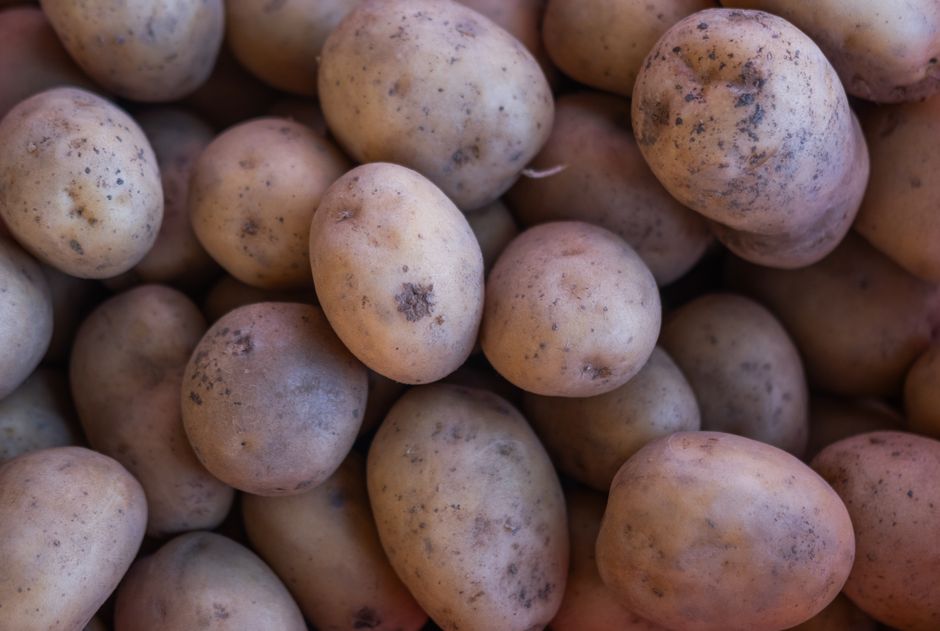
Potatoes and eggs are among the most versatile foods in the kitchen. Both can be boiled, baked, fried, scrambled, mashed, or folded into dozens of other dishes. Eggs hold their shape when cooked alone and bind other ingredients when mixed in. Potatoes work as a main dish, a side, a soup base, or a thickener. No single food wins every category, but these two come closer than almost anything else in a typical American kitchen.
Versatility is not just about how many ways you can cook something. It is about how many roles a food can play. A versatile food can stand alone as a meal, stretch into other dishes, and fit into breakfast, lunch, or dinner. By that measure, eggs and potatoes both rank near the top. So do a few other pantry staples, depending on how you define the question.
What Is The Most Versatile Food Potatoes Eggs More?
If you judge by the number of cooking methods and meal roles, eggs and potatoes sit at the top of the list. Eggs can be poached, fried, boiled, scrambled, baked, or whipped into a foam. Potatoes can be roasted, fried, boiled, mashed, grated, or turned into flour. Few foods match that range.
But versatility also depends on what you are counting. If you count how many cuisines use a food as a base, rice and wheat flour may beat both. If you count how many dishes a food can disappear into without being noticed, eggs and flour are hard to match. There is no single correct answer because “versatile” means different things to different cooks.
What makes eggs and potatoes stand out is that they work in two directions at once. They can be the star of a dish or a supporting ingredient. Eggs bind meatloaf and coat fried chicken. Potatoes thicken soups and stretch a stew. That dual role is rare.
What Makes Eggs So Versatile?
Eggs owe their range to their chemistry. The white is mostly water and protein. The yolk is mostly fat, water, and protein. That combination lets eggs do things few other single foods can do.
When heated, egg proteins unfold and link together. This is why eggs set into a solid when cooked. That same reaction lets eggs bind loose mixtures like meatballs or veggie patties. When whipped, egg whites trap air and form a foam. That foam gives structure to cakes, meringues, and soufflés.
Eggs also emulsify. The yolk contains molecules that let fat and water mix and stay mixed. This is the base of mayonnaise, hollandaise, and many salad dressings. No other common pantry food does all three jobs — binding, foaming, and emulsifying — as well as eggs do.
Beyond cooking, eggs are nutritionally dense. One large egg provides about 6 grams of protein and a range of vitamins and minerals, including vitamin B12, riboflavin, and selenium. The yolk carries most of the fat and many of the micronutrients.
What Makes Potatoes So Versatile?
Potatoes are versatile because of their neutral flavor and high starch content. That starch behaves differently depending on how you cook it. Boil a potato and the starch swells and softens. Fry it and the surface crisps while the inside stays fluffy. Chill it and some of the starch changes structure, which is why cold potato salad holds together.
That same starch makes potatoes useful as a thickener. Starchy potato varieties break down in soup and give it body. Waxy varieties hold their shape and work better in salads and gratins. Knowing which type to use matters more than most people realize.
Potatoes also carry real nutrition. A medium potato with the skin on provides potassium, vitamin C, and fiber. The fiber sits mostly in the skin. Removing the skin removes much of it. How you cook a potato changes its nutritional profile too. Frying adds a large amount of fat and calories compared with baking or boiling.



How Do Eggs and Potatoes Compare to Other Versatile Foods?
Several other foods deserve a place in the conversation. Rice, wheat flour, corn, and beans all play broad roles across many cuisines. The table below compares them on a few practical measures.
| Food | Can stand alone as a meal | Works as a binder or thickener | Common across many cuisines |
|---|---|---|---|
| Eggs | Yes | Yes | Yes |
| Potatoes | Yes | Yes | Yes |
| Rice | Yes | Sometimes | Yes |
| Wheat flour | No | Yes | Yes |
| Beans | Yes | Sometimes | Yes |
Flour is extremely versatile as an ingredient, but you would not serve a bowl of flour for dinner. Eggs and potatoes can be the whole meal. That is what separates them from ingredients that only work in combination with others.
Are Eggs and Potatoes Healthy to Eat Often?
Both foods can be part of a healthy diet, but how you prepare them matters a great deal. Boiled, baked, or poached eggs add protein and nutrients without added fat. Fried eggs cooked in butter or oil add fat and calories. The egg itself is not the issue — the cooking method is.
The same is true for potatoes. A baked potato with the skin is a good source of potassium and fiber. Deep-fried potatoes, like most french fries and chips, add a large amount of fat and sodium. Research consistently links heavily fried potato intake to poorer health outcomes, though the reasons involve the frying oil and preparation, not the potato alone.
For most healthy adults, eggs can be eaten regularly as part of a balanced diet. Dietary guidance in the United States no longer sets a strict daily limit on dietary cholesterol for the general population, though people with certain health conditions may still be advised to watch their intake. Anyone with heart disease, diabetes, or high cholesterol should talk with a clinician about what fits their situation.
Which Is More Versatile, Eggs or Potatoes?
Eggs edge out potatoes in one key way: they can transform other ingredients. A potato adds bulk, flavor, and texture. An egg can hold a mixture together, give it structure, or turn it into something entirely new. That makes eggs more of an ingredient and less of a standalone food.
Potatoes win in another way. They are more filling on their own and more adaptable to large meals. A potato can be the center of a dinner plate. An egg rarely is, except at breakfast.
So the honest answer is that it depends on what you value. If you want a food that can do the most different jobs in cooking, eggs have a slight edge. If you want a food that can anchor the most meals, potatoes hold their own. Both belong in a well-stocked kitchen for good reason.
How Should You Store Eggs and Potatoes?
Eggs should be refrigerated in the United States. Commercial eggs are washed before sale, which removes a natural protective coating on the shell. That washing is why US eggs need cold storage, unlike eggs sold in some other countries. Store them in their carton, not in the door, where temperature fluctuates most.
Potatoes should be kept in a cool, dark, dry place. Do not refrigerate them. Cold temperatures convert potato starch to sugar, which changes flavor and can lead to darker spots when fried. Do not store potatoes and onions together either. Onions release gases that speed up sprouting in potatoes.
Green patches on a potato mean it has been exposed to light and has produced a compound called solanine. Small green areas can be cut away. A potato that is heavily green or sprouting should be thrown out. Solanine can cause digestive upset when eaten in large amounts.
Can You Substitute Eggs and Potatoes in Recipes?
Eggs are harder to replace than most people expect. In baking, eggs add moisture, structure, and lift. Common substitutes like mashed banana, applesauce, or flax mixed with water can work in some recipes but change texture and flavor. They do not replicate the foaming or emulsifying power of eggs.
Potatoes are easier to swap. In soups, you can replace them with other starchy vegetables like parsnips or sweet potatoes. In a hash, almost any root vegetable works. What you lose is the specific texture and mild flavor that potatoes bring.
No single substitute matches either food across every use. That is exactly what makes them versatile. A food that is easy to replace is, by definition, not doing anything unique.
Frequently Asked Questions
Are eggs or potatoes more versatile?
Eggs are slightly more versatile because they can bind, thicken, foam, and emulsify in addition to being cooked alone. Potatoes are more versatile as a standalone meal.
Can you eat eggs and potatoes every day?
For most healthy adults, yes, as long as they are prepared in ways that limit added fat and sodium. People with certain health conditions should check with a clinician first.
Why do US eggs need refrigeration but potatoes do not?
US eggs are washed before sale, which removes a protective coating and makes refrigeration necessary. Potatoes keep best in a cool, dark, dry place and should not be refrigerated.
What is the single most versatile food overall?
There is no single correct answer because versatility depends on what you are measuring. Eggs, potatoes, rice, and wheat flour all rank near the top by different standards.
