
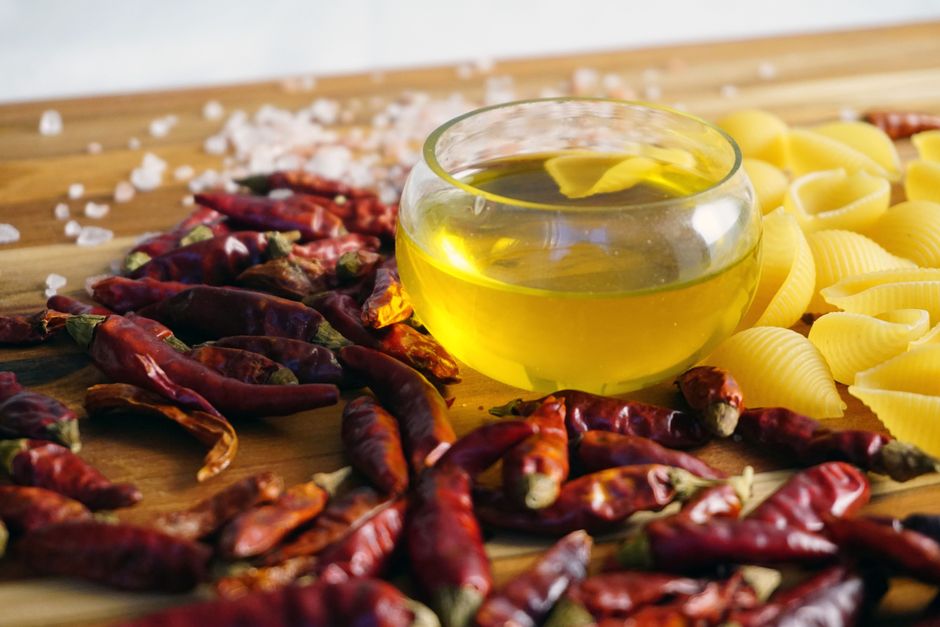
A sudden craving for spicy food is common, and it often means your body is asking for more than just heat. The urge typically signals a desire for the endorphin rush that capsaicin triggers, or a need for more flavor and sensory satisfaction in your meal. The best foods to eat when this craving hits are those that provide that satisfying heat while also nourishing your body, such as chili peppers, spicy soups, or dishes with ginger and garlic.
Why Do You Crave Spicy Food in the First Place?
Cravings for spicy food are not usually a sign of a nutrient deficiency. The primary driver is neurological. Capsaicin, the compound that makes chili peppers hot, binds to pain receptors on your tongue. This sends a signal to your brain that mimics heat or pain.
In response, your brain releases endorphins and dopamine. These are the body’s natural painkillers and feel-good chemicals. This release creates a mild euphoria, similar to a “runner’s high.” If you crave that feeling, you will likely crave spicy food to get it.
Some research also suggests that eating hot foods may slightly increase your metabolic rate temporarily. This effect is small, but for some people, the association between spicy food and feeling energized can reinforce the craving. It is a learned behavior as much as a biological one.
What To Eat When Craving Spicy Food And Why
When the craving hits, the goal is to satisfy the urge without derailing your nutrition. The best approach is to pair the heat with whole, nutrient-dense foods. This turns a simple craving into a balanced meal.
Here are the most effective foods to choose:
- Chili peppers (fresh or dried): These provide the actual capsaicin that satisfies the craving. They are also high in vitamin C and antioxidants.
- Spicy broth-based soups: Soups like Tom Yum or spicy chicken soup offer hydration and protein. The liquid helps distribute the heat evenly, which can be more satisfying than a dry spice rub.
- Ginger and garlic: These provide a different kind of “heat” that is less intense than capsaicin. They are excellent if you want the warming sensation without the intense burn. Both have anti-inflammatory properties.
- Whole grains with hot sauce: Brown rice or quinoa with a quality hot sauce gives you fiber and complex carbohydrates. The carbs help stabilize blood sugar, which can reduce the intensity of future cravings.
- Legumes and beans: Chili with beans or spicy lentil curry is filling and high in protein and fiber. This combination promotes satiety, meaning you feel full longer and are less likely to overeat.
Choosing these options matters because a craving for spicy food often leads people to processed snacks. Spicy chips or instant noodles are high in sodium and unhealthy fats. They provide the heat but lack the nutritional value your body needs to function well.
Is a Spicy Food Craving a Sign of a Deficiency?
There is no strong clinical evidence that a craving for spicy food indicates a specific vitamin or mineral deficiency. Unlike pica, which can be linked to iron deficiency, spicy food cravings are not tied to a known nutritional gap.
However, some experts suggest that craving spicy food might be a sign of a sluggish digestive system. The heat stimulates saliva production and gastric juices, which can aid digestion. If you frequently feel bloated or slow after meals, a craving for spice might be your body’s way of asking for digestive stimulation.
It is also possible that the craving is simply a habit. If you regularly eat spicy food, your brain associates it with pleasure. The craving becomes a conditioned response to stress, boredom, or even just the time of day. In this case, the craving is behavioral rather than physiological.





How to Satisfy the Craving Without Overdoing It
Eating very high levels of capsaicin can cause stomach pain, heartburn, or digestive distress. The key is to satisfy the craving with a moderate amount of heat that your body tolerates well.
Start with a small amount of spice and add more if needed. This is better than loading your plate with a heavy dose of hot sauce and risking an upset stomach. You can always add heat, but you cannot remove it once it is in the dish.
Pairing spicy food with dairy is a practical strategy. Dairy contains casein, a protein that helps break the bond between capsaicin and your pain receptors. A spoonful of yogurt, a glass of milk, or a dollop of sour cream can quickly reduce the burning sensation if you overdo it.
Drinking water while eating spicy food is less effective than dairy. Water spreads the capsaicin around your mouth, which can make the burning feel more intense. If you need relief, choose milk or a milk-based product instead.
Healthy Swaps for Common Spicy Cravings
If you usually reach for processed spicy snacks, consider these swaps. They deliver the same heat and satisfaction with better nutritional value.
| Craving | Better Swap | Why It Works |
|---|---|---|
| Spicy chips | Roasted chickpeas with chili powder | Provides protein and fiber instead of refined carbs and unhealthy oils. |
| Instant spicy noodles | Zucchini noodles with spicy peanut sauce | Lower in sodium and calories while still delivering a creamy, spicy flavor. |
| Spicy cheese puffs | Popcorn with cayenne and nutritional yeast | Whole-grain popcorn is high in fiber, and nutritional yeast adds B vitamins. |
| Hot wings | Baked chicken wings with hot sauce | Baking avoids the extra fat from deep frying while keeping the spicy flavor. |
These swaps are not about deprivation. They are about getting the same sensory experience you want while giving your body better fuel. The heat is still there. The flavor is still bold. The difference is in the quality of the ingredients.
When a Spicy Food Craving Might Be a Warning Sign
In rare cases, a sudden and intense craving for spicy food could be related to an underlying condition. This is not common, but it is worth being aware of.
Some research suggests that changes in taste and appetite can occur with hormonal fluctuations. This is particularly relevant during pregnancy, where cravings for spicy foods are frequently reported. These cravings are generally harmless, but they can worsen heartburn, which is already common during pregnancy.
If you experience a sudden change in cravings alongside other symptoms like unexplained weight loss, fatigue, or persistent digestive pain, you should speak with a healthcare provider. A sudden shift in appetite can sometimes indicate a metabolic or gastrointestinal issue that needs evaluation.
For most people, however, a craving for spicy food is a normal, manageable part of life. It is a sign that your brain is seeking pleasure and sensory stimulation, not a red flag for a health problem.
Does Eating Spicy Food Have Long-Term Benefits?
Regular consumption of spicy food has been studied for its potential health effects. The evidence is promising, but it is important not to overstate what is known.
Some observational studies have found that people who eat spicy food regularly tend to have lower rates of certain chronic diseases. These studies are not proof of cause and effect, but the association is consistent enough to warrant attention.
Capsaicin has also been studied for its potential role in pain management. Topical capsaicin creams are used clinically for conditions like arthritis and neuropathic pain. This is different from eating spicy food, but it shows that the compound has measurable biological effects beyond just flavor.
The practical takeaway is that including moderate amounts of spicy food in your diet is generally safe for most healthy adults. It can make healthy foods like vegetables and legumes more appealing, which is a clear benefit. There is no strong evidence that you need to avoid spicy food unless you have a specific condition like severe acid reflux or gastritis.
Frequently Asked Questions
Why do I crave spicy food when I am stressed?
Stress triggers a desire for sensory stimulation, and the endorphin release from capsaicin can temporarily improve your mood.
Is it bad to eat spicy food every day?
For most healthy adults, daily spicy food consumption is safe, but it can cause heartburn or stomach discomfort in sensitive individuals.
What stops the burning sensation from spicy food fast?
Dairy products like milk or yogurt are the most effective because casein helps wash away capsaicin from your pain receptors.
Can drinking water make spicy food worse?
Yes, water can spread capsaicin around your mouth and intensify the burning sensation instead of relieving it.
