
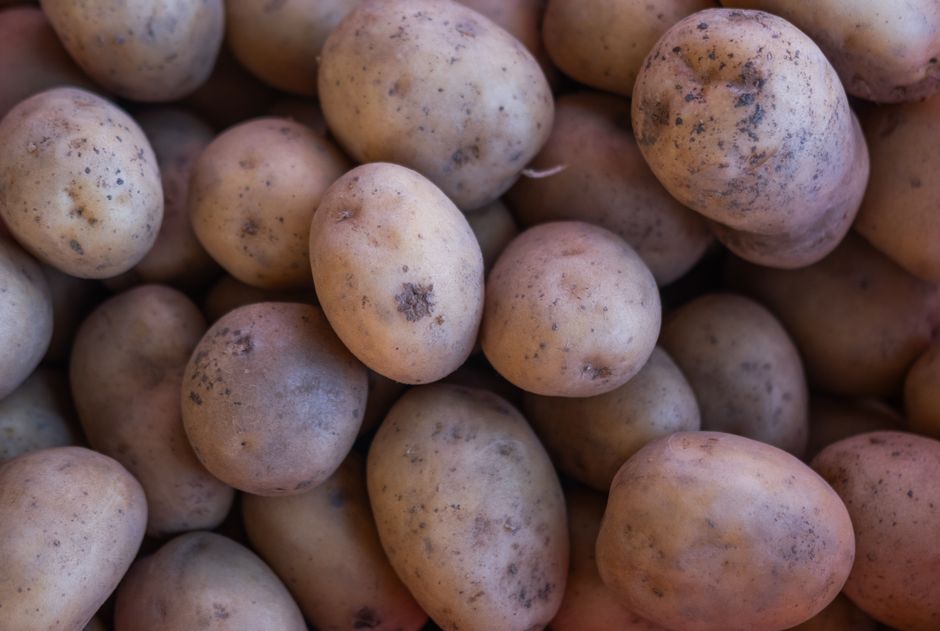
Yes, you can eat potatoes on a diet. Potatoes are not the enemy of weight loss, despite their reputation. The truth is that how you prepare them and what you eat them with matters far more than the potato itself. A plain boiled or baked potato is surprisingly filling and relatively low in calories, which makes it a legitimate part of a healthy eating plan.
Why Do Potatoes Have A Bad Reputation?
Potatoes often get blamed for weight gain because of how they are usually served. French fries, loaded baked potatoes, and mashed potatoes with butter and cream are high in calories and fat. The potato is the vehicle, but the added ingredients are the problem.
Another reason is the glycemic index. Potatoes are a starchy vegetable, and they break down into sugar quickly in your body. This rapid rise in blood sugar can lead to a crash later, which may trigger hunger. However, this effect depends heavily on the type of potato and the cooking method.
The potato itself is not inherently fattening. A medium potato has about 150 calories, almost no fat, and a good amount of potassium and vitamin C. The issue is portion size and preparation, not the vegetable itself.
How Potatoes Actually Help With Satiety
Potatoes are one of the most filling foods you can eat. Researchers have studied this directly. In a well-known ranking of foods by their ability to satisfy hunger, boiled potatoes scored higher than almost any other food tested. They beat rice, pasta, and even whole grain bread.
Why do they fill you up so well? Potatoes contain a type of starch that resists digestion. This resistant starch travels to your large intestine and feeds the good bacteria there. It also helps you feel full for longer after a meal.
That fullness matters for weight loss. If you feel satisfied after a meal, you are less likely to snack later. Eating a moderate portion of potato with a meal can help you control your overall calorie intake for the day without feeling deprived.
The Best Ways To Cook Potatoes For Weight Loss
Cooking method changes everything. Boiling or baking a potato keeps the calorie count low and preserves the natural nutrients. Frying adds significant calories and fat. A serving of french fries can have three times the calories of a boiled potato of the same size.
Another useful trick is to cool your potatoes after cooking. When a cooked potato cools in the refrigerator, some of its starch converts to resistant starch. This means reheating a boiled or roasted potato the next day makes it slightly better for blood sugar control than eating it fresh.
Here are the best preparation methods for a diet:
- Boiled potatoes with a little salt and pepper
- Baked potatoes with plain Greek yogurt instead of sour cream
- Roasted potatoes with a small amount of olive oil and herbs
- Mashed potatoes made with low-fat milk instead of cream and butter
These methods keep the potato filling without loading it with extra calories. The key is to avoid deep frying and heavy toppings.





How Much Potato Can You Eat On A Diet?
Portion control is the real answer. A reasonable serving is about one medium potato, which is roughly the size of your fist. This gives you around 150 calories before you add any toppings.
You can fit this into most weight loss plans. The USDA considers a medium potato to be one serving of starchy vegetables. For most adults, eating one serving of starchy vegetables per day is within normal dietary guidance.
If you are following a specific low-carb diet, you may need to limit potatoes more strictly. A medium potato contains about 26 grams of carbohydrates. That may be too much for a strict ketogenic diet, but it is perfectly fine for a balanced, calorie-controlled eating plan.
The bigger issue is what you put on the potato. Butter, cheese, bacon bits, and sour cream can add 200 to 400 calories to a single potato. Swapping these for herbs, spices, or a small amount of cheese keeps the meal diet-friendly.
Blood Sugar And Insulin Response
Potatoes do raise blood sugar. This is a real concern for people with diabetes or prediabetes. The speed of this rise depends on the variety and cooking method.
Boiled potatoes have a lower glycemic response than baked potatoes. New potatoes tend to have a gentler effect than older, larger varieties. Eating potatoes with protein and vegetables also slows down digestion and blunts the blood sugar spike.
If you are managing blood sugar, you do not need to avoid potatoes entirely. You do need to be mindful. Pair a small portion of potato with a source of protein like chicken or fish, and add plenty of non-starchy vegetables to the plate.
The resistant starch formed when potatoes are cooled also helps. Cold potato salad made with a light vinaigrette is a better choice for blood sugar control than a hot baked potato.
Potato Vs Other Carb Sources
Comparing potatoes to other common carbohydrates can help you decide how they fit into your diet. Here is a simple comparison of a medium potato to other standard servings.
| Food | Calories | Carbohydrates | Fiber |
|---|---|---|---|
| Medium potato (boiled) | 150 | 26 g | 2 g |
| 1 cup cooked white rice | 205 | 45 g | 0.6 g |
| 1 cup cooked pasta | 220 | 43 g | 2.5 g |
| 1 slice whole wheat bread | 80 | 14 g | 2 g |
Potatoes are not the highest-calorie or highest-carb option on the table. They actually contain more potassium than a banana and provide vitamin C, which rice and pasta do not offer. They are not nutritionally empty, despite what some diet trends suggest.
Can You Eat Potatoes On A Diet Yes Heres How
The practical answer is simple. Eat potatoes in moderation, cook them without excess fat, and keep your toppings light. A boiled or baked potato with a protein source and vegetables is a balanced meal that can support weight loss.
What you should not do is treat potatoes as a free food. Eating a large portion of fries or a loaded baked potato every day will work against your goals. The same is true for any food eaten in excess.
Some research suggests that including potatoes in a weight loss diet does not harm results. Studies comparing diets with and without potatoes have found no meaningful difference in weight loss when total calories are controlled. The potato is not the problem. The total diet is.
One practical tip is to keep the skin on. The skin contains most of the fiber and several micronutrients. Peeling removes a good portion of the nutritional value. A potato with skin is more filling than the same potato peeled.
Common Myths About Potatoes And Weight
One common myth is that potatoes cause fat storage because they are high on the glycemic index. This oversimplifies how the body works. The glycemic index measures one food in isolation, but people rarely eat a single food alone. A meal with protein, fat, and fiber changes the overall glycemic response.
Another myth is that white vegetables have no nutritional value. This is false. White potatoes provide potassium, vitamin C, and vitamin B6. They are not empty calories.
A third myth is that you must eliminate potatoes to lose weight. No food needs to be completely eliminated for weight loss unless you have a specific medical condition or allergy. Sustainable weight loss comes from overall calorie balance and consistent habits, not from banning individual foods.
Practical Meal Ideas With Potatoes
You do not need elaborate recipes to make potatoes work in a diet. Keep it simple and let the potato do the work of filling you up.
A basic meal could be a baked potato topped with canned tuna and a squeeze of lemon. This gives you protein, healthy carbohydrates, and very little fat. Another option is a boiled potato chopped into a salad with chicken breast and leafy greens.
Roasted potato wedges made with a teaspoon of olive oil and paprika make a good side dish for grilled fish. The key is to measure the oil rather than pouring it freely. One tablespoon of olive oil contains about 120 calories, so it adds up quickly.
For breakfast, a small portion of leftover boiled potatoes can be pan-fried in a non-stick pan with no oil and served with eggs. This gives you a satisfying meal that keeps hunger away until lunch.
Frequently Asked Questions
Are potatoes fattening if eaten every day?
No, not if your total calorie intake stays within your target. A daily medium potato fits into most weight loss plans when prepared without added fat.
Is it better to eat potatoes cold or hot for weight loss?
Cold potatoes have more resistant starch, which may improve blood sugar response and fullness. Reheating them after cooling keeps most of this benefit.
Can I eat potatoes on a low-carb diet?
Strict low-carb diets like keto usually do not allow potatoes because one medium potato has about 26 grams of carbohydrates. More moderate low-carb plans may allow a small portion.
Are sweet potatoes better than regular potatoes for dieting?
Sweet potatoes have slightly more fiber and vitamin A, but the calorie difference is minimal. Both can fit into a weight loss diet when portioned correctly.
