
Sodium is a mineral that your body needs to function. It helps control blood pressure, keeps your nerves working, and helps your muscles contract. But most people eat far more sodium than they need, mostly from salt added to processed and restaurant foods. The big question is not whether you need sodium — you do — but how much is too much for your health.
For most healthy adults, the recommended limit is less than 2,300 milligrams of sodium per day. That is about one teaspoon of table salt. Yet the average American consumes closer to 3,400 milligrams daily. Consistently exceeding that limit raises blood pressure, which increases the risk of heart disease, stroke, and kidney damage over time.
What Is Sodium In Food And How Much Is Too Much?
Sodium is a naturally occurring mineral found in almost everything we eat in small amounts. The problem is not the sodium that occurs naturally in whole foods like vegetables, dairy, or meat. The problem is the sodium added during food processing, cooking, and at the table.
Table salt is about 40 percent sodium. The other 60 percent is chloride. When you read a nutrition label and see 1,000 milligrams of sodium, that corresponds to roughly 2.5 grams of salt. This distinction matters because people often confuse “salt” with “sodium,” and the two terms are not interchangeable.
The 2,300 milligram limit applies to most adults. However, certain groups have a stricter target. People with high blood pressure, diabetes, chronic kidney disease, or those over 51 years old are often advised to stay under 1,500 milligrams per day. If you have a medical condition, your doctor may recommend a different target based on your specific situation.
Where Does Most Dietary Sodium Actually Come From?
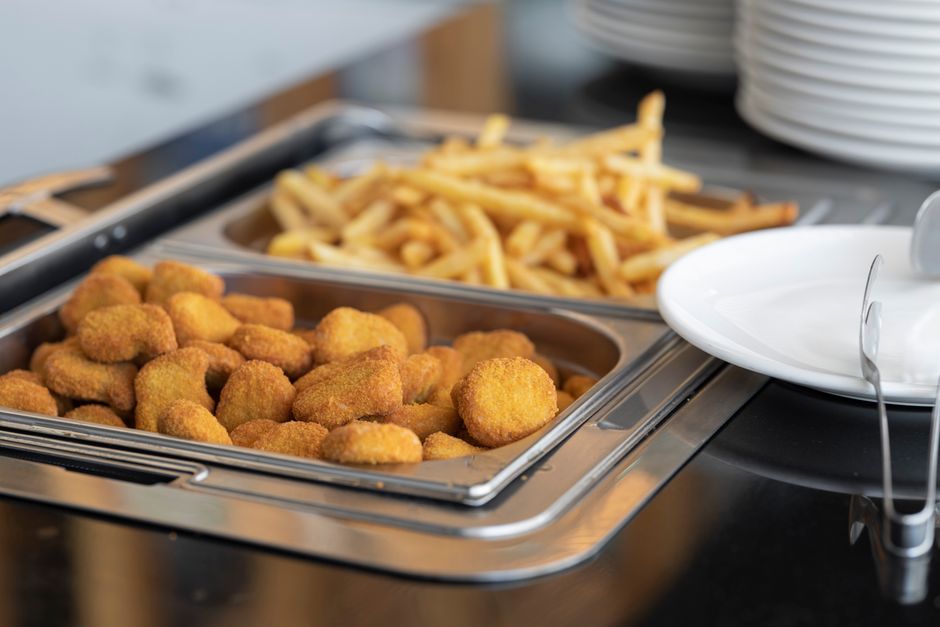
Most people assume they control their sodium intake by not using the salt shaker. The evidence says otherwise. Roughly 70 percent of the sodium in the typical American diet comes from processed and restaurant foods, not from salt added at home.
Common high-sodium foods include bread and rolls, pizza, sandwiches, cold cuts and cured meats, soups, burritos and tacos, savory snacks like chips and pretzels, chicken dishes, and pasta dishes. Even foods that do not taste salty can contain significant sodium. A slice of bread typically contains 150 to 200 milligrams. A fast-food burger can easily exceed 1,000 milligrams before you add fries.
Restaurant food is a major contributor because chefs use salt generously for flavor. A single restaurant meal can contain more sodium than the entire daily recommended limit. This makes it difficult to control intake if you eat out frequently, even when you choose options that seem healthy like salads or grilled chicken, which are often seasoned heavily.
How Does Excess Sodium Affect Your Body?
When you consume more sodium than your kidneys can excrete, your body holds onto water to dilute the sodium in your bloodstream. This increases the total volume of blood in your circulatory system. Your heart has to work harder to pump that extra volume, and the pressure against your artery walls goes up.
This is the mechanism behind high blood pressure, also called hypertension. Over time, elevated blood pressure damages the inner lining of arteries. This damage promotes the buildup of plaque, which narrows arteries and restricts blood flow. That process increases the risk of heart attack, stroke, and peripheral artery disease.
The kidneys also suffer. They are responsible for filtering excess sodium out of the body. Chronic high sodium intake forces the kidneys to work harder, which can accelerate the decline in kidney function for people with existing kidney disease. For people with healthy kidneys, the organ usually adapts, but the long-term strain on blood pressure still affects kidney health indirectly.
There is also emerging evidence linking high sodium intake to stomach cancer and osteoporosis, though the research is less definitive than the blood pressure data. Some studies suggest high salt intake damages the stomach lining and increases the risk of Helicobacter pylori infection, a known risk factor for stomach cancer. The evidence is suggestive but not conclusive.




How To Read Nutrition Labels For Sodium
Reading a nutrition label for sodium is straightforward once you know what to look for. The label lists sodium in milligrams under the “Nutrition Facts” heading. The Percent Daily Value (%DV) is based on the 2,300 milligram limit.
A food with 5 percent DV or less for sodium is considered low. A food with 20 percent DV or more is considered high. This is a quick way to compare products without doing mental math.
One common mistake is ignoring serving size. A bag of chips might list 150 milligrams of sodium per serving, but if the bag contains three servings, you are actually consuming 450 milligrams if you eat the whole bag. Always check the serving size first, then multiply the sodium per serving by the number of servings you actually eat.
Another label trick involves words like “reduced sodium” or “light in sodium.” These terms compare the product to the original version, not to a low-sodium standard. A “reduced sodium” soup might still contain 600 milligrams per serving. It is lower than the original, but not necessarily low in absolute terms.
Practical Ways To Cut Back On Sodium
Reducing sodium does not require a bland diet. It requires shifting where your food comes from and how it is prepared.
Cooking at home more often is the single most effective strategy. When you prepare food yourself, you control the salt. You can use herbs, spices, citrus, vinegar, and garlic to add flavor without relying on salt. This does not mean eliminating salt entirely — it means using it deliberately rather than automatically.
When buying packaged foods, compare brands. Tomato sauce, canned beans, broths, and salad dressings vary widely in sodium content. Choosing the lower-sodium version of a staple food you eat regularly can reduce your daily intake by hundreds of milligrams without changing what you eat.
Rinsing canned beans and vegetables can remove a meaningful portion of the added sodium. One study found that draining and rinsing canned beans reduced sodium by about 40 percent. This is a simple, effective step that requires no special effort.
When eating out, ask for sauces and dressings on the side. Request that your meal be prepared without added salt. These requests are common and most restaurants can accommodate them. You can also split a meal or take half home, since restaurant portions often contain more than a full day’s worth of sodium.
Who Needs To Be Most Careful About Sodium?
People with high blood pressure are the most obvious group that needs to limit sodium. The link between sodium and blood pressure is one of the most consistent findings in nutrition research. Reducing sodium lowers blood pressure in most people with hypertension, though the magnitude of the effect varies from person to person.
People over 51 years old are more sensitive to sodium’s blood pressure effects. As we age, our kidneys become less efficient at excreting sodium, so the same intake produces a larger blood pressure response. The stricter 1,500 milligram target for this group reflects this increased sensitivity.
People with diabetes and chronic kidney disease also need to be careful. Both conditions increase the risk of cardiovascular disease, and excess sodium amplifies that risk. For people with advanced kidney disease, the kidneys may not be able to excrete sodium effectively at all, leading to fluid retention and swelling.
African Americans also tend to be more salt-sensitive than other groups. Studies consistently show that reducing sodium produces a larger blood pressure drop in this population. If you fall into this category, you may benefit from being especially vigilant about sodium intake even if your blood pressure is currently normal.
Is Sea Salt Or Pink Salt Healthier Than Table Salt?
No. Sea salt, Himalayan pink salt, and other gourmet salts are not meaningfully healthier than regular table salt. They all contain roughly the same amount of sodium by weight — about 40 percent.
The trace minerals in pink salt and sea salt, such as magnesium, potassium, and calcium, are present in such tiny amounts that they have no measurable health effect. You would need to consume dangerous amounts of salt to get a meaningful dose of these minerals from salt alone.
The main difference between these salts is taste, texture, and price. Some people prefer the flavor of sea salt because it contains trace minerals that slightly alter the taste. But from a sodium and blood pressure perspective, they are equivalent. Swapping table salt for pink salt will not reduce your sodium intake or improve your health.
One genuine difference: iodized table salt contains added iodine, which is essential for thyroid function. Sea salt and pink salt generally do not contain added iodine. For most people, iodine comes from other dietary sources like dairy, seafood, and eggs, so this is rarely a concern. But it is a real nutritional difference worth knowing.
Can You Be Too Low In Sodium?
Yes, but it is rare. Hyponatremia, or low blood sodium, occurs when sodium levels in the blood drop too low. This can happen from drinking excessive water, taking certain medications, or having medical conditions that cause fluid retention.
For most healthy people, it is very difficult to consume too little sodium. The body is efficient at conserving sodium when intake is low. The kidneys reduce sodium excretion, and the body adjusts hormone levels to maintain balance.
Athletes who exercise for long periods in hot conditions, especially endurance athletes, can lose significant sodium through sweat. Drinking large amounts of plain water without replacing sodium can dilute blood sodium levels. This is why sports drinks contain electrolytes, including sodium.
People on very restrictive diets, such as a raw food diet or certain elimination diets, could theoretically consume too little sodium. But this is uncommon. For the general population, the public health problem is too much sodium, not too little.
Frequently Asked Questions
What is the daily recommended limit for sodium?
Most healthy adults should stay under 2,300 milligrams of sodium per day, which is about one teaspoon of salt. People with high blood pressure, diabetes, kidney disease, or those over 51 may be advised to stay under 1,500 milligrams.
How much sodium is in a teaspoon of salt?
One teaspoon of table salt contains about 2,300 milligrams of sodium. This is the entire daily recommended limit for most adults in a single teaspoon.
Is sea salt better for you than table salt?
No. Sea salt and table salt contain roughly the same amount of sodium by weight. The trace minerals in sea salt are present in amounts too small to have any meaningful health effect.
Can eating too little sodium be dangerous?
Yes, but it is rare. Low blood sodium, called hyponatremia, can occur from drinking excessive water or certain medical conditions. Most healthy people do not need to worry about consuming too little sodium.
