
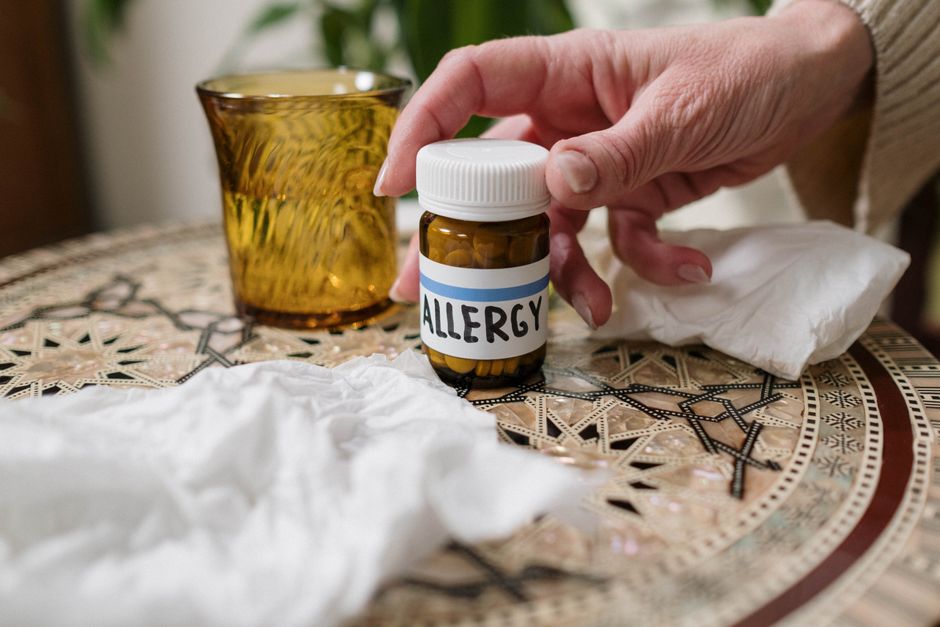
The most dangerous allergy is not the most common one. It is an allergy to a substance that can reach the bloodstream quickly, trigger a body-wide reaction, and close the airway within minutes. Food allergies, especially to peanuts, tree nuts, and shellfish, cause the most life-threatening reactions. Drug allergies and insect sting allergies are close behind.
The danger comes down to two things: how fast the reaction hits and whether it affects breathing or blood pressure. An allergy that causes a rash is uncomfortable. An allergy that causes anaphylaxis can kill. That distinction matters more than how many people have the allergy.
What Is The Most Dangerous Allergy To Have?
The most dangerous allergy to have is one that can cause anaphylaxis — a severe, whole-body allergic reaction that can shut down breathing and blood pressure. Food allergies lead the list because they are common, hard to avoid completely, and often triggered by tiny amounts.
Anaphylaxis is the medical term for the reaction that makes this dangerous. It involves more than one body system at once. The airways can swell. Blood pressure can drop. The skin, gut, and heart can all react together. Without treatment, it can be fatal.
Foods cause most anaphylaxis cases seen in emergency rooms. Peanuts, tree nuts, shellfish, fish, milk, eggs, wheat, soy, and sesame are the foods most often tied to severe reactions. In the United States, peanuts and tree nuts are among the most frequent triggers of fatal food reactions.
But “most dangerous” is not only about food. A severe allergy to a medication like penicillin, or to insect venom from a bee or wasp sting, can also cause anaphylaxis. What these share is the ability to set off a fast, body-wide reaction.
Why Do Some Allergies Cause Anaphylaxis?
Anaphylaxis happens when the immune system releases a flood of chemical signals, mainly histamine, all at once. This is a well-understood mechanism. The reaction is not a sign of a “weak” immune system. It is an overreactive one.
During a first exposure, the immune system can mistakenly tag a harmless substance as a threat. It makes a type of antibody called IgE against that substance. The antibodies attach to specialized cells in the skin, gut, and airways.
On a later exposure, the substance binds to those antibodies and triggers the cells to dump histamine and other mediators. Blood vessels widen and leak fluid, which drops blood pressure. Smooth muscle in the airways tightens. Swelling builds in the throat and tongue. This can happen within minutes.
Not everyone with an allergy makes the kind of IgE that leads to anaphylaxis. Many people with a food allergy get hives or stomach upset but never a severe reaction. Doctors cannot always predict who will progress to anaphylaxis and who will not. That uncertainty is part of what makes these allergies serious.
Which Foods Are Most Likely To Cause a Fatal Reaction?
Peanuts, tree nuts, and shellfish are the foods most often linked to severe and fatal reactions. This is based on data from emergency departments and allergy registries, and it has been consistent for years.
The reasons are partly practical. These foods are common. They hide in unexpected products. And reactions can be triggered by very small amounts. Peanut and tree nut allergies also tend to be lifelong for many people, while some childhood allergies, like milk and egg, are often outgrown.
That last point is worth knowing. Many children outgrow milk and egg allergies, so those are less often lifelong dangers. Peanut, tree nut, and shellfish allergies are more likely to persist into adulthood. Persistence means more years of exposure risk.
Severity can also vary from person to person and even from reaction to reaction. A person who had only hives once can still have a severe reaction later. Past reactions do not reliably predict future ones.




How Dangerous Are Drug and Insect Sting Allergies?
Drug allergies and insect sting allergies can be just as life-threatening as food allergies. They are less common as a cause of anaphylaxis than food, but the reaction itself can be just as severe.
Penicillin and other antibiotics are among the most common drug allergy triggers. So are some pain relievers and medications used in surgery. A drug reaction can start within minutes of a dose. Because medications are given in controlled settings, medical staff can often respond quickly — but reactions still happen at home with pills.
Insect stings from bees, wasps, hornets, and yellow jackets can cause anaphylaxis in allergic people. Stings are unpredictable and can happen anywhere. For people with a known sting allergy, this unpredictability is a real risk.
Both drug and sting allergies share the same core danger as food: a fast, body-wide reaction that can compromise breathing and blood pressure. The trigger differs. The threat to the body is the same.
What Are the Warning Signs of a Severe Reaction?
Anaphylaxis warning signs often involve more than one part of the body at once. That multi-system pattern is the key signal. A single symptom like hives alone is less concerning than hives plus trouble breathing.
Watch for these signs, especially if they appear within minutes to a couple of hours after exposure:
- Swelling of the lips, tongue, throat, or face
- Trouble breathing, wheezing, or a tight feeling in the throat
- Hives, flushing, or itching, often over much of the body
- A sudden drop in blood pressure, which can cause dizziness, fainting, or collapse
- Vomiting, stomach cramps, or diarrhea
- A sense of doom or feeling that something is very wrong
Anaphylaxis is a medical emergency. The standard emergency treatment is epinephrine, given by auto-injector into the outer thigh as soon as a severe reaction is suspected. Calling emergency services right away is essential. Antihistamines do not treat the dangerous parts of anaphylaxis, such as airway swelling or low blood pressure. They are not a substitute for epinephrine.
People with a known risk are usually prescribed an epinephrine auto-injector and trained to use it. If you or someone near you has these symptoms, use the injector and call for help. Do not wait to see if it gets better.
Can You Reduce the Risk of a Dangerous Reaction?
You cannot reliably make a dangerous allergy disappear, but you can lower the odds of a severe reaction. Avoidance, preparation, and fast action are the core of managing any high-risk allergy.
Avoidance means reading food labels carefully, asking about ingredients when eating out, and knowing where hidden allergens turn up. For drug allergies, it means telling every doctor and pharmacist about the allergy and wearing medical identification. For sting allergies, it means being cautious outdoors and knowing your triggers.
Preparation means carrying epinephrine if prescribed, knowing how to use it, and having a written action plan. Some clinicians recommend allergy testing to confirm what you are actually allergic to, since self-diagnosis is often wrong. A confirmed diagnosis helps you avoid the right things and avoid unnecessary worry about the wrong ones.
There is active research into treatments that reduce sensitivity to allergens over time, including for food allergies. Some approaches have shown promise in clinical trials. But these are not cures, they do not work for everyone, and they must be managed by specialists. No treatment currently makes a dangerous allergy safe to ignore.
One point worth stating plainly: the severity of an allergy is not fixed by how the last reaction looked. Someone who had a mild reaction before can still have a severe one. That is why carrying epinephrine and having a plan matter even for people who think their allergy is “not that bad.”
Why “Most Dangerous” Depends on the Person
The most dangerous allergy for any one person is the one most likely to reach them and trigger a severe reaction. Context changes the answer. A beekeeper faces a different risk than a person with a peanut allergy.
Asthma is a major factor. People with asthma who also have a food allergy tend to have more severe reactions. Poorly controlled asthma can make a breathing emergency worse. This is one reason doctors take the combination seriously.
Access to epinephrine and quick emergency care also shapes outcomes. A severe reaction in a well-prepared setting is often survivable. The same reaction far from help is far more dangerous. So the “most dangerous” allergy is partly about the substance and partly about the situation.
What ties it all together is anaphylaxis. Any allergy capable of causing it deserves real respect, a plan, and a prescription for epinephrine when appropriate. That is the honest bottom line.
Frequently Asked Questions
What is the most dangerous allergy to have?
An allergy that can cause anaphylaxis is the most dangerous, and food allergies — especially to peanuts, tree nuts, and shellfish — cause the most life-threatening reactions. Drug and insect sting allergies can also be fatal.
Is a peanut allergy more dangerous than a bee sting allergy?
Neither is inherently more dangerous; both can cause fatal anaphylaxis. Peanut allergy is more common as a cause of severe reactions, while a sting allergy can strike unexpectedly anywhere.
Can you die from an allergic reaction?
Yes, severe anaphylaxis can be fatal if breathing or blood pressure is affected and epinephrine is not given promptly. Fast use of epinephrine and emergency care greatly improve the odds of survival.
What should you do first in a severe allergic reaction?
Use an epinephrine auto-injector right away if one is available, then call emergency services. Do not wait for symptoms to improve or rely on antihistamines for a severe reaction.
