
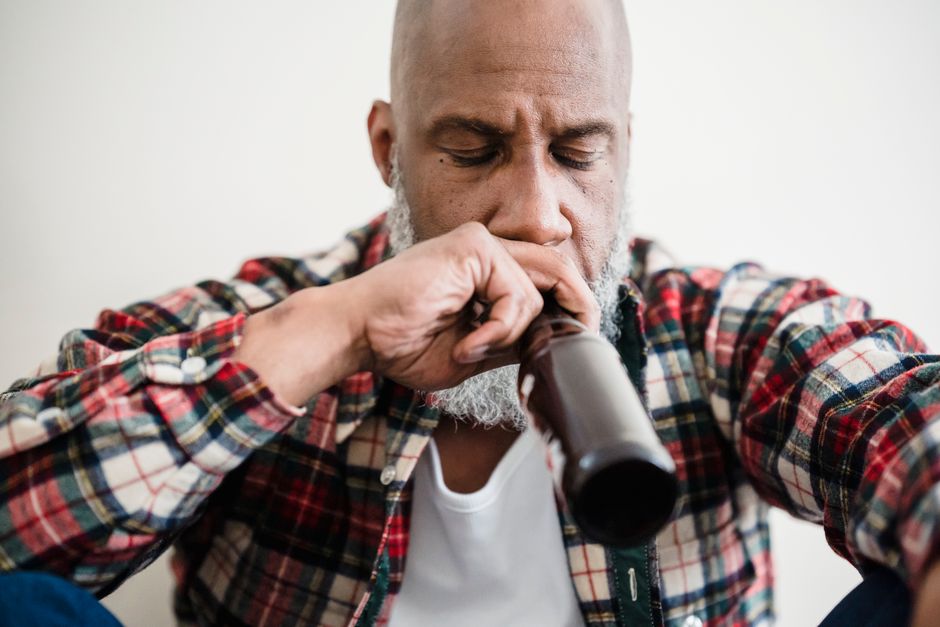
Quitting alcohol is a serious decision, and doing it safely matters more than doing it quickly. For people who drink heavily and regularly, stopping abruptly can trigger withdrawal symptoms that range from uncomfortable to life-threatening. The safest way to quit is not to white-knuckle it at home but to taper down under medical supervision or enter a medically managed detox program. This article explains what alcohol withdrawal is, why it can be dangerous, and how to approach quitting in a way that protects your health.
What Is Alcohol Withdrawal and Why Is It Dangerous?
Alcohol depresses the central nervous system. When you drink heavily for weeks or months, your brain adapts to the alcohol and works harder to stay alert. The brain essentially recalibrates its chemistry to function with alcohol present.
When you stop drinking suddenly, the brain is left in an overexcited state. This causes withdrawal symptoms. For some people, symptoms are mild. For others, they escalate into a medical emergency.
The most serious form is called delirium tremens, or DTs. It can cause severe confusion, hallucinations, seizures, and rapid heart rate. DTs can be fatal without treatment. This is not a rare event in heavy drinkers who stop cold turkey — it is a recognized medical risk.
Because of this risk, the medical community does not recommend unassisted, abrupt cessation for people with moderate to severe alcohol dependence.
How To Quit Alcohol Without Dangerous Withdrawal: The Medical Approach
The phrase “quitting without dangerous withdrawal” usually means one of two things: medically supervised detox or a structured tapering plan. Both are valid. Both require honesty about your drinking level.
Medically supervised detox is the gold standard. In this setting, healthcare providers monitor your vital signs and can prescribe medications to prevent seizures and reduce symptoms. This is done in a hospital or specialized detox facility. It is the safest option for anyone who has experienced withdrawal before, has a history of seizures, or drinks very heavily.
If you cannot access a detox facility, a supervised taper at home is a common alternative. This means gradually reducing your alcohol intake over days rather than stopping all at once. The goal is to lower your blood alcohol level slowly enough that the brain can adjust without overreacting.
A taper is not a free pass to keep drinking. It is a structured, time-limited plan with a clear end date. Some clinicians recommend this approach for people with mild to moderate dependence who cannot or will not enter a facility.
No clinical guidelines specify a universal taper schedule because individual drinking patterns vary too much. A safe taper is designed by a doctor or addiction specialist who knows your history. Do not guess at a schedule on your own.
Recognizing the Symptoms of Alcohol Withdrawal
Knowing what to watch for helps you decide when to get help. Symptoms usually begin within 6 to 12 hours after the last drink. Early signs include:
- Anxiety and irritability
- Nausea and vomiting
- Sweating and shaking
- Headache
- Insomnia
- Rapid heart rate
More serious symptoms can appear within 24 to 72 hours. These include:
- Fever
- Confusion or disorientation
- Hallucinations
- Seizures
- Severe agitation
If you or someone you know develops any of the serious symptoms, call emergency services immediately. Do not wait to see if it passes. Seizures and DTs require urgent medical care.
The timeline matters. Mild symptoms peak around 24 to 48 hours. Severe symptoms can last for several days. Some people experience a prolonged phase of low mood and fatigue that lasts weeks — this is sometimes called protracted withdrawal, though it is not as well defined in the research literature.





Medications Used in Alcohol Withdrawal Treatment
Medications are the reason medically supervised detox is safer than quitting alone. They do not cure the addiction, but they stabilize the brain during the withdrawal window.
Benzodiazepines are the most commonly used class of drugs for alcohol withdrawal. They work on the same brain receptors as alcohol, calming the overexcited nervous system. They reduce the risk of seizures and DTs significantly. These medications are controlled substances and are typically given in a tapering dose over several days.
Other medications may be used to manage specific symptoms. Anticonvulsants are sometimes used as an alternative, though evidence for their routine use is less established. Blood pressure medications can help control rapid heart rate and high blood pressure during withdrawal.
These are prescription medications. They require evaluation by a healthcare provider. Using benzodiazepines without medical supervision carries its own risks, including dependence and dangerous sedation.
What To Expect During Medically Supervised Detox
If you enter a detox program, the process follows a predictable arc. First, a clinician assesses your drinking history, medical conditions, and withdrawal risk. They may use a standard scoring tool to rate the severity of your symptoms.
You will be monitored regularly — usually every few hours — for changes in heart rate, blood pressure, and mental status. If symptoms escalate, medication is adjusted. If symptoms stay mild, you may need very little medication.
Most medically managed detox programs last 3 to 7 days. The length depends on the severity of your dependence and how your symptoms respond to treatment. After detox, you are not “cured.” You have safely cleared the physical withdrawal phase. The psychological work of staying sober is a separate, longer process.
Detox alone does not treat alcohol use disorder. It is the first step. Ongoing treatment — counseling, support groups, or medication for relapse prevention — is what helps people stay sober long term.
When You Should Never Quit Cold Turkey
Cold turkey means stopping all alcohol at once with no medical support. For light drinkers, this is usually safe. For heavy drinkers, it is risky.
You should not quit cold turkey if any of the following apply:
- You have had withdrawal symptoms before
- You have a history of seizures
- You drink daily or almost daily
- You drink large amounts — generally more than several drinks per day
- You have other medical conditions, especially heart or liver disease
- You are older, because withdrawal risks increase with age
If you are unsure whether you fall into a high-risk category, talk to a doctor before stopping. A simple medical evaluation can determine whether you need supervised detox or can taper safely at home.
There is no shame in needing medical help for alcohol withdrawal. It is a recognized medical condition, not a moral failing. The danger is not in asking for help — it is in trying to manage a potentially fatal condition without it.
What To Do If You Cannot Access Medical Care
Not everyone has easy access to a detox facility or a doctor. If you are in this position, the safest available option is a gradual reduction under the guidance of someone informed about your situation. Ideally, that someone is a healthcare professional you can consult by phone or telehealth.
A slow taper — reducing intake by a small amount each day — lowers the risk of severe withdrawal compared to abrupt cessation. The exact rate depends on your baseline drinking level. This is not something to improvise without guidance.
Even with a careful taper, you still need a plan for emergencies. Make sure someone knows you are quitting and can check on you. If you develop confusion, fever, or seizures, call for emergency help. Do not try to ride out severe symptoms alone.
If you are caring for someone who is withdrawing at home, do not leave them alone during the first 48 to 72 hours. That is the highest-risk window. Know the emergency signs and act on them immediately.
Frequently Asked Questions
Can I quit alcohol safely on my own?
Only if your drinking is light and you have no history of withdrawal symptoms. If you drink heavily or daily, quitting without medical supervision carries real risk of seizures or delirium tremens.
How long does alcohol withdrawal last?
Acute withdrawal symptoms typically start within 12 hours and peak around 24 to 72 hours after the last drink. Most physical symptoms resolve within 5 to 7 days, though some people experience lingering fatigue and mood changes for weeks.
What is the safest way to taper off alcohol?
The safest taper is designed by a doctor who knows your drinking history; no universal schedule exists. A slow reduction over several days under medical guidance is the standard approach for people who cannot access a detox facility.
When should I go to the hospital for alcohol withdrawal?
Go to an emergency room if you develop confusion, hallucinations, fever, severe agitation, or a seizure. These are signs of a potentially life-threatening withdrawal syndrome that requires immediate medical treatment.
