
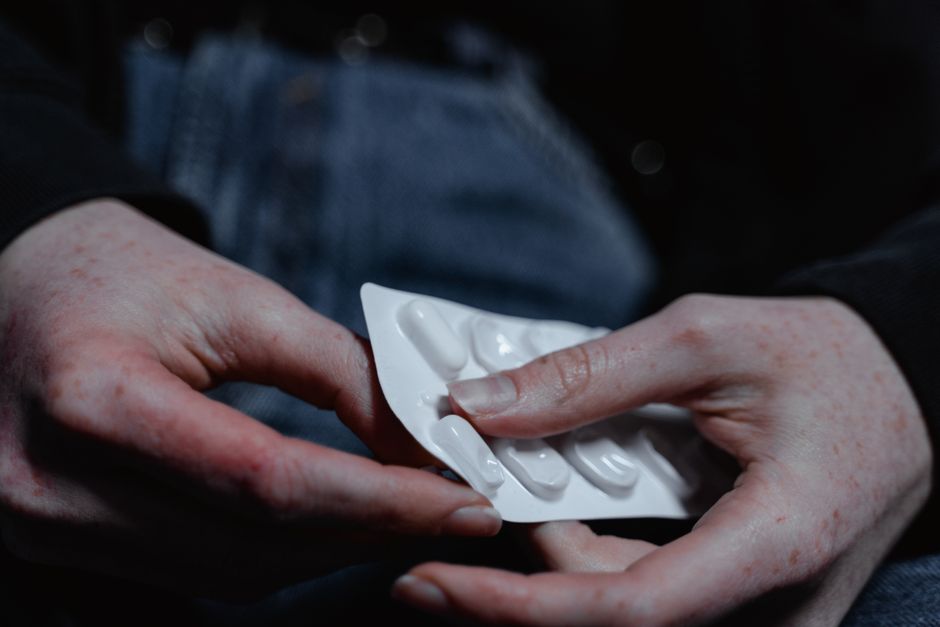
Stopping pain pills is a major decision, and doing it the right way matters more than doing it fast. Whether you take prescription opioids or over-the-counter pain relievers daily, your body has adapted to the medication. Stopping suddenly can trigger withdrawal symptoms, a return of severe pain, or other health risks. The safe path is a gradual reduction, often called a taper, planned with your healthcare provider. This guide explains how to approach that process with accurate, practical information.
Why You Should Not Stop Pain Pills Suddenly
Your body builds a physical dependence on many pain medications. This is not the same as addiction. Dependence means your nervous system has adjusted to the drug’s presence. When the drug leaves your system quickly, your body reacts.
For opioids, sudden withdrawal can cause nausea, vomiting, muscle cramps, diarrhea, anxiety, and severe restlessness. These symptoms are not dangerous in most healthy adults, but they are intensely uncomfortable. For certain medications like benzodiazepines or high-dose steroids, sudden withdrawal can be genuinely dangerous. Seizures and other serious complications are possible.
Sudden cessation can also cause rebound pain. The pain you originally treated may return stronger than before. This happens because your pain pathways have become sensitized. A gradual taper gives your nervous system time to readjust and allows you to distinguish between withdrawal discomfort and your underlying pain condition.
How To Get Off Pain Pills Safely And Gradually
The core principle is a slow, structured reduction under medical supervision. Your doctor will create a taper schedule based on your specific medication, dose, and how long you have taken it.
For most opioids, doctors reduce the dose by 10 percent every one to two weeks. Some people need an even slower schedule. Others can move faster. The right pace depends on your individual response. If withdrawal symptoms appear, the taper slows down. The goal is a steady, manageable decline, not a race.
Never adjust your dose on your own. A doctor’s guidance matters because they can monitor your blood pressure, heart rate, and mental state. They can also adjust the plan when things get difficult, which they often do at some point during a taper.
What To Expect During A Taper
Withdrawal symptoms can appear even with a careful taper. They usually peak within a few days after each dose reduction and then settle. Common symptoms include sweating, chills, stomach cramping, trouble sleeping, and a feeling of restlessness or irritability.
These symptoms are temporary. Knowing that can help you tolerate them. They are not a sign that something is wrong with your taper. They are a sign that your body is adapting.
Mood changes are common. Anxiety, low mood, and a short temper can occur. This is a normal part of the process for many people. Your brain is adjusting its chemistry. These feelings typically improve as your system stabilizes.
Sleep disruption is one of the most reported challenges. Some people find that sleep returns to normal only after the taper is complete. Good sleep habits — a consistent bedtime, no screens before sleep, and a cool dark room — can help, but they may not fully fix the problem during a taper.





Non-Opioid Pain Relievers And Your Taper
Over-the-counter medications like ibuprofen and acetaminophen are different from opioids. They do not cause the same physical dependence. But stopping them suddenly after long-term daily use can still cause rebound headaches or a flare of the original pain.
For these medications, a taper is often shorter. Reducing the dose over several days to a week is usually enough. The bigger concern is whether you were taking them daily for a reason that still needs attention.
Long-term daily use of NSAIDs like ibuprofen carries real risks. Stomach bleeding, kidney damage, and increased blood pressure are possible. If you have been taking these daily for months, your doctor should evaluate why. The taper is only part of the solution. Addressing the underlying pain condition is the other part.
Non-Drug Strategies That Support Your Taper
Pain management does not have to rely on medication alone. Several non-drug approaches have good evidence behind them. These are not replacements for your taper. They are tools that can make the process more comfortable.
Physical therapy helps many people. Strengthening muscles around a painful joint or improving mobility can reduce pain signals. A physical therapist can design a program specific to your condition.
Heat and cold therapy are simple and safe. Heat relaxes tight muscles and improves blood flow. Cold reduces inflammation and numbs sharp pain. Alternating between them can be effective for many types of musculoskeletal pain.
Cognitive behavioral therapy, or CBT, has strong evidence for chronic pain. It teaches you to change how you think about and respond to pain. This does not mean the pain is imaginary. It means your brain’s processing of pain signals can be influenced. Research shows CBT can reduce pain intensity and improve function for many people.
Gentle movement like walking or swimming often helps. Movement can feel counterintuitive when you are in pain, but inactivity weakens muscles and can make pain worse over time. Start slow and increase gradually.
When The Taper Gets Hard
Most tapers have a difficult stretch. This is normal and expected. It does not mean you are failing. It means your body is working through the adjustment.
Tell your doctor when symptoms become hard to manage. They can slow the taper, adjust the timing of doses, or add medications that ease specific withdrawal symptoms. Clonidine is sometimes used to reduce opioid withdrawal symptoms. Anti-nausea medications can help with stomach upset. Sleep aids may be prescribed for short-term use.
Do not restart your original dose to cope with a hard day. That undoes your progress and can make the next reduction harder. Instead, contact your care team for support.
If you find yourself repeatedly unable to stick to your taper plan, or if you are using the medication for emotional relief rather than pain, talk to your doctor honestly. This may indicate opioid use disorder, which is a treatable medical condition. Medication-assisted treatment with buprenorphine or methadone has strong evidence and saves lives.
How Long Does The Whole Process Take?
There is no single answer. The duration depends on your dose, the medication’s half-life, how long you have taken it, and your individual physiology.
A person on a low dose for a few weeks might taper in a month. Someone on a high dose for years may need six months or more. The pace should never be rushed to meet an arbitrary deadline.
Some people experience post-acute withdrawal symptoms, sometimes called PAWS. These can include low energy, mood swings, and trouble concentrating that last for weeks or months after the taper ends. These symptoms gradually improve. They are not permanent.
Frequently Asked Questions
How fast should I reduce my pain medication dose?
Most doctors reduce opioid doses by about 10 percent every one to two weeks. Your specific schedule depends on your medication, dose, and how your body responds.
What are the worst withdrawal symptoms?
Common symptoms include nausea, muscle cramps, diarrhea, sweating, anxiety, and severe restlessness. These are uncomfortable but generally not dangerous for otherwise healthy adults.
Can I use over-the-counter pain relievers during an opioid taper?
Yes, in many cases. Ibuprofen or acetaminophen can help with pain during a taper, but talk to your doctor first. Long-term daily use of NSAIDs carries risks like stomach bleeding and kidney damage.
What should I do if I relapse during my taper?
Tell your doctor immediately. A relapse is not a moral failure. Your care team can adjust your plan or discuss medication-assisted treatment if needed.
The path off pain pills is rarely a straight line. It takes patience, honest communication with your doctor, and a willingness to use non-drug tools alongside your taper. Go slowly. Ask for help when you need it. The goal is not just to stop the medication — it is to manage your pain in a way that is sustainable for the long term.
