
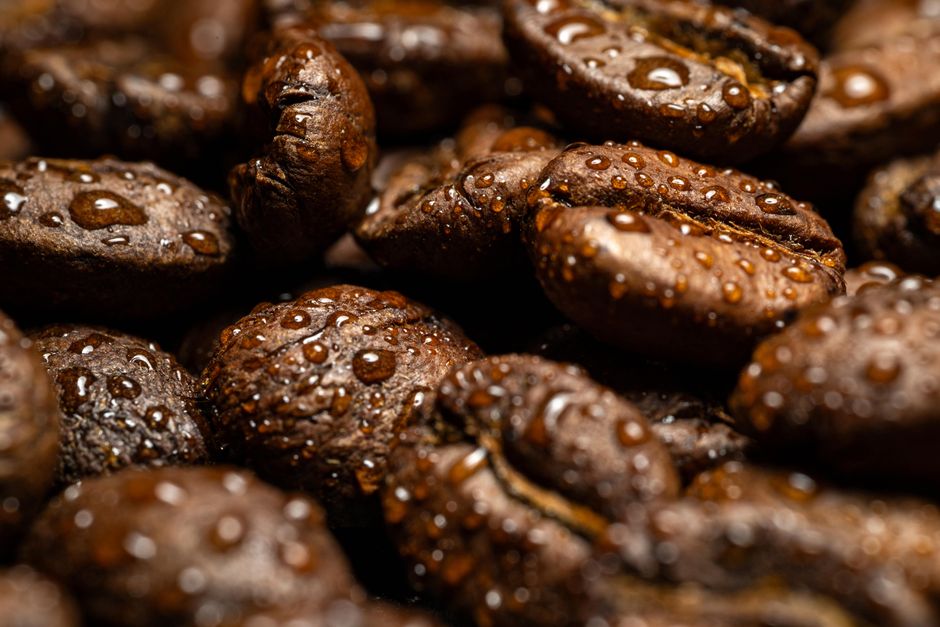
If you think dark roast coffee has the most caffeine, you are not alone. Many people assume the bold, strong flavor of a dark roast equals a bigger jolt. The truth is the opposite. Light roast coffee has slightly more caffeine by volume, but the difference is so small that your brewing method and serving size matter far more than the roast level.
Does Roast Level Actually Change Caffeine Content?
Roasting coffee beans changes their color, flavor, and density, but it barely changes the caffeine. The caffeine molecule is stable at roasting temperatures. Coffee beans are roasted between 370°F and 540°F. Caffeine does not break down until much higher temperatures, so the roasting process itself does not destroy it.
What changes is the bean’s weight and size. When beans are roasted longer, they lose more water and become less dense. A dark roast bean is lighter and slightly larger than a light roast bean of the same original weight. Because caffeine is measured by weight, a scoop of light roast contains a few more whole beans than a scoop of dark roast. More beans means slightly more caffeine.
Research consistently shows that light roast coffee contains about the same caffeine as dark roast, with any difference measuring only a few milligrams per cup. For context, a typical 8-ounce cup of brewed coffee contains roughly 80 to 100 milligrams of caffeine. The roast difference might account for 5 to 10 milligrams at most. You will not feel that difference.
What Actually Determines Caffeine in Your Cup?
If roast level is not the main factor, what is? The answer is simple: how you brew it. The longer coffee sits in contact with water, the more caffeine ends up in your cup. Water temperature and the amount of coffee you use also matter.
Here is how common brewing methods compare for caffeine extraction:
- Drip coffee: Water passes through grounds once, extracting a moderate amount of caffeine.
- French press: Grounds steep in hot water for several minutes, pulling out more caffeine.
- Espresso: Small volume but highly concentrated. One shot has about 63 milligrams, which is less than a full cup of drip coffee.
- Cold brew: Steeped for 12 to 24 hours. Despite the long steep time, cold water extracts caffeine less efficiently than hot water, but the high coffee-to-water ratio often makes it strong.
The amount of coffee grounds you use is the single biggest lever. A heaping tablespoon of dark roast will give you more caffeine than a level tablespoon of light roast simply because there is more coffee in the cup. If you want more caffeine, use more coffee. Do not switch roasts.
Light Roast vs. Dark Roast: The Real Differences
Roast level changes flavor, acidity, and antioxidant content. It does not meaningfully change caffeine. If you are choosing a roast based on caffeine, you are choosing on a false premise.
Light roasts preserve more of the bean’s original characteristics. They tend to be more acidic, brighter, and more floral or fruity. They also retain higher levels of chlorogenic acid, a natural antioxidant found in coffee. Some studies suggest light roasts have slightly more of this compound than darker roasts, but the health significance of that difference is not well established.
Dark roasts develop deeper, smokier, and more bitter flavors as sugars caramelize and oils rise to the surface. They have lower acidity, which makes them easier on some stomachs. The roasting process creates new compounds called melanoidins, which give dark roasts their body and color. These compounds have been studied for antioxidant activity, but no large human trials have confirmed meaningful health benefits from choosing one roast over another.
Your taste preference should drive your roast choice, not caffeine content. If you like the bold taste of dark roast, drink it. If you prefer the bright acidity of light roast, that is fine too. Both will give you a similar caffeine boost.

Does Espresso Have More Caffeine Than Drip Coffee?
This is a common point of confusion. Espresso tastes stronger and more intense than drip coffee, so people assume it has more caffeine. By volume, that is true. A single ounce of espresso has about 63 milligrams of caffeine. An ounce of drip coffee has roughly 12 milligrams. But you do not drink espresso by the ounce.
A standard serving of espresso is one to two ounces. A standard cup of drip coffee is eight ounces. That eight-ounce cup of drip coffee contains more total caffeine than a single shot of espresso. If you order a double espresso, you are getting close to the caffeine in a cup of drip coffee, but not more.
The takeaway is that caffeine content depends on total serving size, not concentration alone. A small, concentrated drink can have less total caffeine than a large, weaker drink.
Which Roast Has The Most Caffeine? What to Choose
Light roast has the most caffeine by weight, but the difference is negligible in practice. If you are choosing a roast for maximum caffeine, you are optimizing the wrong variable. The roast you choose will not determine whether you feel a strong effect.
What to choose instead:
- If you want maximum caffeine, choose a brewing method that extracts more, like French press or cold brew with a high coffee-to-water ratio.
- Use more coffee grounds. This is the most direct way to increase caffeine.
- Choose a roast based on flavor. Light roasts are brighter and more acidic. Dark roasts are bolder and less acidic.
- If you are sensitive to stomach irritation, a dark roast may be gentler because of its lower acidity.
- If you want more antioxidants, some evidence suggests light roasts retain more chlorogenic acid, but the clinical significance is unclear.
No roast level will give you a dramatically different caffeine experience. The marketing that associates dark roast with high caffeine is based on flavor perception, not chemistry.
What About Decaf and Caffeine-Free Options?
Decaf coffee still contains caffeine, just much less. A typical 8-ounce cup of decaf has about 2 to 5 milligrams of caffeine, compared to 80 to 100 milligrams in regular coffee. Decaffeination removes roughly 97 percent of the caffeine, but not all of it.
If you are sensitive to caffeine or need to avoid it for medical reasons, decaf is a reasonable choice, but it is not zero caffeine. People with certain heart conditions or anxiety disorders should talk to their doctor about caffeine intake. For most healthy adults, up to 400 milligrams of caffeine per day is considered safe by major health authorities. That is roughly four 8-ounce cups of brewed coffee.
Pregnant women are advised to limit caffeine intake to 200 milligrams per day, according to longstanding clinical guidance. If you are pregnant or breastfeeding, talk to your healthcare provider about how much caffeine is right for you.
Does the Type of Coffee Bean Matter?
There are two main species of coffee: Arabica and Robusta. These differ in caffeine content more than any roast level does. Robusta beans contain roughly twice as much caffeine as Arabica beans. A cup of Robusta coffee can have 200 milligrams of caffeine or more, while a cup of Arabica typically has 80 to 100 milligrams.
Most specialty coffee shops sell Arabica beans. Robusta is more common in instant coffee and some espresso blends because it is cheaper and produces a thicker crema. If you are buying whole beans, check the label. If it does not say Robusta, it is almost certainly Arabica.
This matters more than roast level. Switching from Arabica to Robusta can double your caffeine intake. Switching from light to dark roast changes almost nothing.
Frequently Asked Questions
Does dark roast have more caffeine than light roast?
No. Light roast has slightly more caffeine by weight because the beans are denser. The difference is only a few milligrams per cup and is unlikely to be noticeable.
Which brewing method gives the most caffeine?
Cold brew and French press typically produce higher caffeine content because the grounds steep in water for longer. Using more coffee grounds increases caffeine more than any other factor.
Is espresso stronger than regular coffee?
Espresso is more concentrated, but a standard serving contains less total caffeine than a full cup of drip coffee. A single shot has about 63 milligrams, while an 8-ounce cup of drip coffee has roughly 80 to 100 milligrams.
Does Robusta coffee have more caffeine than Arabica?
Yes. Robusta beans contain about twice as much caffeine as Arabica beans. The bean species matters far more than the roast level.
