

Colon resection is a major surgery where a surgeon removes part of the large intestine. For most people, the procedure itself does not change their overall life expectancy. Your long-term outlook depends almost entirely on the reason the surgery was performed, such as cancer, diverticulitis, or inflammatory bowel disease.
What Is The Life Expectancy After Colon Resection?
Life expectancy after colon resection is tied to the underlying condition, not the surgery itself. If the resection is for non-cancerous conditions like diverticulitis or benign polyps, life expectancy generally returns to normal for your age. If the surgery is for colon cancer, life expectancy depends on the cancer stage at diagnosis and whether it had spread.
Many people live for decades after a successful colon resection. The surgery removes the diseased portion of the bowel, which often resolves the problem that threatened your health in the first place.
How The Reason For Surgery Affects Your Outlook
The most important factor in long-term survival is why you needed the surgery. The colon is removed for several common reasons, and each carries a different prognosis.
Diverticulitis is a common reason for colon resection. When severe or recurring, the inflamed pouches in the colon wall are removed. Once the diseased segment is gone, the condition is effectively cured. Studies consistently show that people who have elective surgery for diverticulitis have a life expectancy similar to the general population.
Inflammatory bowel disease includes Crohn’s disease and ulcerative colitis. Surgery for these conditions removes the damaged bowel but does not cure the underlying immune disorder. Life expectancy for people with IBD is slightly lower than the general population, but the gap is small. Most people live full, normal-length lives.
Bowel obstruction can occur from scar tissue, hernias, or tumors. When the blockage is relieved surgically, the outlook depends on the cause. A benign obstruction carries an excellent prognosis. A malignant obstruction carries the prognosis of the underlying cancer.
Colon cancer is the most serious reason for resection. Here, the stage of cancer at diagnosis is the single strongest predictor of long-term survival.
Colon Cancer Stage And Survival
When colon resection is performed for cancer, the pathologist examines the removed tissue to determine the stage. This staging guides treatment and provides the most accurate picture of long-term outlook.
Stage I colon cancer is confined to the inner layers of the colon wall. Surgery alone is often curative. The five-year survival rate for stage I colon cancer is above 90 percent.
Stage II cancer has grown through the colon wall but has not spread to lymph nodes. Surgery is the primary treatment. Five-year survival rates range from 70 to 85 percent depending on tumor characteristics.
Stage III cancer has spread to nearby lymph nodes. Surgery is followed by chemotherapy in most cases. Five-year survival rates range from 50 to 70 percent depending on how many lymph nodes contain cancer.
Stage IV cancer has spread to distant organs like the liver or lungs. This is metastatic disease. While not typically curable, modern treatments have improved survival significantly. Some people with limited metastases live many years with ongoing treatment.
These are five-year survival statistics, which is the standard measure in cancer research. Many people live far longer than five years. If you remain cancer-free for five years after treatment, the chance of recurrence drops substantially.




Does The Surgery Itself Affect Lifespan?
Colon resection is a major operation with real risks. The surgery itself carries a small risk of death, usually from complications like infection, bleeding, or blood clots.
For healthy people having elective surgery, the risk of dying within 30 days of the operation is generally below 1 percent. This risk is higher for older adults, people with multiple medical conditions, or those having emergency surgery.
Once you recover from the operation, the surgery itself does not shorten your life. The colon is remarkably adaptable. After a segment is removed, the remaining bowel adjusts and typically functions well. Most people return to a normal diet and normal bowel habits within a few months.
How Your Colon Changes After Resection
Understanding what happens after surgery helps put life expectancy in perspective. The colon absorbs water and electrolytes from digested food. It is not essential for nutrient absorption, which happens in the small intestine.
When a portion of the colon is removed, the remaining sections take over the work. This adaptation happens gradually. Initially, you may have loose stools or more frequent bowel movements. Over weeks to months, the bowel adjusts and stools typically firm up.
If a large portion of the colon is removed, you may need to take vitamin B12 supplements. This vitamin is absorbed in the last part of the small intestine, which is sometimes removed during colon surgery. Your surgeon will tell you if this applies to your situation.
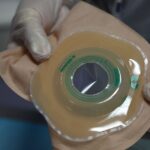
Some people require a temporary or permanent ostomy bag after surgery. This is more common in emergency surgeries or when the lower rectum must be removed. An ostomy does not change life expectancy. Many people live active, full lives with an ostomy.
Lifestyle Factors That Influence Long-Term Survival
Your health habits after surgery play a significant role in your long-term outlook. This is true regardless of why you had the operation.
Regular physical activity is linked to better outcomes after colon surgery. Research suggests that people who are physically active after colon cancer treatment have lower rates of recurrence and improved survival compared to sedentary people. The protective effect is most consistent for colon cancer specifically.
A balanced diet supports recovery and overall health. No specific diet has been proven to extend life after colon resection. The general guidance is to eat plenty of fruits, vegetables, whole grains, and lean protein while limiting processed meats and excessive alcohol.
Maintaining a healthy weight matters. Obesity is associated with worse outcomes in colon cancer specifically. If you smoke, quitting is one of the most impactful things you can do for your long-term health.
Follow-Up Care After Colon Resection
Regular follow-up is essential for catching problems early. The schedule depends on why you had surgery.
After cancer surgery, you will typically see your oncologist every few months for the first two years, then less frequently. This includes physical exams, blood tests, and periodic colonoscopies. Imaging scans may be performed if your cancer stage warrants it.
After surgery for benign conditions, follow-up is less intensive. You will need a colonoscopy about one year after surgery to check the anastomosis, which is where the remaining colon was reconnected. After that, colonoscopy screening follows the standard schedule for your age and risk factors.
Late complications are uncommon but possible. Scar tissue can cause a bowel obstruction years after surgery. This typically presents with abdominal pain, bloating, and vomiting. If you experience these symptoms, seek medical attention promptly.
What Most People Want To Know
People facing colon surgery often worry that the operation marks the beginning of the end. The data says otherwise. For benign conditions, life expectancy is essentially unchanged. For cancer, even advanced stages carry meaningful survival rates that continue to improve with new treatments.
The most honest answer is that your life expectancy after colon resection is determined by your specific diagnosis, your cancer stage if applicable, and your overall health. The surgery itself is a treatment that removes disease. In most cases, it gives you more life, not less.
Frequently Asked Questions
Can you live a normal lifespan after colon removal?
Yes, most people live a normal lifespan after colon resection when the surgery is for benign conditions or early-stage cancer. The remaining colon adapts to take over the work of the removed section.
What is the average life expectancy after colon cancer surgery?
Average life expectancy depends on cancer stage at diagnosis, with five-year survival rates ranging from over 90 percent for stage I to roughly 50 to 70 percent for stage III. Many people live well beyond five years after successful treatment.
Does having part of your colon removed shorten your life?
No, the surgery itself does not shorten life expectancy. Long-term survival is determined by the underlying condition that required the surgery, not by the removal of the colon segment.
How long does it take to recover from colon resection surgery?
Most people stay in the hospital for three to seven days after surgery. Full recovery, including returning to normal activity and energy levels, typically takes four to six weeks.
