
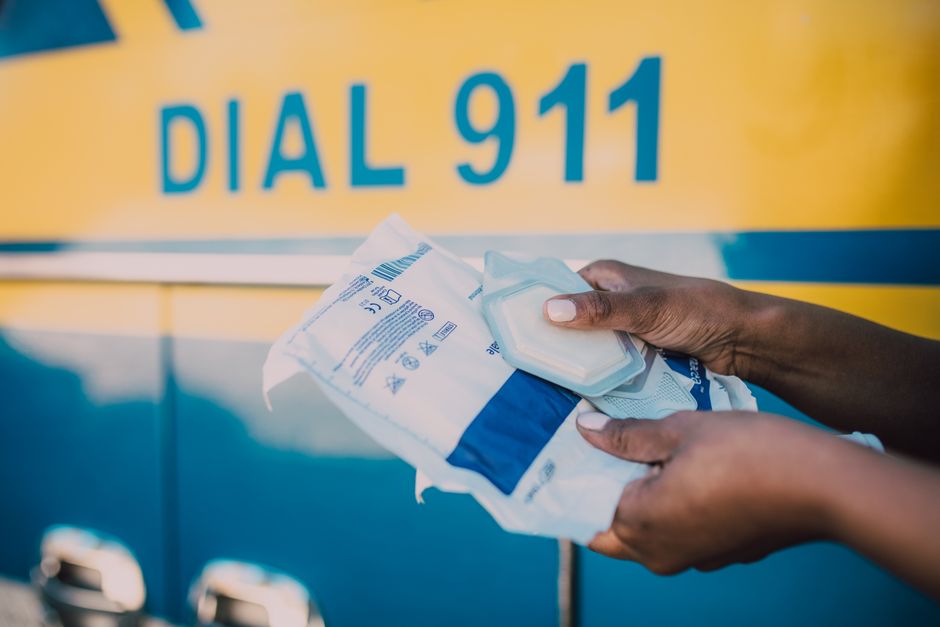
QuikClot is a brand of hemostatic dressing used to stop severe external bleeding when direct pressure alone is not enough. The most important step is to pack it directly into the wound and hold firm, continuous pressure on top of it. It does not replace calling 911, and it works best when used early, before massive blood loss sets in.
Severe bleeding can kill within minutes. Knowing how to use a hemostatic agent correctly can mean the difference between life and death. This guide explains what QuikClot is, when to use it, and the exact steps for applying it to a life-threatening wound.
What Is QuikClot and How Does It Work?
QuikClot is a brand of hemostatic dressing — a material designed to speed up blood clotting at the site of a wound. Hemostatic means “stops bleeding.”
The original QuikClot products used a mineral called zeolite that worked by absorbing water from the blood, which concentrated the clotting factors and helped form a clot faster. That early version generated heat and could cause burns, which limited its use. Current QuikClot products have moved away from that formula.
Most modern QuikClot products use kaolin, a naturally occurring clay mineral. Kaolin activates factor XII, a protein in blood that triggers the clotting cascade — the chain of reactions that forms a stable clot. This is the same mechanism used in some other hemostatic dressings. The kaolin version does not produce the heat reaction that the older zeolite products did.
QuikClot comes in several forms:
- QuikClot Combat Gauze — a gauze roll impregnated with kaolin, designed for packing deep wounds
- QuikClot Gauze — similar, marketed for civilian use
- QuikClot Trauma Pad — a flat dressing for surface wounds
- QuikClot Advanced Clotting Sponge — a sponge form for certain wound types
These products are used by military medics, emergency responders, and are increasingly carried in public bleeding control kits. The American College of Surgeons Committee on Trauma has promoted the widespread placement of bleeding control kits in public spaces.
When Should You Use QuikClot?
Use QuikClot when you have a wound that is bleeding heavily and direct pressure is not controlling it. This is typically a wound to an arm, leg, groin, armpit, or neck where a major blood vessel may be injured.
Signs of life-threatening bleeding include:
- Blood that is spurting or pulsing
- Blood that will not stop with firm, direct pressure
- Blood soaking through multiple layers of gauze or clothing
- A wound that is deep and continues to bleed despite pressure
- Signs of shock — pale skin, rapid heartbeat, confusion, fainting
QuikClot is not meant for minor cuts, scrapes, or nosebleeds. It is for wounds where the person could bleed to death before help arrives.
If the bleeding is on an arm or leg and is not controlled by direct pressure, a tourniquet is often the first choice in current trauma care. Tourniquets are highly effective for extremity bleeding. QuikClot is especially useful for wounds in areas where a tourniquet cannot be applied — such as the groin, armpit, or neck — or when a tourniquet is not available.
How To Use QuikClot To Stop Life Threatening Bleeding?
The steps below follow the general approach taught in stop-the-bleed training and used by military and civilian trauma responders.
Step 1: Call 911 immediately. Do this first or have someone else do it while you work. QuikClot buys time. It does not replace emergency medical care.
Step 2: Expose the wound. Move clothing out of the way so you can see where the bleeding is coming from. If you cannot see the source, you cannot pack it correctly.
Step 3: Apply direct pressure first. Press firmly on the wound with your hands or a clean cloth. If the bleeding stops, keep holding. If it does not stop, move to packing.
Step 4: Pack the QuikClot into the wound. This is the step most people get wrong. Do not lay the gauze on top of the wound. Push it directly into the wound cavity, all the way to the bleeding source. Use your fingers to stuff it in firmly. If the wound is deep, pack it tightly — fill the entire cavity.
Step 5: Hold continuous, firm pressure. Once the wound is packed, press down hard with both hands. Do not release pressure to check if bleeding has stopped. Do not lift the gauze. Hold for at least 3 minutes without letting up. If bleeding continues or soaks through, add more QuikClot on top and press harder.
Step 6: Keep pressure on until help arrives. Do not remove the QuikClot. It needs to stay in place. Emergency responders will manage it from there.
If the wound is on an arm or leg and packing does not control bleeding, apply a tourniquet above the wound if you have one. Tourniquets and hemostatic dressings can be used together.





What Should You Not Do When Using QuikClot?
Common mistakes can make things worse.
- Do not pour QuikClot powder or loose granules into a wound. Older powder products existed but are not the current standard. Modern QuikClot is a gauze or pad that gets packed in.
- Do not remove the QuikClot once it is in. Pulling it out can rip away the clot that has formed and restart bleeding.
- Do not use QuikClot on a minor wound. It is for severe bleeding only.
- Do not skip calling 911. QuikClot is a bridge, not a fix. The person still needs surgery and medical care.
- Do not use it on the eye or inside the chest cavity. These are special situations that require different management.
One point that surprises many people: you do not need to sterilize the wound first. In a life-threatening bleed, stopping blood loss matters far more than infection risk. Infection can be treated later. Blood loss cannot wait.
Does QuikClot Actually Work?
Hemostatic dressings including kaolin-based products have been studied in both military and civilian settings. Research indicates these dressings can improve bleeding control compared to plain gauze in certain types of wounds. The evidence is strongest for use in combat and prehospital trauma care.
However, the evidence base has limits. Many studies are observational or come from military experience rather than large randomized trials. The evidence supports QuikClot as a useful tool within a broader bleeding control strategy — not as a standalone solution.
What is clear: prompt action matters. The most important factors in surviving a severe bleed are calling for help fast, applying pressure quickly, and not waiting for a perfect product to appear. A plain gauze packed tightly into a wound and held with firm pressure can also save a life if that is all you have.
How Does QuikClot Compare to Other Bleeding Control Options?
Several tools exist for severe bleeding. Each has a role.
| Method | Best For | Key Limitation |
|---|---|---|
| Direct pressure | Most bleeding wounds | May not control deep or arterial bleeding |
| QuikClot (kaolin gauze) | Deep wounds, junctional areas (groin, armpit, neck) | Must be packed correctly; requires training |
| Tourniquet | Life-threatening arm or leg bleeding | Cannot be used on neck, groin, or torso |
| Wound packing with plain gauze | Deep wounds when hemostatic gauze is unavailable | Less effective than hemostatic agents in some studies |
The choice depends on the wound location, what you have available, and your training. For arm and leg wounds that will not stop bleeding, a tourniquet is generally the fastest and most reliable option. For junctional wounds, packing with a hemostatic dressing like QuikClot is often the best available approach.
How Should You Prepare Before an Emergency?
Reading about QuikClot is not the same as being able to use it under pressure. Bleeding control training teaches the physical skills — packing a wound, applying a tourniquet, holding pressure — that are hard to learn from text alone.
Stop the Bleed is a national awareness campaign that offers free training courses. Many hospitals, fire departments, and community organizations host them. The course typically takes about an hour.
If you carry a bleeding control kit, check it periodically. QuikClot gauze has a shelf life, so check the expiration date. Keep the kit where you can reach it quickly — a car, a workplace, or a home first aid station.
Knowing how to use QuikClot is one part of a larger skill set. The most important thing you can do is act fast, apply pressure, and get professional help on the way.
Frequently Asked Questions
Can I use QuikClot on any wound?
No. QuikClot is intended for severe, life-threatening bleeding, not minor cuts or scrapes. Using it on small wounds is unnecessary and wastes a product meant for emergencies.
How long do I hold pressure after packing QuikClot?
Hold firm, continuous pressure for at least 3 minutes without releasing or checking the wound. If bleeding continues, add more QuikClot and press harder.
Does QuikClot hurt or burn when applied?
Current kaolin-based QuikClot products do not generate the heat reaction that older zeolite-based versions did. Applying pressure to a severe wound will be painful regardless, but the product itself is not designed to burn.
Can I use QuikClot and a tourniquet together?
Yes. If a wound on an arm or leg continues to bleed after packing with QuikClot, applying a tourniquet above the wound is appropriate. The two methods can be used together.
