
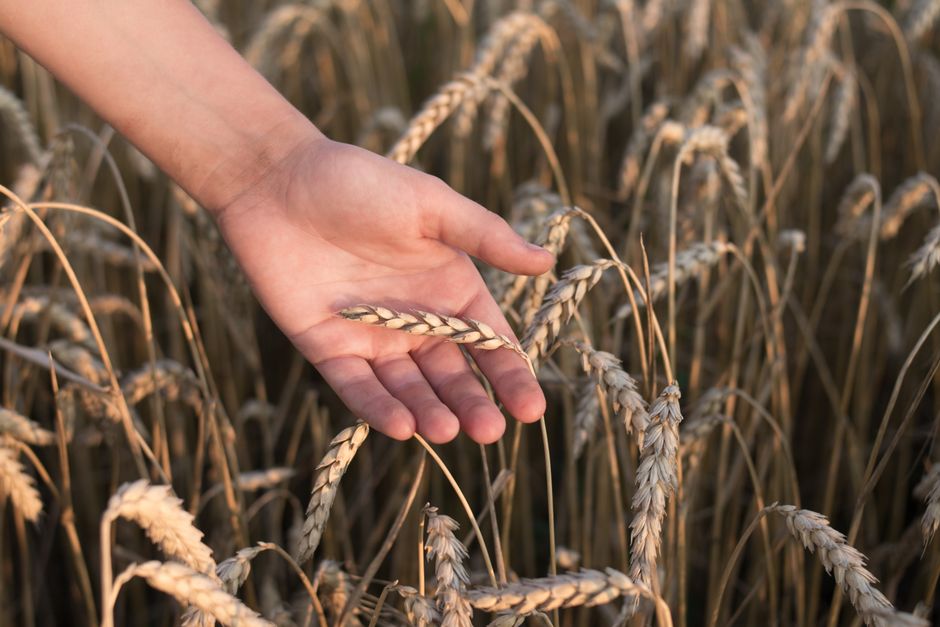
Wheat can be introduced to a baby around 6 months of age, once they show signs of readiness for solid foods and have started eating other iron-rich foods. Offer it in small amounts, mixed into a thin puree or soft cereal, and watch your baby for three to five days before adding another new food. If your baby has severe eczema or a family history of allergy, talk to your pediatrician before the first wheat feeding.
When Can Babies Start Eating Wheat?
Current guidance from major pediatric and allergy organizations supports introducing wheat as a complementary food starting around 6 months, alongside other common allergens. There is no evidence that delaying wheat beyond this window prevents allergy. In fact, some research suggests that introducing allergenic foods early and regularly may reduce the risk of developing allergies to them.
Your baby should be able to sit with support, hold their head steady, and show interest in food before you begin. These readiness signs matter more than a specific date on the calendar.
Wheat is one of the top allergens, along with milk, eggs, soy, peanuts, tree nuts, fish, shellfish, and sesame. That does not mean it is dangerous for most babies. It means it deserves a little attention when you first offer it.
How To Introduce Wheat To Baby First Foods And Tips
Start with a small amount of a single-ingredient wheat food. Infant wheat cereal mixed with breast milk or formula is a common first choice. You can also thin a small spoonful of smooth wheat-based porridge with liquid until it has a consistency your baby can handle.
Offer it once, in the morning or early afternoon, so you have hours to observe your baby while they are awake. If all goes well, you can gradually increase the amount over the following days and begin offering wheat more regularly.
Regular exposure matters. Introducing a food once and never again does not give the immune system repeated practice. Some evidence indicates that ongoing, regular inclusion of wheat in the diet is more helpful than a single taste.
A few practical tips:
- Mix wheat cereal with breast milk or formula rather than water for the first few tries — it adds familiar flavor and nutrients.
- Keep the texture thin at first, then thicken as your baby gets better at swallowing.
- Do not add sugar, honey, or salt. Honey is not safe for babies under 12 months due to the risk of infant botulism.
- Feed when your baby is alert and not overly hungry or tired.
- Have a phone nearby the first time, in case you need to call your pediatrician.
If your baby spits it out or turns away, that is normal. It can take many tries before a baby accepts a new food. Texture and taste are both new experiences.
What Signs Of A Wheat Reaction Should Parents Watch For?
Most babies tolerate wheat without any problem. When reactions do occur, they usually show up within minutes to a few hours of eating. Mild signs include a new rash, hives, redness around the mouth, or mild vomiting.
More serious signs include swelling of the lips, tongue, or throat, difficulty breathing, persistent coughing or wheezing, pale or bluish skin, or a sudden drop in alertness. These are signs of a severe allergic reaction and require emergency medical care right away.
Digestive symptoms deserve a closer look, because they can have more than one cause. Vomiting, diarrhea, or blood in the stool after eating wheat could point to a wheat allergy, but they could also reflect a viral illness or another digestive issue. Do not assume one diagnosis. Talk to your pediatrician if symptoms repeat after wheat feedings.
There is a separate condition called celiac disease, which is not an allergy. It is an autoimmune reaction to gluten, a protein in wheat, barley, and rye. Celiac disease does not typically cause immediate reactions. Symptoms can take weeks or longer to appear and may include poor growth, chronic diarrhea, or irritability. If you suspect celiac disease, do not remove wheat from your baby’s diet before testing, because removing it can make test results harder to interpret. Speak with a doctor first.





Which Wheat Foods Are Best For A Baby Starting Solids?
Plain, single-ingredient wheat products are the safest starting point. Infant wheat cereal, iron-fortified and unsweetened, is widely available and designed for this stage. Smooth cooked wheat porridge or well-cooked, pureed pasta are other options once your baby is comfortable with basic purees.
Avoid giving whole wheat bread, crackers, or dry cereal to a baby under 12 months. These can be choking hazards. Hard, crunchy textures are not safe until chewing skills develop further.
Refined wheat products like white bread and pasta are not harmful, but they offer less fiber and fewer nutrients than whole grain versions. Once your baby is eating a wider range of textures, whole wheat pasta and soft whole grain bread can be part of a balanced diet.
How Much Wheat Should A Baby Eat?
There is no official recommended daily amount of wheat for babies. The goal is regular exposure as part of a varied diet, not a specific target. A few spoonfuls a day is a reasonable starting point. Increase gradually based on your baby’s appetite and tolerance.
Wheat should not crowd out other important first foods. Iron-rich options like pureed meat, beans, and fortified cereals are a priority in the second half of the first year, because a baby’s iron stores from birth begin to run low around 6 months. Breast milk or formula remains the main source of nutrition through the first year.
Variety across food groups matters more than any single food. Wheat is one piece of that picture.
Does Early Wheat Introduction Prevent Celiac Disease?
The evidence here is genuinely mixed, and this is an area where parents often hear claims that go beyond what studies show. Some research has looked at whether the timing of gluten introduction affects celiac disease risk. Results have not been consistent, and no clear protective window has been confirmed.
What is clearer is that breastfeeding, timing of introduction, and amount of gluten do not appear to reliably prevent celiac disease in children who are genetically predisposed. Current clinical direction generally supports introducing gluten-containing foods around 6 months without deliberately delaying or rushing them, but this reflects a reasonable approach rather than a proven prevention strategy.
If celiac disease runs in your family, this is worth a conversation with your pediatrician or a pediatric gastroenterologist before you start solids. They can advise on screening and monitoring.
What If My Baby Already Has Eczema Or A Family History Of Allergy?
Babies with severe eczema or a close family member with a food allergy may be at higher risk for developing allergies themselves. This does not mean you should avoid wheat. It means you should talk to your pediatrician before introducing it, so they can guide you on timing and what to watch for.
Some pediatricians may recommend introducing wheat in a supervised setting or refer you to an allergist for testing first. Testing before introduction is not routine for all babies, but it may be appropriate in certain higher-risk cases. Follow your doctor’s guidance rather than a general rule.
Do not delay introduction out of fear without medical advice. Delaying common allergens beyond the recommended window has not been shown to prevent allergies and may work against you.
Frequently Asked Questions
At what age can I give my baby wheat?
Wheat can be introduced around 6 months, once your baby shows signs of readiness for solids and is eating other first foods. Talk to your pediatrician first if your baby has severe eczema or a family history of food allergy.
What are the signs of a wheat allergy in babies?
Signs can include hives, a new rash, vomiting, or diarrhea after eating wheat, usually within minutes to a few hours. Swelling of the lips or throat, trouble breathing, or a sudden drop in alertness are emergencies — call 911.
Can I give my baby regular bread or pasta?
Soft, well-cooked pasta pureed or cut very small can work once your baby handles purees well. Whole bread and dry crackers are choking risks before 12 months and should be avoided.
Does eating wheat early cause celiac disease?
No evidence shows that early wheat introduction causes celiac disease. The relationship between gluten timing and celiac risk is still not fully understood, and research results have been mixed.
