
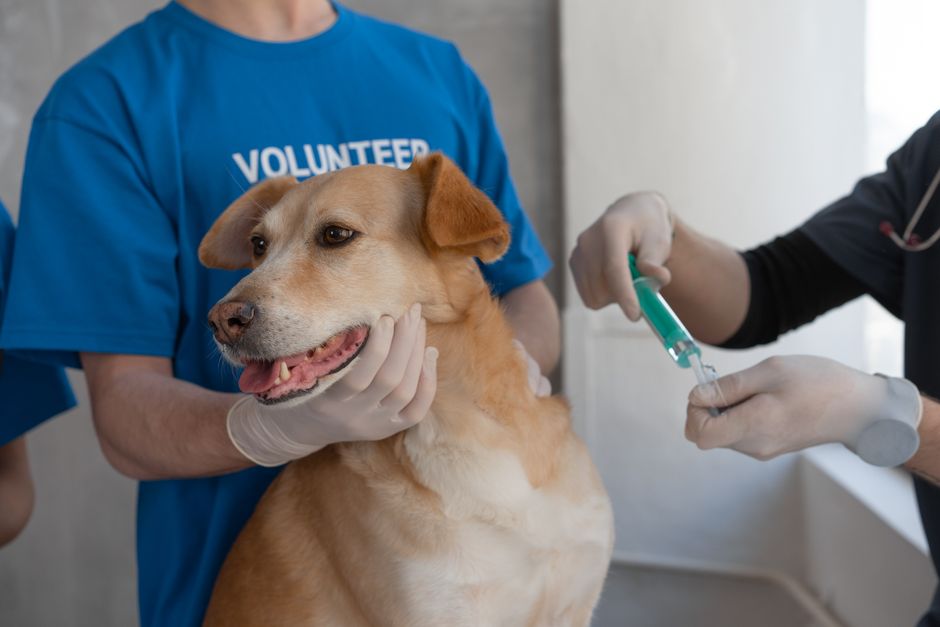
The kennel cough vaccine is not a single shot. It is a group of vaccines that target several bacteria and viruses that cause canine infectious respiratory disease complex, commonly called kennel cough. The most important target is Bordetella bronchiseptica, a bacterium responsible for many cases. There are three main types: an injectable vaccine, an intranasal spray or drops given up the nose, and an oral vaccine given by mouth. Side effects are generally mild and short-lived, including lethargy, mild fever, and nasal discharge, especially with the intranasal form.
What Exactly Is the Kennel Cough Vaccine?
The kennel cough vaccine is not a single product. It is a group of vaccines designed to protect dogs from the most common causes of kennel cough. Kennel cough itself is not caused by one germ. It is a syndrome caused by several different viruses and bacteria working together or alone.
The most common targets in these vaccines are Bordetella bronchiseptica (a bacterium) and canine parainfluenza virus (a virus). Some combination vaccines also include protection against canine adenovirus type 2 and canine distemper virus. The vaccine does not prevent all cases of kennel cough. It reduces the severity and duration of illness if a dog gets infected.
Veterinarians typically recommend the vaccine for dogs that spend time in group settings. This includes boarding kennels, doggy daycare, dog parks, training classes, and grooming salons. The American Animal Hospital Association (AAHA) considers it a core vaccine for dogs with these risk factors.
What Are the Different Types of Kennel Cough Vaccine?
There are three main delivery methods for the kennel cough vaccine. Each works differently and has its own pros and cons.
Injectable vaccine (shot): This is given under the skin. It contains killed Bordetella bacteria and often includes parainfluenza virus. It takes about one week to start working. It is the least likely to cause nasal discharge or sneezing. However, some studies suggest it may not provide as strong immunity in the nose and throat as the intranasal form. The injectable form is often combined with other routine vaccines like the DHPP (distemper, hepatitis, parainfluenza, parvovirus) shot.
Intranasal vaccine (spray or drops): This is given directly into the dog’s nostril. It contains live but weakened Bordetella bacteria and sometimes parainfluenza virus. It stimulates immunity right where the germs enter — the nasal passages and throat. Immunity develops faster, usually within 72 hours. This form is the most common choice for dogs that need quick protection before boarding. The main downside is that it can cause mild nasal discharge, sneezing, and occasional coughing for a few days after vaccination.
Oral vaccine (given by mouth): This is a liquid squirted into the dog’s cheek pouch. It also contains live weakened Bordetella. It is newer and less widely used than the other two forms. Studies show it works similarly to the intranasal vaccine but with possibly fewer side effects like sneezing. Some dogs may vomit or drool after receiving it.
Your veterinarian will choose the type based on your dog’s age, health, lifestyle, and how quickly protection is needed.
| Vaccine Type | How Given | Onset of Protection | Common Side Effects | Best For |
|---|---|---|---|---|
| Injectable | Shot under skin | 7-10 days | Mild lethargy, soreness at injection site | Routine care, combination with other vaccines |
| Intranasal | Spray or drops into nostril | 72 hours | Nasal discharge, sneezing, mild cough | Quick protection before boarding or events |
| Oral | Liquid in cheek pouch | 72-96 hours | Drooling, occasional vomiting | Dogs that dislike nasal sprays |
What Are the Common Side Effects of the Kennel Cough Vaccine?
Most dogs tolerate the kennel cough vaccine very well. Side effects are usually mild and go away on their own within a day or two. Serious reactions are rare.
The most common side effects depend on the vaccine type. With the intranasal vaccine, expect some sneezing and a clear nasal discharge for a few days. A mild cough can also happen. This is not the dog getting kennel cough from the vaccine. It is the immune system responding to the live weakened bacteria. The cough is usually short-lived and less severe than a real infection.
With the injectable vaccine, the most common side effect is mild lethargy. Your dog may seem tired or sleep more than usual for 24 to 48 hours. Some dogs develop a small, firm lump at the injection site. This usually goes away in a few weeks. A low-grade fever is also possible but rarely lasts more than a day.
With the oral vaccine, drooling and occasional vomiting are the most frequently reported side effects. These are generally mild and resolve quickly.
Serious allergic reactions are possible with any vaccine but are extremely rare. Signs include facial swelling, hives, difficulty breathing, vomiting, or collapse. If you see these signs, seek veterinary care immediately. The overall risk of a severe reaction is less than 1 in 10,000 doses, according to data from veterinary pharmacovigilance programs.



Does the Vaccine Actually Prevent Kennel Cough?
This is where many pet owners get confused. The kennel cough vaccine does not prevent all cases of kennel cough. No vaccine can do that because kennel cough is caused by multiple different germs.
The vaccine targets the most common bacterial cause, Bordetella bronchiseptica, and sometimes the parainfluenza virus. But there are other causes too. Canine adenovirus type 2, canine herpesvirus, and even the common cold virus (canine respiratory coronavirus) can all cause kennel cough symptoms. The vaccine does not cover those.
Research published in the Journal of the American Veterinary Medical Association found that the intranasal Bordetella vaccine reduces the risk of infection by about 50-70% in dogs exposed to the bacteria. More importantly, vaccinated dogs that do get sick have much milder symptoms. They cough less, for fewer days, and are less likely to develop pneumonia. The vaccine also reduces how much bacteria the dog sheds, which helps protect other dogs.
Think of it like the flu shot for humans. It does not guarantee you will not get the flu. But it makes it much less likely, and if you do get sick, it is usually a much milder illness. The same logic applies here.
How Often Does My Dog Need the Kennel Cough Vaccine?
Frequency depends on the vaccine type and your dog’s risk level. There is no single answer for every dog.
Injectable vaccine: This is usually given once a year. Some combination injectable vaccines that include Bordetella are given every three years for the other components but the Bordetella part still requires annual boosters. Check with your vet about the specific product used.
Intranasal and oral vaccines: These are typically given once a year for most dogs. However, many boarding facilities and doggy daycares require a booster every six months. This is because the immunity from the intranasal and oral forms can wane faster than the injectable form. The AAHA guidelines state that for dogs at continuous high risk (like those in boarding multiple times a year), every-six-month vaccination is reasonable.
Puppies can start the vaccine as early as 6 to 8 weeks of age. They need a booster 2 to 4 weeks later. After that, the schedule follows the adult recommendations. Your veterinarian will tailor the schedule to your dog’s specific lifestyle and health status.
What Are the Risks of Not Vaccinating?
The decision not to vaccinate has real consequences, especially for social dogs. Kennel cough is highly contagious. It spreads through airborne droplets from coughing and sneezing, direct contact with infected dogs, and contaminated surfaces like food bowls, bedding, and kennel runs.
An unvaccinated dog that spends time in group settings has a much higher chance of catching kennel cough. The illness itself is usually mild in healthy adult dogs. They cough for one to three weeks and then recover. But it can be more serious in puppies, older dogs, and dogs with pre-existing health conditions like collapsing trachea, bronchitis, or heart disease. In these cases, kennel cough can progress to pneumonia, which requires hospitalization and intensive treatment.
Beyond the health risk, many boarding kennels, doggy daycares, and training facilities require proof of current kennel cough vaccination. If your dog is not vaccinated, you may not be able to board them or use these services. This is a practical reality for most dog owners.
There is also the risk of spreading the infection to other dogs in your community. Even if your dog only has mild symptoms, they can still infect other dogs who may be more vulnerable. Vaccination is not just about protecting your own dog. It is about community health within the canine population.
Frequently Asked Questions
Can my dog get kennel cough from the vaccine?
No. The intranasal and oral vaccines contain live weakened bacteria that cannot cause a full infection. A mild cough or sneezing can occur as the immune system responds, but this is not kennel cough.
How long does the kennel cough vaccine last?
Protection from the intranasal and oral forms lasts about 6 to 12 months. The injectable form provides protection for about 12 months. Some boarding facilities require boosters every 6 months.
Is the kennel cough vaccine required by law?
No. It is not a legally required vaccine like rabies. However, many boarding kennels, doggy daycares, and training facilities require it as a condition of service.
Can I give my dog the kennel cough vaccine at home?
No. The kennel cough vaccine should only be given by a licensed veterinarian. They can properly assess your dog’s health, choose the right type, and monitor for any adverse reactions.
