
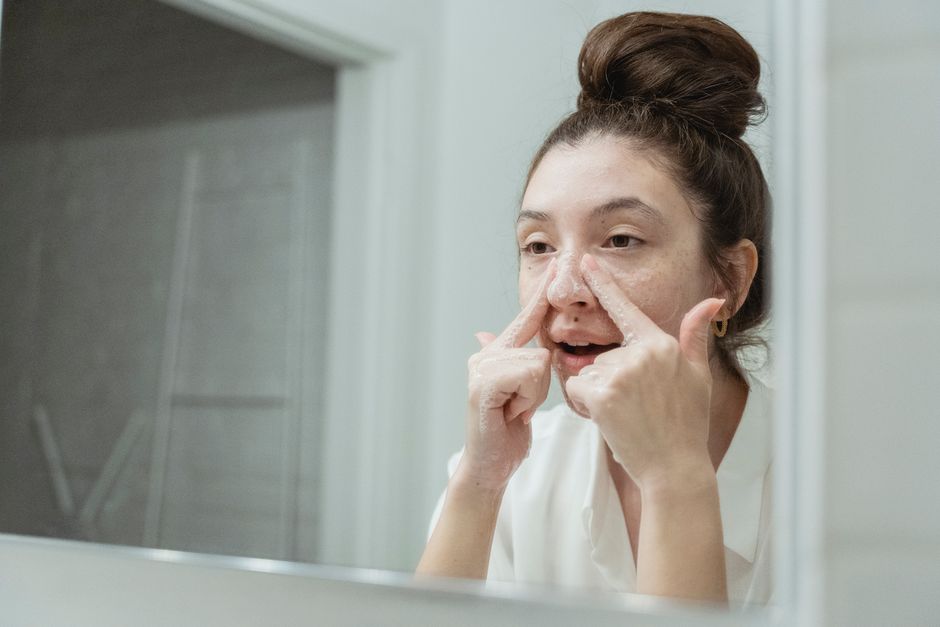
Alum is a mineral salt that has been used for skin care for centuries. You can use it on your face by wetting the crystal block and gently rubbing it over clean skin, leaving it on for 10-15 minutes, then rinsing with cool water. The main benefits include reducing acne, tightening pores, and controlling excess oil. Side effects can include dryness, irritation, and redness, especially if you have sensitive skin. This article explains the step-by-step process, the real evidence behind the benefits, and the risks you should know before trying it.
What Is Alum and How Does It Work on Skin?
Alum is not a single substance. It refers to a group of double sulfate salts. The most common type used for skin is potassium alum. You may know it as the crystal deodorant stone sold in natural health stores.
Alum works as an astringent. That means it causes skin tissues to contract. When you apply it to your face, it tightens the skin temporarily. This tightening effect is what makes pores look smaller and reduces the appearance of oil.
The antimicrobial properties of alum are what make it useful for acne. Research published in the Journal of Microbiology and Antimicrobials has found that alum can inhibit the growth of certain bacteria, including those linked to acne breakouts. This is not a cure for acne, but it may help reduce bacterial load on the skin surface.
It is important to understand that alum is not a modern skincare ingredient. It is an old remedy. People have used it for shaving nicks, underarm odor, and minor skin irritations for generations. The current interest in using it on the face is a revival of traditional practice, not a new discovery.
How To Use Alum On Face Steps Benefits Side Effects: A Step-by-Step Guide
Using alum on your face is straightforward but requires care. Follow these steps to minimize risk and get the most benefit.
First, choose the right form of alum. A solid potassium alum crystal is the safest option. Avoid alum powder unless you know exactly how to dilute it. Powder can be too strong and cause burns.
Wet the crystal block with cool or lukewarm water. Rub it gently between your fingers until you feel a slippery, soapy texture. Do not rub the dry crystal directly on your face. This can cause friction burns.
Apply the wet alum to clean, damp skin. Use gentle circular motions. Avoid the eye area and any open wounds or active acne that is weeping. Leave the alum on your face for 10 to 15 minutes. Do not leave it on longer. Some people report leaving it on overnight, but there is no evidence that this is safe or beneficial.
Rinse thoroughly with cool water. Pat your face dry with a clean towel. Follow with a moisturizer. Alum is drying, so skipping moisturizer can lead to tight, flaky skin.
Start with once per day, preferably in the evening. If your skin tolerates it, you can use it twice daily. Stop immediately if you feel burning or stinging beyond a mild tightening sensation.
What Are the Proven Benefits of Using Alum on Your Face?
The benefits of alum for facial skin are real but limited. It does not do everything that some online sources claim.
Oil control is the strongest benefit. Alum reduces sebum production temporarily. A study in the Journal of Cosmetic Dermatology found that astringents like alum can reduce skin surface lipids for several hours. This makes it useful for people with very oily skin.
Acne reduction is a secondary benefit. The antimicrobial effect helps lower bacteria on the skin. Combined with the drying effect, this can reduce mild to moderate acne. It will not work for cystic acne or hormonal breakouts that are rooted deeper in the skin.
Pore appearance improves temporarily. Alum does not actually shrink pores. Pores have no muscles to open or close. What happens is that the skin around the pore tightens, making the pore look smaller. The effect lasts for a few hours.
| Benefit | Strength of Evidence | Duration of Effect |
|---|---|---|
| Oil control | Strong (clinical studies) | 4-6 hours |
| Acne reduction | Moderate (lab studies) | Ongoing with regular use |
| Pore tightening | Weak (anecdotal only) | 2-4 hours |
| Skin lightening | None (no evidence) | N/A |
The claim that alum lightens skin or removes dark spots has no clinical evidence. Some people report this, but it is likely due to the exfoliating effect of the crystal, not any bleaching property of alum itself.





What Are the Side Effects and Risks of Using Alum on Your Face?
Alum is not risk-free. The side effects range from mild irritation to serious skin damage if used incorrectly.
Dryness and flaking are the most common side effects. Alum strips oil from the skin. If you have dry or combination skin, this can make your skin feel tight and look flaky. Using moisturizer helps but does not eliminate the risk.
Irritation and redness happen in about one in five users based on anecdotal reports. This is more likely if you have sensitive skin or if you leave alum on too long. The pH of alum is around 3.5, which is quite acidic. Healthy skin has a pH around 5.5. This acidity can disrupt your skin barrier over time.
Burns and chemical burns are rare but real. They happen when people use undiluted alum powder or rub the crystal too hard. The American Academy of Dermatology warns that astringents should never be used on broken skin. Alum on an open pimple can cause a small chemical burn that takes days to heal.
Aluminum absorption is a concern that people often ask about. The amount of aluminum absorbed through intact skin from alum is very small. The CDC states that aluminum salts in antiperspirants are not a health concern for most people. However, if you have kidney disease or are on dialysis, you should avoid alum entirely. Your body cannot clear aluminum efficiently.
Some people report stinging, itching, or a burning sensation during use. This is a sign to rinse off immediately. Do not try to push through the discomfort.
Who Should Not Use Alum on Their Face?
Alum is not for everyone. Some people should avoid it completely.
People with sensitive skin should be very cautious. If your skin reacts to fragrances, preservatives, or other active ingredients, alum will likely irritate it. Do a patch test on your inner arm for 24 hours before trying it on your face.
People with eczema or rosacea should not use alum. These conditions involve a compromised skin barrier. Alum’s acidity and astringent properties will make them worse. The National Eczema Association recommends avoiding astringents if you have eczema.
People with very dry skin will find alum uncomfortable. It removes oil that your skin needs to stay hydrated. You may end up with more fine lines and a dull complexion.
Pregnant and breastfeeding women should ask their doctor first. There is no evidence that topical alum is harmful during pregnancy, but there is also no research confirming its safety. When evidence is missing, caution is the better choice.
If you have any open cuts, active acne cysts, or sunburn, wait until your skin is fully healed before using alum. Applying it to damaged skin increases the risk of irritation and infection.
Common Misconceptions About Alum for Facial Skin
There are several myths about alum that need to be corrected.
Myth: Alum is a natural alternative to chemical skincare. Alum is a chemical compound. Natural does not mean safe. Poison ivy is natural. Arsenic is natural. The word natural has no bearing on safety or effectiveness.
Myth: Alum can permanently shrink pores. Pores do not have muscles. They cannot open and close permanently. Alum only creates a temporary tightening effect. Once you stop using it, pores return to their normal size.
Myth: Alum is safe to ingest or use in the mouth. Some people use alum as a mouth rinse or swallow it for various reasons. This is dangerous. Ingesting alum can cause nausea, vomiting, and aluminum toxicity. The FDA has not approved alum for internal use.
Myth: Alum works as well as benzoyl peroxide or salicylic acid for acne. Clinical studies on benzoyl peroxide show it kills acne bacteria effectively and reduces inflammation. Alum has weaker antimicrobial effects and no anti-inflammatory properties. For moderate to severe acne, standard treatments are more effective.
Myth: Alum deodorant and alum for face are the same product. They are chemically the same potassium alum crystal. But deodorant crystals are often larger and may have a rougher surface. Using a deodorant stone on your face can be too abrasive. Look for a smaller, smoother crystal labeled for facial use.
Frequently Asked Questions
Frequently Asked Questions
Can I use alum on my face every day?
Yes, but only if your skin tolerates it. Start with once daily and watch for dryness or irritation. Always use moisturizer afterward.
Does alum remove dark spots on the face?
No. There is no clinical evidence that alum lightens skin or fades dark spots. Any effect you notice is likely from gentle exfoliation.
Can alum cause permanent skin damage?
Rarely, but yes. Using undiluted alum powder or rubbing the crystal too hard can cause chemical burns that may leave scars. Always follow the proper steps.
Is alum safe for acne-prone skin?
It can be helpful for mild acne because it dries oil and reduces bacteria. For moderate or cystic acne, standard treatments are more effective and safer.
