
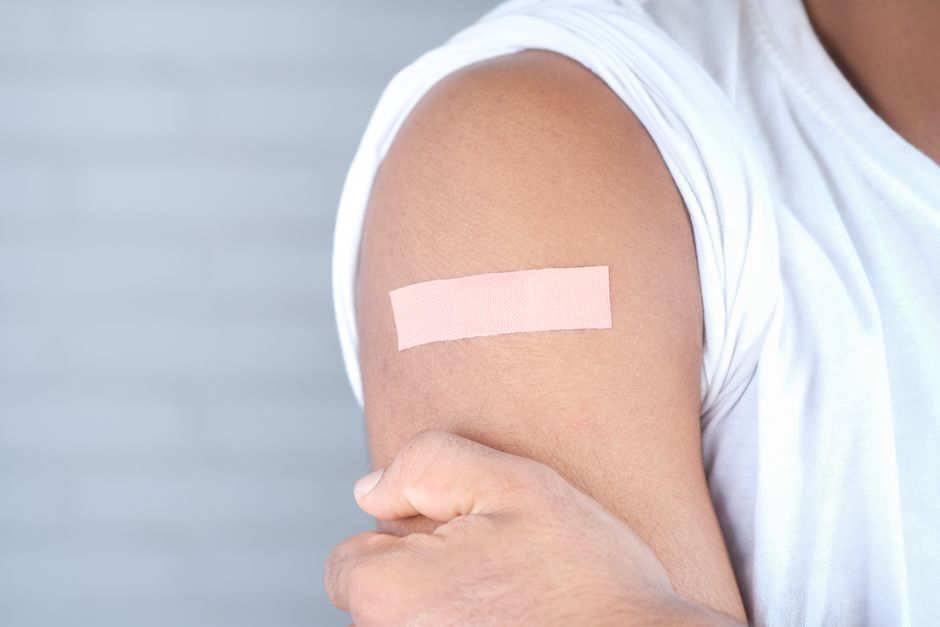
Getting a vaccine is a straightforward decision for most people, but the side effects that sometimes follow can make anyone pause. The good news is that you can take specific steps before and after your shot to reduce discomfort. The most effective approach focuses on hydration, rest, and managing local reactions with simple methods like moving your arm and using a cold compress. Avoiding pain relievers before the vaccine is recommended by the CDC because they might interfere with your immune response. After the shot, staying active and drinking plenty of fluids helps your body handle the immune response more smoothly.
Does How You Prepare Before the Shot Really Change Side Effects?
What you do in the 24 hours before your vaccine appointment matters more than most people realize. Research from the CDC and studies published in vaccine journals suggest that being well-hydrated reduces the severity of common side effects like headache and fatigue. Dehydration can make your body’s natural inflammatory response feel worse than it actually is.
Sleep is another factor that gets overlooked. A 2020 study in the journal Sleep found that people who slept less than six hours the night before a vaccine had a weaker antibody response. While this study focused on immune response rather than side effects directly, the link is clear. A tired body is more likely to feel run down after an immune challenge.
Eating a normal meal before your appointment is fine. There is no evidence that fasting or eating specific foods changes side effect severity. Some people report that a light meal helps with nausea, but this is individual. What matters most is that you are not hungry or overly full when you arrive.
What Does the Research Say About Taking Pain Relievers Before a Vaccine?
This is one of the most debated topics in vaccine care. The CDC advises against taking over-the-counter pain relievers like ibuprofen (Advil, Motrin) or acetaminophen (Tylenol) before a vaccine unless a doctor tells you to. The concern is that these drugs might blunt your immune response.
A 2009 study in The Lancet looked at children who received acetaminophen before vaccines. The researchers found that antibody levels were lower in the group that took the pain reliever. A more recent 2020 study in Vaccine confirmed similar findings in adults for some vaccines. The effect is not huge, but it is real enough that health authorities recommend waiting.
If you take these medications regularly for a chronic condition, do not stop without talking to your doctor. The advice applies mostly to people who are thinking about taking a pill just to prevent side effects. For most people, the best plan is to wait and see how you feel after the shot.
What Should You Do Immediately After Getting the Vaccine?
The first 15 minutes after the shot are about safety, not side effect management. You will be asked to wait at the clinic in case of a rare allergic reaction. Use this time to relax and breathe. Do not rush out.
Once you are home, the most effective step is to use your arm. Moving the injected arm through a full range of motion for a few minutes every hour reduces soreness significantly. A 2015 study in the Journal of Shoulder and Elbow Surgery found that gentle movement prevented stiffness and reduced pain scores. Do not overdo it, but simple arm circles or reaching overhead helps.
Cold compresses work well for local swelling and pain. Apply a clean cloth with ice or a cold pack to the injection site for 10 to 15 minutes at a time. Do this as often as needed during the first 24 hours. Heat is not recommended for the injection site because it can increase inflammation.
How To Minimize Vaccine Side Effects Before And After With Hydration and Rest
Hydration is the single most practical tool you have. The immune system works better when your body has enough fluid. Aim to drink water consistently throughout the day before and after your vaccine. A good target is about eight glasses of water spread across the day. Avoid alcohol for at least 24 hours after the shot because it dehydrates you and can worsen headache and fatigue.
Rest is not laziness. Your body is building an immune response, which takes energy. A 2019 study in Brain, Behavior, and Immunity found that people who slept less than seven hours after a flu vaccine had lower antibody levels compared to those who slept well. The same logic applies to side effects. If you feel tired, lie down. If you have a fever, let your body rest instead of pushing through your day.
Here is a quick comparison of what helps and what does not:
| What Helps | What Does Not Help |
|---|---|
| Drinking water before and after | Taking ibuprofen before the shot |
| Moving your arm gently | Massaging the injection site hard |
| Using a cold compress | Using a heating pad on the spot |
| Getting 7-9 hours of sleep | Drinking alcohol that day |
| Eating a normal diet | Fasting or extreme diet changes |
What About Managing Fever and Body Aches After the Shot?
Fever and body aches are signs that your immune system is responding. They are uncomfortable but usually harmless. If these symptoms bother you, it is safe to take acetaminophen or ibuprofen after the vaccine. The CDC supports this. The concern about blunting immune response applies mostly to taking these drugs before the shot, not after.
Wait until you actually have symptoms. Do not take medication just because you expect to feel bad. If you develop a fever over 101°F, drink extra fluids and rest. A lukewarm bath or cool cloth on your forehead can help bring the temperature down without medication. Avoid cold baths or alcohol rubs, which can cause shivering and make you feel worse.
Most vaccine side effects peak within 24 to 48 hours and resolve on their own. If a fever lasts longer than three days or you have trouble breathing, call your doctor. These situations are rare, but it is important to know the difference between normal side effects and something that needs medical attention.
Common Misconceptions About Vaccine Side Effects
One persistent myth is that eating certain foods like ginger or turmeric prevents side effects. There is no clinical evidence that any specific food reduces vaccine reactions. A balanced diet supports overall health, but it does not stop your arm from hurting or prevent a fever.
Another myth is that you should avoid exercise for days after the shot. Light to moderate activity is fine and may even help with muscle soreness. The exception is if you have a fever or feel very unwell. In that case, rest is better. But going for a walk or doing gentle yoga will not make side effects worse.
Some people believe that side effects mean the vaccine is working and no side effects mean it is not. This is not accurate. Research shows that people with no side effects still develop strong immunity. A 2021 study in JAMA Network Open found that antibody levels were similar between people who had side effects and those who did not. Your body’s response is individual, and lack of symptoms does not mean lack of protection.
What To Avoid After Your Vaccine
There are a few things that can make side effects worse or interfere with your recovery. Avoid strenuous exercise for the first 24 hours if you feel run down. Your body needs energy for the immune response. Pushing through a hard workout can leave you more fatigued than necessary.
Do not take multiple pain relievers at the same time unless a doctor tells you to. Combining ibuprofen and acetaminophen is sometimes recommended for severe pain, but it is not needed for vaccine side effects. Stick to one medication if you need it. Also, avoid drinking alcohol for at least 24 hours. It dehydrates you and can make headache and fatigue worse.
Finally, do not skip your second dose if you had a rough first one. Side effects from the second dose are often stronger, but they are still temporary. The protection you get from completing the series is far greater than the discomfort of a day or two. If you are worried, talk to your doctor beforehand so you have a plan.
Frequently Asked Questions
Can I take ibuprofen before my vaccine?
The CDC recommends against taking ibuprofen before a vaccine because it may lower your immune response. Wait until after the shot if you need pain relief.
How long do vaccine side effects usually last?
Most side effects like soreness, fatigue, and fever resolve within 24 to 48 hours. If symptoms last longer than three days, contact your doctor.
Does drinking water really help with side effects?
Yes, staying hydrated reduces the severity of headache and fatigue after a vaccine. Aim for eight glasses of water spread throughout the day.
Should I exercise after getting a vaccine?
Light exercise like walking is fine if you feel well. Avoid intense workouts if you have a fever or feel very tired.
