
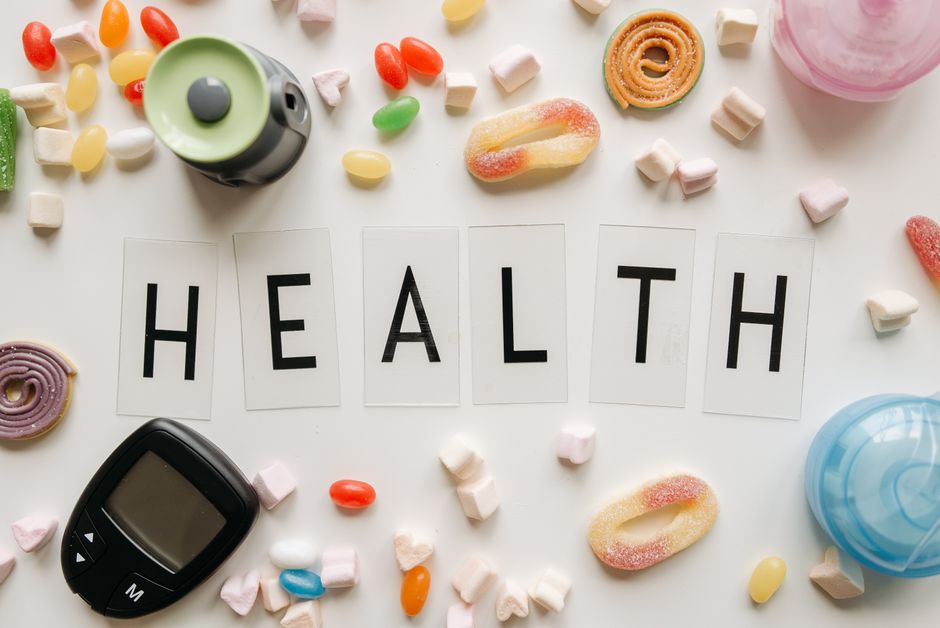
Blood sugar, or glucose, is the main sugar found in your blood. It comes from the food you eat and is your body’s main source of energy. The “highest blood sugar level” is not a single universal number. It depends on context, such as whether you are fasting, just ate a meal, or have diabetes. In general, a blood sugar reading of 250 mg/dL or higher is considered very high and requires attention. Readings above 600 mg/dL can lead to a life-threatening condition called hyperosmolar hyperglycemic state (HHS), which requires immediate emergency care.
What Is The Highest Blood Sugar Level Before It Becomes Dangerous?
There is no single number that triggers danger for everyone. However, medical guidelines use specific thresholds to define risk levels. A blood sugar level of 250 mg/dL or higher is a warning sign. At this point, your kidneys try to flush out excess sugar through urine, which causes frequent urination and dehydration.
When blood sugar climbs above 400 mg/dL, the risk of serious complications rises sharply. Levels above 600 mg/dL can cause a medical emergency. In people with type 2 diabetes, this condition is called hyperosmolar hyperglycemic state (HHS). In people with type 1 diabetes, very high blood sugar can lead to diabetic ketoacidosis (DKA) at lower levels, sometimes starting around 250 to 300 mg/dL.
The exact “highest” survivable blood sugar level is not a fixed number. Extremely high readings of 1,000 mg/dL or more have been recorded, but these are always medical emergencies with a high risk of coma or death. Any reading above 600 mg/dL requires immediate emergency medical attention.
What Do Blood Sugar Numbers Actually Mean?
Blood sugar is measured in milligrams per deciliter (mg/dL) in the United States. For people without diabetes, a normal fasting blood sugar is between 70 and 99 mg/dL. Two hours after a meal, it should be below 140 mg/dL.
For people with diabetes, target ranges are different. The American Diabetes Association generally recommends fasting blood sugar between 80 and 130 mg/dL and post-meal readings below 180 mg/dL. These are targets, not rules. Your doctor may set different goals based on your age, health conditions, and how long you have had diabetes.
Blood sugar levels are not static. They rise and fall throughout the day based on food, activity, stress, and medication. A single high reading does not mean you have diabetes, just as a single normal reading does not mean you are free from risk.
When Is High Blood Sugar Considered an Emergency?
High blood sugar becomes an emergency when it reaches levels that threaten organ function. For most people, this happens at readings of 400 mg/dL or higher. At this point, the blood becomes thick with sugar, pulling water out of your cells and causing severe dehydration.
There are two main emergency conditions caused by extremely high blood sugar:
- Diabetic ketoacidosis (DKA) — This happens mainly in type 1 diabetes when the body cannot use glucose for energy and breaks down fat instead. This produces acids called ketones. DKA can occur at blood sugar levels around 250 mg/dL or higher. It develops quickly, often within hours.
- Hyperosmolar hyperglycemic state (HHS) — This happens mainly in type 2 diabetes. Blood sugar rises very high, often above 600 mg/dL, without producing ketones. The blood becomes extremely concentrated, causing severe dehydration. HHS develops slowly, over days or even weeks.
Both conditions are medical emergencies. Without treatment, they can lead to seizures, coma, and death. If you have diabetes and your blood sugar is above 400 mg/dL, contact your healthcare provider immediately. If it is above 600 mg/dL, call 911 or go to an emergency room.



What Are the Warning Signs of Dangerously High Blood Sugar?
Your body gives clear signals when blood sugar is dangerously high. Recognizing these signs early can prevent an emergency. The symptoms of very high blood sugar include:
- Extreme thirst that does not go away
- Frequent urination, especially at night
- Dry mouth and cracked lips
- Blurred vision
- Fatigue and weakness
- Nausea and vomiting
- Confusion or difficulty concentrating
- Fruity-smelling breath (a sign of DKA)
- Rapid breathing
- Loss of consciousness
If you notice these symptoms and your blood sugar is high, do not wait. Check your blood sugar immediately. If it is above 400 mg/dL, seek medical help. If you have ketone test strips and your urine shows moderate or high ketones, this is an emergency even if your blood sugar is lower.
Why Does Blood Sugar Get So High?
Blood sugar rises when the body cannot move glucose into cells properly. In type 1 diabetes, the pancreas produces little or no insulin. Without insulin, glucose stays in the bloodstream. In type 2 diabetes, the body becomes resistant to insulin, or the pancreas does not produce enough of it.
Several factors can push blood sugar into dangerous territory:
- Missed doses of insulin or diabetes medication
- Eating large amounts of carbohydrates without enough medication
- Infections or illness, which raise stress hormones that increase blood sugar
- Stress, both physical and emotional
- Certain medications, such as steroids
- Dehydration, which concentrates the sugar in your blood
Illness is a common trigger for dangerous blood sugar spikes. When you are sick, your body releases stress hormones like cortisol and adrenaline. These hormones tell your liver to release stored glucose, which raises blood sugar even if you are not eating.
What Should You Do If Your Blood Sugar Is Extremely High?
If your blood sugar is above 400 mg/dL, follow your diabetes care plan. Many doctors recommend checking for ketones and drinking water to stay hydrated. Water helps your kidneys flush out excess sugar through urine. Do not exercise to lower blood sugar if it is above 250 mg/dL and you have ketones present. Exercise can actually push blood sugar higher.
If your blood sugar is above 600 mg/dL, or if you have symptoms like confusion, vomiting, or difficulty breathing, call 911 immediately. Do not drive yourself to the hospital. This is a life-threatening situation that requires intravenous fluids and insulin in a hospital setting.
If you take insulin, your doctor may have given you instructions for “sick day” doses or correction doses. Follow those instructions exactly. Do not guess at insulin doses. Taking too much insulin when your blood sugar is extremely high can cause a dangerous drop in blood sugar.
Can You Survive a Very High Blood Sugar Level?
Yes, people can survive extremely high blood sugar levels with prompt medical treatment. However, the outcome depends on how quickly treatment begins and whether other health conditions are present. Hospital treatment for HHS or DKA involves intravenous fluids, electrolyte replacement, and insulin. This treatment can bring blood sugar down safely over hours.
The key is that blood sugar must be lowered gradually. Rapid drops in blood sugar can cause brain swelling and other complications. This is why extremely high blood sugar is always treated in a hospital rather than at home.
Long-term, repeated high blood sugar causes damage to blood vessels and nerves. This damage can lead to heart disease, kidney failure, vision loss, and nerve damage. Keeping blood sugar in a healthy range over time is the best way to prevent these complications. The goal is not just to survive a single high reading but to prevent high readings from happening in the first place.
How Can You Prevent Blood Sugar From Reaching Dangerous Levels?
Prevention is always better than treatment. For people with diabetes, prevention starts with regular blood sugar monitoring. Check your blood sugar as often as your doctor recommends. Track your readings so you can spot patterns and catch problems early.
Take your medications exactly as prescribed. Do not skip doses, even if you feel fine. Set reminders if you need help remembering. If you use insulin, make sure you have enough supply and that it is stored properly.
Stay hydrated throughout the day. Dehydration makes high blood sugar worse. Water is the best choice. Avoid sugary drinks, which can cause rapid spikes in blood sugar.
Have a plan for sick days. Talk to your doctor about what to do when you are ill. Know when to check ketones and when to call for help. Being prepared can prevent a manageable situation from becoming an emergency.
Frequently Asked Questions
What blood sugar level causes a coma?
Blood sugar levels above 600 mg/dL can cause a diabetic coma, though the exact level varies by person. In type 1 diabetes, coma can occur at lower levels if ketoacidosis develops.
Is 300 blood sugar an emergency?
A blood sugar reading of 300 mg/dL is very high and requires prompt attention. Contact your healthcare provider immediately, check for ketones, and drink water. Seek emergency care if you have symptoms like vomiting, confusion, or difficulty breathing.
What is the highest blood sugar ever recorded?
An extremely high blood sugar reading of 2,656 mg/dL was reported in a medical case study, but this is not a standard reference. Any reading above 600 mg/dL is a medical emergency regardless of the highest recorded number.
Can drinking water lower high blood sugar?
Yes, drinking water helps lower blood sugar by helping your kidneys flush out excess glucose through urine. Water is helpful for mild to moderate high blood sugar but is not a treatment for levels above 400 mg/dL.
