
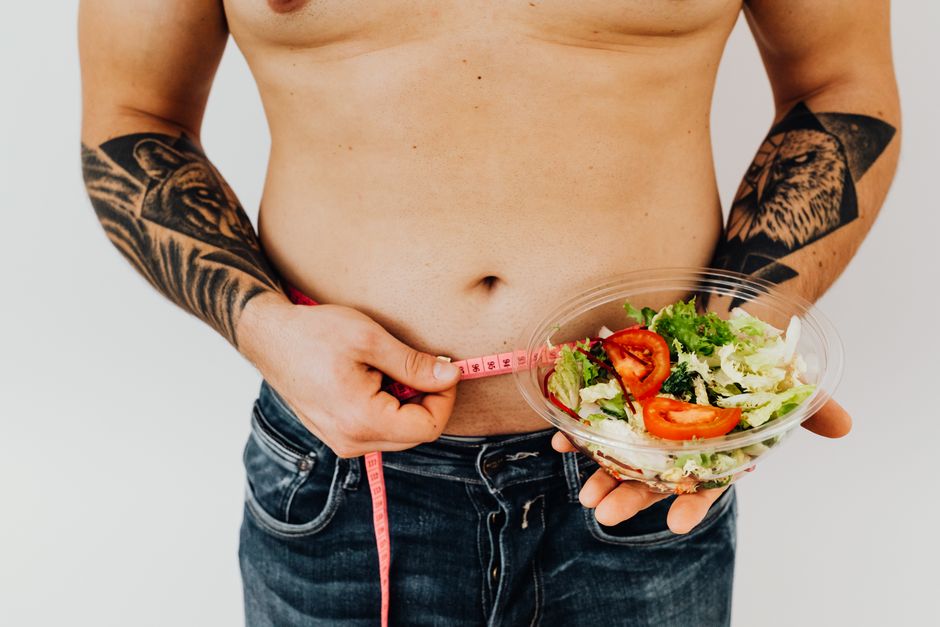
Weight loss comes down to eating fewer calories than your body burns. But the type of food you choose matters just as much as the number of calories. The healthiest foods for weight loss are whole, minimally processed foods that are high in protein, fiber, and water content. These foods keep you full longer, stabilize blood sugar, and provide the nutrients your body needs without excess calories.
What Makes a Food Healthy for Weight Loss?
Two main qualities make a food effective for weight loss: satiety and nutrient density. Satiety means how full and satisfied a food makes you feel. Nutrient density means how many vitamins, minerals, and beneficial compounds a food provides relative to its calorie count.
Foods high in protein and fiber score well on both measures. Protein reduces hunger hormones and increases hormones that signal fullness. Fiber slows digestion and adds bulk to meals without adding calories. Together, they help you eat less without feeling deprived.
Water content also matters. Many vegetables and fruits are mostly water, which adds volume to your plate without adding calories. A cup of cooked spinach has about 41 calories. A cup of rice has about 200 calories. You can eat far more spinach for the same calorie cost.
What Are the Healthiest Foods to Eat for Weight Loss?
No single food causes weight loss. But certain foods consistently appear in research on successful weight management. These foods share common traits: they are filling, nutritious, and relatively low in calories for their volume.
Leafy greens like spinach, kale, and Swiss chard are extremely low in calories and high in fiber. They also provide vitamin K, vitamin A, and folate. You can eat large portions for very few calories.
Lean proteins such as chicken breast, turkey, fish, eggs, and tofu help preserve muscle mass during weight loss. Muscle burns more calories than fat, even at rest. Protein also has a higher thermic effect than carbohydrates or fat, meaning your body burns more calories digesting it.
Legumes including lentils, chickpeas, black beans, and peas combine protein and fiber in one package. A half-cup of cooked lentils provides about 9 grams of protein and 8 grams of fiber for roughly 115 calories.
Whole grains like oats, quinoa, brown rice, and barley provide fiber and steady energy. Unlike refined grains, they do not cause rapid spikes and crashes in blood sugar. The fiber in whole grains also feeds beneficial gut bacteria.
Berries such as blueberries, strawberries, and raspberries are among the lowest-sugar fruits. They are high in fiber and antioxidants. Raspberries contain about 8 grams of fiber per cup.
Nuts and seeds are calorie-dense, so portion control matters. But they are also rich in healthy fats, protein, and fiber. Some studies suggest that eating nuts in moderation is associated with less weight gain over time compared with eating other calorie-dense snacks.
How Do Protein and Fiber Work Together for Weight Loss?
Protein and fiber affect your body through different mechanisms that complement each other. Protein increases the release of fullness hormones like GLP-1 and peptide YY. These hormones signal your brain that you have eaten enough. Fiber slows the emptying of your stomach, keeping food in your digestive system longer.
Together, they change how your body processes calories. A meal with adequate protein and fiber produces a slower, steadier rise in blood sugar. This avoids the insulin spike that comes from eating refined carbohydrates alone. Insulin spikes promote fat storage and trigger hunger a few hours later.
The practical effect is that meals built around protein and fiber keep you satisfied for four to five hours. Meals built around refined carbohydrates often leave you hungry within two hours. This difference makes it easier to maintain a calorie deficit without constant hunger.



Which Foods Should You Limit for Weight Loss?
Weight loss is not only about adding healthy foods. It also involves limiting foods that work against your efforts. These foods are not forbidden, but they should be a smaller part of your diet.
Sugar-sweetened beverages are the single largest source of added sugar in the American diet. Liquid calories do not trigger the same fullness signals as solid food. A 12-ounce can of regular soda contains about 150 calories, and most people do not eat less later to compensate.
Refined grains like white bread, white rice, and pasta made from white flour have had their fiber removed. They digest quickly, spike blood sugar, and leave you hungry sooner than whole grains.
Ultra-processed foods are engineered to be highly palatable. Research has shown that people eat more calories when offered ultra-processed foods compared with minimally processed foods, even when the meals are matched for calories, sugar, fat, and fiber. A well-known study from the National Institutes of Health found participants ate about 500 more calories per day on the ultra-processed diet.
Fried foods add significant calories through cooking oil. A medium order of french fries contains about 365 calories, mostly from fat. The same potato baked has about 160 calories.
How Much Protein and Fiber Do You Need?
General guidelines provide a useful starting point. The Recommended Dietary Allowance for protein is 0.8 grams per kilogram of body weight per day for adults. For a 150-pound person, that equals about 54 grams. However, many experts recommend higher protein intake during weight loss to preserve muscle mass.
Some research suggests that 1.2 to 1.6 grams per kilogram of body weight per day may be beneficial during weight loss. For a 150-pound person, that equals 82 to 109 grams per day. This is a target range used in clinical research, not an official guideline.
The Dietary Guidelines for Americans recommend 14 grams of fiber for every 1,000 calories consumed. For a 2,000-calorie diet, that equals 28 grams per day. Most Americans consume about half that amount.
These are general targets. Individual needs vary based on age, sex, activity level, and medical conditions. If you have kidney disease or other health conditions, talk to your doctor before significantly increasing protein intake.
Does Meal Timing Matter for Weight Loss?
Meal timing is less important than the total quality and quantity of food you eat. Your body does not have a specific clock that burns more calories at certain hours. What matters is your total calorie intake over days and weeks.
That said, meal timing can affect hunger and behavior. Eating regular meals with adequate protein and fiber can prevent extreme hunger that leads to overeating. Some people find that eating breakfast helps them control appetite throughout the day. Others prefer intermittent fasting and skip breakfast entirely.
Both approaches can work. The evidence does not show that one meal pattern is universally better for weight loss. The best approach is the one you can sustain consistently.
How Can You Build a Weight Loss Plate?
A simple visual guide can help you build balanced meals without counting every calorie. This approach is not a strict rule, but it provides a practical structure.
- Fill half your plate with non-starchy vegetables like leafy greens, broccoli, peppers, or cauliflower.
- Fill one quarter of your plate with lean protein like chicken, fish, eggs, tofu, or legumes.
- Fill the remaining quarter with whole grains or starchy vegetables like sweet potatoes or corn.
- Add a small amount of healthy fat such as olive oil, avocado, or nuts.
This structure automatically creates a meal that is high in fiber and protein and moderate in calories. It works for lunch and dinner. For breakfast, you can apply the same principle with eggs or Greek yogurt, fruit, and oats.
What Role Do Fruits and Vegetables Play?
Fruits and vegetables are the foundation of most healthy eating patterns. They provide vitamins, minerals, fiber, and water. They are also associated with lower body weight in observational studies.
Whole fruits are preferable to fruit juice. Juice removes the fiber and concentrates the sugar. A medium orange has about 62 calories and 3 grams of fiber. A cup of orange juice has about 112 calories and less than 1 gram of fiber. The whole fruit is more filling for fewer calories.
Vegetables are even lower in calories than fruits. Non-starchy vegetables average 15 to 30 calories per cup. They can be eaten in large quantities without significantly affecting your daily calorie intake.
Are All Calories the Same for Weight Loss?
Thermodynamically, a calorie is a calorie. Your body burns a certain number of calories each day, and weight loss requires consuming fewer calories than you burn. This principle holds true regardless of food source.
However, different foods affect your behavior and biology in different ways. Protein and fiber influence hormones that control hunger. Highly processed foods are designed to be easy to overeat. These differences make some foods practically better for weight loss even if the calories are mathematically equal.
A 200-calorie serving of chicken and vegetables will keep you full for hours. A 200-calorie serving of crackers may leave you hungry in 30 minutes. The first choice makes it easier to maintain a calorie deficit. The second makes it harder.
How Long Does It Take to See Results?
Healthy weight loss typically occurs at a rate of 1 to 2 pounds per week. This requires a calorie deficit of about 500 to 1,000 calories per day. This rate is supported by clinical guidelines and is more sustainable than rapid weight loss.
Results vary from person to person. Factors include starting weight, age, sex, activity level, and adherence to the eating plan. People with more weight to lose often see faster initial results. You may also lose water weight in the first week or two, which can make early progress appear faster than it will continue.
Focus on consistency rather than speed. A moderate deficit that you can maintain for months will produce better long-term results than an aggressive diet you abandon after two weeks.
Frequently Asked Questions
What is the single healthiest food for weight loss?
No single food causes weight loss. The most effective approach is a pattern of eating built around vegetables, lean protein, legumes, and whole grains, which together keep you full and provide essential nutrients.
How many calories should I eat to lose weight?
This depends on your age, sex, weight, and activity level. A common starting point is reducing your intake by 500 to 1,000 calories per day from your maintenance level, which typically produces 1 to 2 pounds of weight loss per week.
Can I eat carbs and still lose weight?
Yes. Whole grains and legumes provide fiber and steady energy and can be part of a weight loss diet. The key is choosing fiber-rich carbohydrates over refined ones like white bread and sugary snacks.
Do I need to count calories to lose weight?
No. Many people lose weight by focusing on food quality, portion sizes, and hunger signals. Calorie counting works for some people but is not required for everyone.
