
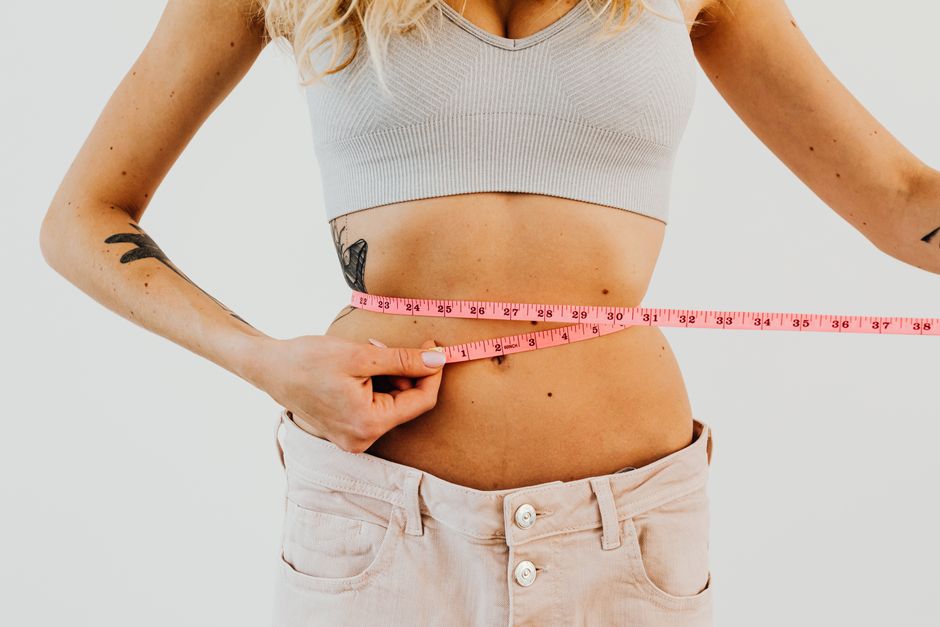
Yes, a 20-pound weight loss is noticeable for most people, especially if you are shorter or starting from a lower body weight. On a person of average height, 20 pounds typically changes how clothing fits, how the face looks, and how the body moves. The change is visible to others, though people who see you daily may not mention it until the change becomes more obvious.
How 20 Pounds Shows Up on Different Body Types
Where you lose weight and how visible the change is depends heavily on your starting point. A 20-pound loss on someone who weighs 300 pounds is a smaller percentage of their total body weight than on someone who weighs 160 pounds. The same 20 pounds creates a much more dramatic visual change on a smaller frame.
Body fat distribution also matters. Some people carry weight in their midsection, while others carry it in their hips, thighs, or arms. Losing fat from areas where you store the most tends to be the most visible. Genetics largely determine where fat comes off first, and you cannot control that order through diet or exercise.
Clothing size changes are often the clearest marker. A 20-pound loss frequently means dropping one to two pant sizes, depending on your height and build. Shirts fit looser across the chest and shoulders. Belts need to be tightened. Rings may feel looser on fingers.
What the Face and Body Changes Look Like
The face is often the first place people notice weight loss. Fat loss in the cheeks, jawline, and neck becomes visible at around 10 to 15 pounds for many people. By 20 pounds, facial changes are usually clear to anyone who has not seen you in a while.
Other visible changes at 20 pounds include:
- A flatter stomach and less visible love handles
- More defined collarbones and wrist bones
- Less fullness in the arms and thighs
- Reduced double chin appearance
- Better posture, partly because carrying less weight makes standing easier
These changes are not just cosmetic. Carrying 20 fewer pounds reduces the load on your knees, hips, and lower back. Everyday movements like walking stairs or bending down feel less effortful.
Is a 20 Pound Weight Loss Noticeable to Other People?
Research consistently shows that people notice weight changes at different thresholds depending on the observer and the starting weight of the person who lost weight. In general, a change of about 5 to 10 percent of total body weight becomes noticeable to others. For a 200-pound person, 20 pounds is exactly 10 percent. For a 150-pound person, 20 pounds is over 13 percent.
People who see you every day often do not notice gradual changes because they adapt to your appearance incrementally. This is sometimes called the “frog in boiling water” effect, but in reverse. Someone you see once a month or less will likely notice the change immediately. Coworkers you see daily may not say anything until you mention it or until the change crosses a larger threshold.
One non-obvious point: how you dress affects whether people notice. Loose clothing hides weight loss. Fitted clothing shows it. If you want to see and show the change, wearing clothes that fit your new shape makes the difference visible to both you and others.





Health Changes That Come With Losing 20 Pounds
The visible changes matter, but the internal changes are often more significant. A 20-pound loss can produce measurable improvements in blood pressure, blood sugar control, and cholesterol levels, especially for people who were overweight or obese to start.
Blood pressure often drops with weight loss because the heart no longer needs to pump blood through as much tissue. For people with elevated blood pressure, losing 5 to 10 percent of body weight is a well-established way to reduce readings. At 20 pounds, that effect is often clinically meaningful.
Blood sugar control improves through increased insulin sensitivity. Fat tissue, particularly around the abdomen, promotes insulin resistance. Losing that fat helps your cells respond to insulin more normally. Some people with prediabetes see their blood sugar return to normal ranges after significant weight loss.
Sleep quality frequently improves. Less weight around the neck reduces the risk of airway collapse during sleep, which is the mechanism behind obstructive sleep apnea. Even without a formal sleep apnea diagnosis, many people report deeper sleep and less snoring after losing 20 pounds.
How Long Does It Take to Lose 20 Pounds Safely?
Safe weight loss is generally considered to be 1 to 2 pounds per week. At that rate, 20 pounds takes 10 to 20 weeks, or roughly 3 to 5 months. Faster weight loss is possible but often involves muscle loss, gallstone risk, and a higher chance of regaining the weight.
To lose 1 pound per week, you need a daily calorie deficit of about 500 calories. That means eating 500 fewer calories per day, burning 500 more through activity, or a combination of both. This math is well established in the scientific literature, though individual metabolic rates vary.
Your starting weight affects the timeline. Someone who weighs 300 pounds may lose the first 20 pounds faster than someone who weighs 160 pounds because their daily calorie needs are higher. The heavier person can sustain a larger calorie deficit while still eating enough food to feel satisfied.
Why the Scale Is Not the Full Story
The scale measures total weight, which includes muscle, bone, water, and fat. A 20-pound loss could include significant muscle mass if you lost weight through severe calorie restriction without exercise. Muscle loss is not ideal because muscle burns calories at rest and supports physical function.
Body composition matters more than the number on the scale. Two people can both lose 20 pounds, but one may lose mostly fat while the other loses a mix of fat and muscle. The person who preserves muscle will look leaner and firmer at the same weight.
Resistance training helps preserve muscle during weight loss. Studies have found that combining strength training with a calorie deficit preserves lean mass better than diet alone. This does not mean you must lift weights to lose weight, but it helps you look better at the end.
Water weight can also confuse the picture. A low-carbohydrate diet causes rapid initial weight loss that is largely water, not fat. Your body stores glycogen with water, and when glycogen is depleted, the water goes with it. This is why people often lose 4 to 6 pounds in the first week of a low-carb diet. That initial drop is not fat loss.
What 20 Pounds Does Not Change
Losing 20 pounds does not automatically fix body image issues or guarantee happiness. Many people expect that reaching a lower weight will resolve long-standing dissatisfaction with their appearance. That expectation is often disappointed.
Loose skin can become noticeable after larger weight losses, though 20 pounds is usually not enough to cause significant loose skin for most people. Younger people and those who lost weight gradually tend to have better skin elasticity. If the skin was stretched for many years, some looseness may remain.
Weight loss also does not erase the underlying reasons weight was gained. Stress, sleep deprivation, medications, and medical conditions all influence body weight. If those factors are not addressed, the weight often returns.
The evidence is clear that intentional weight loss of this size improves many health markers. The psychological effects are more variable. Some people feel a strong sense of accomplishment. Others find that the emotional issues they expected to resolve with weight loss remain present.
Keeping the 20 Pounds Off
Losing the weight is one challenge. Keeping it off is another. Research suggests that most people who lose weight regain a portion of it within one to two years. This is not a personal failure. The body defends its weight through hormonal changes that increase hunger and reduce metabolic rate.
When you lose weight, levels of the hormone leptin drop. Leptin signals fullness to the brain. Lower leptin means more hunger. Ghrelin, the hunger hormone, often increases. Your body does not know the difference between intentional weight loss and starvation, so it responds as if you are starving.
Strategies associated with long-term weight maintenance include regular physical activity, consistent eating patterns, and monitoring weight on a regular basis. People who weigh themselves weekly tend to catch small gains before they become large ones. This is not obsessive behavior when done in a neutral, informational way.
Protein intake becomes more important during weight maintenance. Higher protein diets help preserve muscle and increase satiety. Aiming for a source of protein at each meal is a practical approach that most clinicians can support.
Frequently Asked Questions
Will people notice if I lose 20 pounds?
Most people will notice a 20-pound loss, especially if they have not seen you in a few weeks or months. Daily contacts may not notice until the change accumulates further.
How many dress or pant sizes is 20 pounds?
Most people drop one to two sizes with a 20-pound loss, depending on their height and where they carry weight. Shorter people often see larger size changes than taller people at the same weight loss.
Is losing 20 pounds in 2 months safe?
That rate of loss is faster than the recommended 1 to 2 pounds per week and may include muscle loss. Slower loss of 10 to 20 weeks is generally safer and more sustainable.
Will my face look different after losing 20 pounds?
Facial changes are usually visible at 20 pounds, particularly in the cheeks, jawline, and neck. The degree of change depends on where your body stores fat.
