
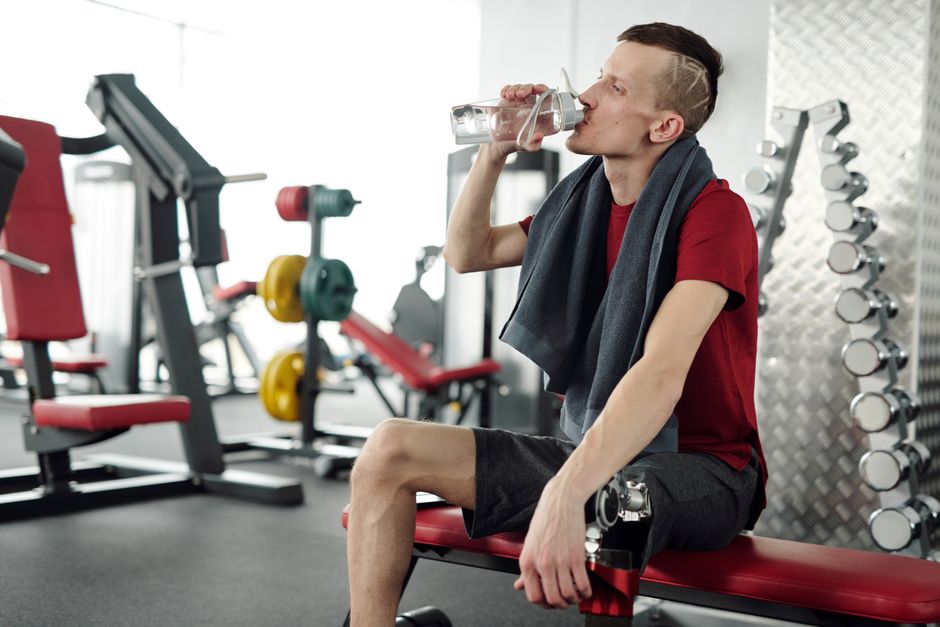
Drinking water before meals is one of the few weight loss strategies backed by consistent research. Studies show that adults who drink about two cups of water 30 minutes before a meal eat less and lose more weight over several months. The total daily amount varies by person, but a practical starting point is roughly 8 to 10 cups of fluid per day, with more needed on hot days or during exercise.
How Much Water Should I Drink for Weight Loss?
The question “how much water should I drink for weight loss” does not have a single perfect answer. Your body weight, activity level, and climate all change your needs. However, a widely used clinical guideline is the National Academy of Medicine recommendation of about 3.7 liters (roughly 15.5 cups) of total fluid per day for adult men and 2.7 liters (roughly 11.5 cups) for adult women.
That total includes fluids from food and other beverages, not just plain water. Most people get about 20 percent of their daily fluid from food. So a woman aiming for 11.5 cups of total fluid might need around 9 cups of beverages. A man might need around 12 to 13 cups of beverages.
For weight loss specifically, the timing matters as much as the total. Drinking two cups of water about 30 minutes before a main meal is the pattern most consistently linked to reduced calorie intake. This is not a magic trick. It simply fills the stomach partially, which can reduce hunger signals before you start eating.
Does Drinking Water Actually Boost Your Metabolism?
Some claims say water speeds up your metabolism and burns extra calories all day. The evidence for this is modest at best. A few small studies have shown a temporary increase in energy expenditure after drinking about 500 milliliters (roughly two cups) of water. That increase lasts about an hour and is small.
One frequently cited study found that drinking two cups of water increased metabolic rate by about 30 percent in healthy adults. But the effect was short-lived and the total calorie burn was tiny. You might burn an extra 20 to 30 calories. That is not enough to drive meaningful weight loss on its own.
What water does do is support the processes your body already uses to burn fat. Dehydration can reduce physical performance. If you exercise less intensely because you are dehydrated, you burn fewer calories. Staying well hydrated helps you maintain your normal activity level, which matters more than any direct metabolic boost.
How Water Before Meals Reduces Food Intake
The most reliable way water helps with weight loss is by reducing how much you eat at a meal. The mechanism is simple: water takes up space in your stomach. That physical fullness sends signals to your brain that reduce hunger.
Research on this is consistent. In studies of middle-aged and older adults, those who drank two cups of water before a meal consumed fewer calories at that meal compared to those who did not. One study followed participants for 12 weeks and found the water-drinking group lost significantly more weight. The effect was strongest in older adults, not younger ones.
This works best with plain water, not sugary drinks or juice. A caloric beverage adds calories before you even eat. Even diet sodas do not reliably produce the same fullness effect. Plain water is the most straightforward choice.
If you are under 40, the pre-meal water effect may be weaker. Younger adults do not always show the same reduction in food intake after drinking water before meals. The evidence is strongest for people over 40 or 50.




Signs You Are Drinking Enough Water
You do not need to track every ounce to stay well hydrated. Your body gives clear signals. Urine color is a practical indicator. Pale yellow or clear urine generally means you are well hydrated. Dark yellow or amber urine suggests you need more fluids.
Thirst is another signal, but it is not perfect. By the time you feel thirsty, you may already be mildly dehydrated. Older adults especially have a reduced thirst response. If you are over 60, rely more on regular fluid intake throughout the day rather than waiting for thirst.
Other signs of adequate hydration include regular urination every few hours, normal energy levels, and no headaches. Chronic low-level dehydration can cause fatigue, dry skin, and constipation. If you notice these symptoms and your urine is dark, increasing your water intake is reasonable.
Can You Drink Too Much Water?
Yes, but it is rare. Drinking excessive amounts of water in a short time can cause a condition called hyponatremia, where blood sodium levels drop dangerously low. This is most common in endurance athletes who drink large volumes of water without replacing electrolytes.
For a typical person trying to lose weight, this is not a realistic concern. Drinking 8 to 12 cups spread across the day is well within safe limits. The kidneys can process about 0.8 to 1 liter of water per hour in healthy adults. Drinking more than that continuously for hours could be a problem.
People with heart failure, kidney disease, or liver disease should talk to their doctor before significantly increasing fluid intake. These conditions can affect how your body handles water. Your doctor can give you a specific target that is safe for your situation.
Practical Ways to Drink More Water
If you struggle to drink enough water, small habits help more than big resolutions. Keep a water bottle on your desk or in your bag. Having water visible and within reach increases the chance you will drink it.
Set a simple pattern: one glass when you wake up, one before each meal, and one in the afternoon. That alone gets you to five or six glasses. Add water with snacks or after exercise and you are close to the daily target.
Plain water is the best choice, but it is not the only one. Unsweetened tea, sparkling water, and water with lemon or cucumber slices all count toward your fluid intake. Milk and small amounts of juice count too, but they add calories. Alcohol does not count the same way because it promotes fluid loss.
Do not rely on thirst alone. Build water into your routine the same way you build in meals. If you forget, set a phone reminder or use a marked water bottle with time goals.
What About Other Beverages and Weight Loss?
Replacing sugary drinks with water is one of the most effective single changes for weight loss. A regular soda contains about 150 calories. A 20-ounce bottle contains closer to 250 calories. Swapping one of those for water every day cuts about 1,000 calories per week without any other changes.
Diet drinks are a more complicated story. Some studies link them to weight maintenance, others to increased cravings. The evidence is mixed. If diet drinks help you avoid sugary beverages, they may be useful. But they do not provide the same fullness as plain water before meals.
Coffee and tea count toward fluid intake and have their own health benefits. Caffeine is a mild diuretic, but the fluid in these drinks more than compensates for any increased urine output. A moderate amount of coffee or tea is not dehydrating.
The bottom line: water is the zero-calorie, zero-additive choice that supports weight loss best. Other beverages are not automatically bad, but they either add calories or lack the evidence that plain water has for reducing meal intake.
Frequently Asked Questions
How much water should I drink per day for weight loss?
A common target is about 11.5 cups of total fluid for women and 15.5 cups for men, including fluids from food. For weight loss specifically, drinking two cups of water 30 minutes before meals is the most evidence-backed pattern.
Does drinking cold water burn more calories?
Drinking cold water burns a very small number of extra calories as your body warms it to body temperature. The effect is negligible and not a meaningful weight loss strategy.
Is it better to sip water throughout the day or drink large amounts at once?
Spreading water throughout the day is generally better for hydration and avoids the discomfort of drinking large volumes at once. Drinking two cups before meals is the one exception where a larger single amount is useful.
Can drinking more water reduce belly fat specifically?
No, you cannot target fat loss to one area of the body. Water helps with overall weight loss by reducing calorie intake and supporting normal physical activity, but it does not selectively reduce belly fat.
