
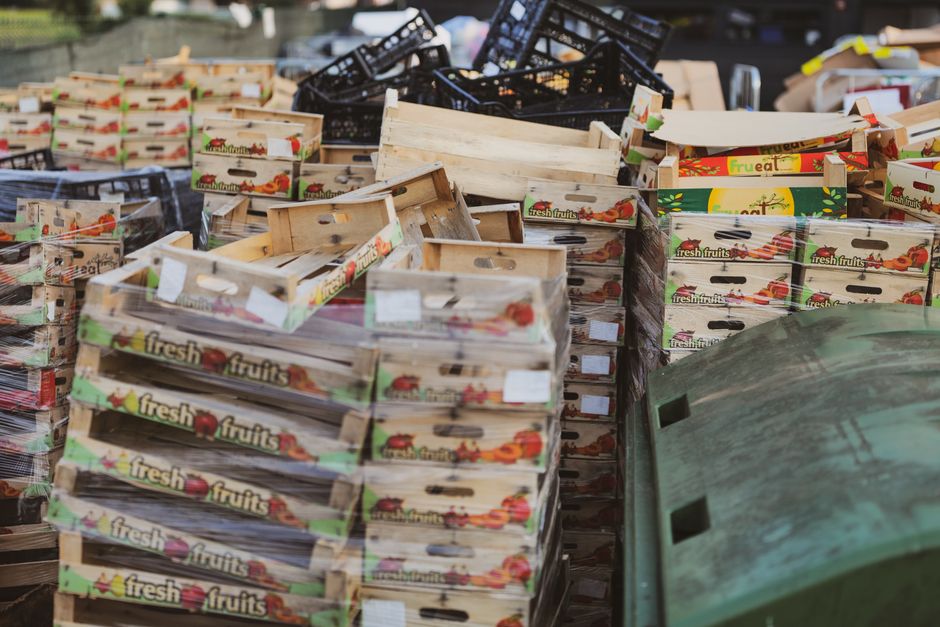
The food supply chain is the entire journey food takes from where it is grown or raised to the point where it reaches your plate. It includes every step, person, and process involved in getting food from farms to grocery stores, restaurants, and your home. This system covers production, processing, distribution, retail, and consumption, and each stage must work correctly to keep food safe and available.
What Are the Main Stages of the Food Supply Chain?
The food supply chain is often described in five main stages. Understanding these stages helps explain how a simple product like a loaf of bread or a carton of milk travels such a long distance before you buy it.
Production is the first stage. This is where farming happens. Crops are planted and harvested. Animals are raised for meat, dairy, and eggs. This stage also includes fishing and aquaculture. The people doing this work are farmers, ranchers, and fishers. They depend on seeds, feed, fertilizer, and equipment to do their jobs.
Processing is the second stage. This turns raw ingredients into food products. Wheat is milled into flour. Milk is pasteurized and packaged. Raw vegetables are washed, cut, and canned. Processing can be as simple as washing apples or as complex as making frozen dinners. The goal is to make food safe, shelf-stable, and convenient for consumers.
Distribution is the third stage. This moves food from processing facilities to places where people buy it. Food travels by truck, train, ship, and airplane. Warehouses and distribution centers store food before it reaches stores. Cold chains keep perishable items like meat and dairy at safe temperatures throughout this stage.
Retail is the fourth stage. This is where consumers purchase food. Grocery stores, supermarkets, farmers markets, and online grocery services are all part of retail. Retailers order food from distributors, stock it on shelves, and sell it to customers. Restaurants and food service companies also fall into this category because they buy food to prepare meals for customers.
Consumption is the final stage. This is when food reaches the consumer. It includes how food is stored at home, prepared, and eaten. Food waste also happens at this stage when food is thrown away or spoils before it can be eaten.
How Does Food Move From Farm to Store?
Food moves through the supply chain using a combination of transportation methods and storage systems. The path depends on the type of food and how perishable it is.
Fresh produce often moves quickly. A head of lettuce might be harvested in the morning, cooled within hours, and shipped to a distribution center the same day. From there, it goes to a grocery store within a day or two. This speed matters because lettuce spoils quickly.
Non-perishable foods move more slowly. Canned goods, dried pasta, and shelf-stable packaged foods can sit in warehouses for weeks or months. These products have long shelf lives, so the supply chain does not need to rush them to stores.
Temperature control is critical for many foods. Perishable items like meat, dairy, and frozen foods require refrigeration or freezing at every stage. This is called the cold chain. If the cold chain breaks, food can spoil or become unsafe. Temperature sensors and monitoring systems track conditions during transport and storage to prevent this.
Transportation routes are planned carefully. Distributors try to move food efficiently to reduce costs and spoilage. They consolidate shipments from multiple producers into single trucks going to the same region. This reduces the number of trips needed and lowers the environmental impact of moving food.
Why Is the Food Supply Chain Vulnerable to Disruption?
The food supply chain is complex, and this complexity creates vulnerabilities. A disruption at any stage can cause problems throughout the entire system.
Weather is a major factor. Droughts, floods, and extreme temperatures can damage crops and reduce harvests. A single severe weather event in a major growing region can affect food prices and availability nationwide. For example, a freeze in Florida can reduce the orange crop and raise juice prices across the country.
Labor shortages also disrupt the supply chain. Farms need workers to harvest crops. Processing plants need staff to run production lines. Trucking companies need drivers to move food. When any of these workforces shrink, food moves more slowly or not at all.
Transportation bottlenecks cause problems too. Ports can become congested. Rail lines can experience delays. Fuel price spikes increase shipping costs. These issues slow down food delivery and raise prices for consumers.
Disease outbreaks in livestock can shut down production. When animals get sick, entire herds may need to be culled. This reduces the supply of meat and dairy products. Processing plants may also close temporarily for cleaning and disinfection.
Global events can create cascading effects. A conflict in a major grain-producing region can reduce global wheat supplies. A pandemic can keep workers home and disrupt every stage of the chain simultaneously. These large-scale disruptions show how connected the global food system really is.





How Does Food Safety Fit Into the Supply Chain?
Food safety is built into every stage of the supply chain. Contamination can happen at any point, so safeguards exist throughout the system.
On farms, food safety starts with water quality and soil management. Farmers follow guidelines for using fertilizers and pesticides. They also train workers on proper hygiene and sanitation practices.
Processing facilities have strict protocols. Equipment is cleaned and sanitized regularly. Workers follow hand-washing procedures. Temperature controls prevent bacterial growth. Many facilities use metal detectors and other screening tools to catch physical contaminants before products ship.
During distribution, food safety depends on temperature control and proper handling. Refrigerated trucks maintain specific temperatures. Warehouse workers rotate stock to ensure older products ship first. This practice, called first-in-first-out, reduces the chance of food spoiling on shelves.
Retailers also play a role. Grocery stores train staff on proper food handling. They monitor refrigerator and freezer temperatures. They pull expired products from shelves. They follow procedures for cleaning up spills and preventing cross-contamination.
Government agencies oversee food safety across the supply chain. In the United States, the Food and Drug Administration regulates most food products. The Department of Agriculture regulates meat, poultry, and eggs. These agencies conduct inspections, set safety standards, and issue recalls when problems are found.
What Happens When the Supply Chain Breaks Down?
Supply chain disruptions produce visible effects for consumers. The most common result is empty shelves in grocery stores. When a specific product cannot reach stores, shoppers see gaps where that product should be.
Price increases are another common effect. When supply drops but demand stays the same, prices rise. This is basic economics. Consumers may pay more for the same products during disruptions. In some cases, prices stay high even after the disruption ends because it takes time for the system to recover.
Food waste increases during disruptions. When transportation is delayed, perishable food spoils before reaching stores. When processing plants close, harvested crops may rot in fields. This waste represents lost income for farmers and lost food for consumers.
Some disruptions cause hoarding behavior. When consumers see empty shelves, they may buy more than they need. This makes shortages worse. The cycle continues until supply catches up with demand.
Recovery takes time. A single disrupted stage can take weeks or months to return to normal. Crops damaged by weather cannot regrow overnight. Closed processing plants need time to reopen and ramp up production. Transportation networks need time to clear backlogs.
How Does the Food Supply Chain Affect Food Prices?
Food prices reflect the costs of every stage in the supply chain. When any stage becomes more expensive, those costs pass through to consumers.
Production costs include seeds, feed, fertilizer, fuel, and labor. When these costs rise, farmers charge more for their products. Fuel prices are especially important because they affect both farming and transportation.
Processing costs include energy, packaging, labor, and equipment maintenance. Processing plants use significant amounts of electricity and water. Packaging materials have their own supply chains and costs.
Transportation costs depend on fuel prices, driver wages, and vehicle maintenance. Longer shipping routes cost more. Refrigerated transport costs more than non-refrigerated transport because it uses additional fuel to maintain temperatures.
Retail costs include store rent, utilities, employee wages, and waste management. Grocery stores operate on thin profit margins. When their costs rise, they pass those increases to shoppers.
Consumer demand also affects prices. When demand is high, prices tend to rise. When demand drops, prices may fall. Seasonal factors matter too. Fresh produce is often cheaper during harvest season when supply is abundant.
What Can Consumers Do to Make the Supply Chain More Resilient?
Consumers cannot control the food supply chain, but they can take steps to reduce their own vulnerability to disruptions.
Buying local food reduces reliance on long-distance supply chains. Farmers markets and community-supported agriculture programs connect consumers directly with producers. These shorter supply chains have fewer stages where disruptions can occur.
Growing some food at home provides a backup source. Even a small garden can supply herbs, vegetables, or fruit. Container gardening works for people without yard space. Home food preservation, like canning and freezing, extends the usefulness of homegrown food.
Keeping a modest stock of non-perishable staples helps buffer against short-term shortages. Canned goods, dried beans, rice, pasta, and shelf-stable milk can cover gaps when fresh food is unavailable. A two-week supply is reasonable for most households.
Reducing food waste helps the entire system. When consumers waste less food, demand for new food drops slightly. This reduces pressure on the supply chain and saves money. Planning meals, using leftovers, and storing food properly all reduce waste.
Being flexible with purchases helps too. When one product is unavailable, trying alternatives reduces frustration and spreads demand across different foods. If a specific brand of canned tomatoes is missing, buying another brand or a different form of tomatoes keeps the meal plan on track.
Frequently Asked Questions
How long does food typically take to travel through the supply chain?
Fresh produce often reaches stores within days of harvest, while non-perishable items can take weeks or months.
What is the cold chain in food distribution?
The cold chain is the temperature-controlled system that keeps perishable foods refrigerated or frozen from production through retail.
Why do grocery store shelves sometimes run empty?
Empty shelves happen when a disruption at any supply chain stage prevents food from reaching stores in time.
Does buying local food really help the supply chain?
Buying local shortens the supply chain and reduces the number of stages where disruptions can occur.
