
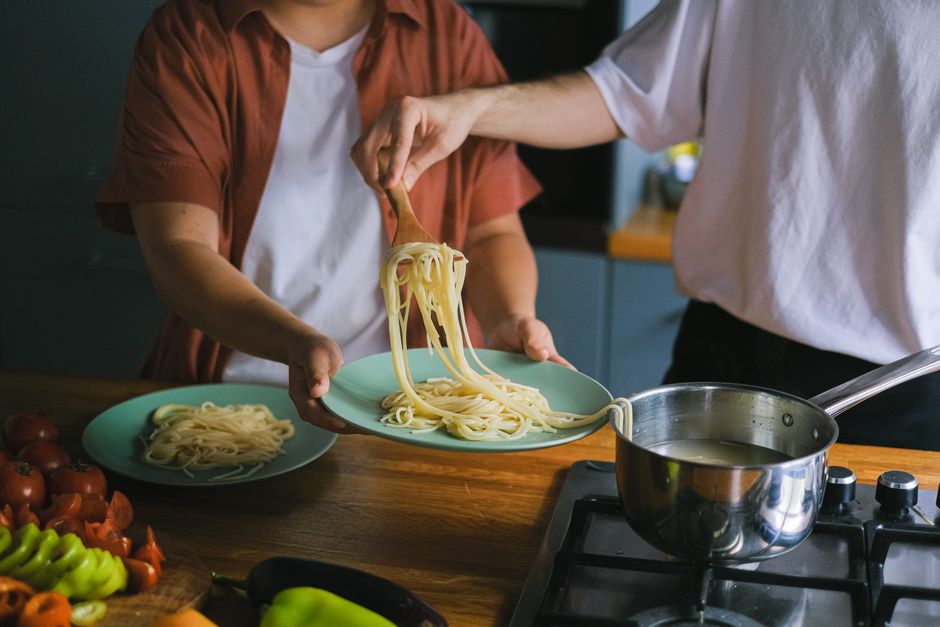
Yes, pasta is a processed food. Almost all pasta you buy has been milled, mixed with water or eggs, shaped, and dried before it reaches your kitchen. But processing is not automatically bad — the real question is what kind of processing and how much it changes the food.
What Does “Processed Food” Actually Mean?
Any food that has been altered from its natural state is processed. This includes everything from washed baby carrots to frozen vegetables to breakfast cereal. Processing includes simple steps like cutting, freezing, canning, milling, or adding ingredients.
Food classification systems often place pasta in the “processed” category but not in the “ultra-processed” category. Ultra-processed foods typically contain industrial additives, artificial flavors, or preservatives and bear little resemblance to whole foods — think soda, packaged snacks, and frozen pizza. Standard dried pasta, by contrast, usually contains just flour (or semolina) and water, sometimes eggs.
How Is Pasta Made?
Most dried pasta starts with durum wheat. The wheat is milled into a coarse flour called semolina. Water is added to make a dough, which is forced through a die to create different shapes. The shaped pasta is then dried at controlled temperatures to reduce moisture so it stays shelf-stable.
Fresh pasta follows the same basic steps but skips the long drying stage. It is refrigerated because it still contains moisture. Some fresh pasta includes eggs, which add richness and a slightly different texture.
Neither method is inherently unhealthy. The processing is mechanical, not chemical. No preservatives are required to make or store standard dried pasta.
Is Pasta Considered Highly Processed?
No — not when you look at the full spectrum of processed foods. Standard dried pasta is typically classified as a processed food, not an ultra-processed food. The distinction matters because ultra-processed foods have been linked to higher calorie intake and poorer diet quality in some studies. Regular pasta does not carry the same concerns.
The situation changes when you buy instant pasta meals or boxed macaroni and cheese. Those products often contain multiple additives, flavorings, and preservatives — and they fall into the ultra-processed category. The pasta itself is not the issue; the added ingredients are.




Does Processing Affect the Nutrition of Pasta?
Yes — but not always in a negative way. Milling wheat into flour removes the bran and germ, which contain most of the fiber and micronutrients. That is why white pasta has less fiber than whole wheat pasta.
However, many countries require or allow enrichment of refined wheat products. This means that iron, thiamin, riboflavin, niacin, and folic acid are added back after milling. Enriched pasta can provide these nutrients in amounts similar to or even higher than whole grains, though it still lacks the fiber content.
Whole wheat pasta retains the entire grain, so it provides naturally occurring fiber, B vitamins, and minerals. Cooking also changes nutrient availability — some vitamins decrease with heat, but starches become more digestible.
How Does Fresh Pasta Compare to Dried Pasta?
The main differences are moisture content and the presence of eggs. Fresh pasta usually contains eggs, which add protein, fat, and some vitamins. Dried pasta typically contains only semolina and water, though some brands add eggs.
Nutritionally, fresh and dried pasta are similar per serving when you account for the water. Dried pasta absorbs water during cooking, so a cup of cooked dried pasta has about the same calories and protein as a cup of cooked fresh pasta — though the egg version may have slightly more protein.
Fresh pasta cooks faster and has a softer texture. Neither is healthier by default; the choice depends on the rest of the meal.
What About Gluten-Free or Whole Wheat Pasta?
Both are still processed foods. Whole wheat pasta goes through the same milling, mixing, and drying steps as white pasta. The difference is that the whole grain is ground rather than refined, so the fiber and nutrients remain.
Gluten-free pasta is made from alternative flours such as rice, corn, quinoa, or legumes. These are also milled and processed. Some gluten-free pastas are higher in fiber (if made from lentils or chickpeas) while others are lower and have a different glycemic effect. The ingredient list matters more than the “gluten-free” label.
No type of pasta is “unprocessed.” But the variation in whole grain content, protein, and fiber can affect how it fits into a healthy diet.
How Can You Choose Healthier Pasta?
Check the ingredient list first. Simple pasta — with just one or two whole food ingredients — is your best option. Look for “100% whole wheat” or “durum wheat semolina” as the main ingredient. Avoid products with added sugars, sodium, or artificial colors unless they serve a specific dietary need.
Portion size is also important. A standard serving of pasta is about two ounces dry, which cooks to roughly one cup. That is less than many people eat in one meal. Loading up on vegetables, a moderate amount of protein, and a small amount of sauce makes the meal more balanced.
Remember that pasta itself is not a health villain. It is a source of carbohydrates for energy and, when enriched or whole grain, provides B vitamins and iron. The overall pattern of your diet matters far more than whether you eat pasta two or three times a week.
Frequently Asked Questions
Is pasta considered ultra-processed?
No, standard dried pasta is generally classified as a processed food, not ultra-processed. Instant pasta meals with added flavorings and preservatives are considered ultra-processed.
Is whole wheat pasta less processed than white pasta?
Whole wheat pasta undergoes the same mechanical processing steps. The difference is that the whole grain is used instead of refined flour, so it retains more fiber and nutrients.
Is fresh pasta healthier than dried pasta?
Nutritionally, they are very similar after cooking. Fresh pasta often contains eggs, which add protein, but the overall difference in a balanced meal is small.
Does cooking pasta at home count as processing?
Cooking is a form of processing, but it is different from industrial processing. Boiling pasta changes its digestibility and texture but does not introduce additives or alter it in the same way factory steps do.
