
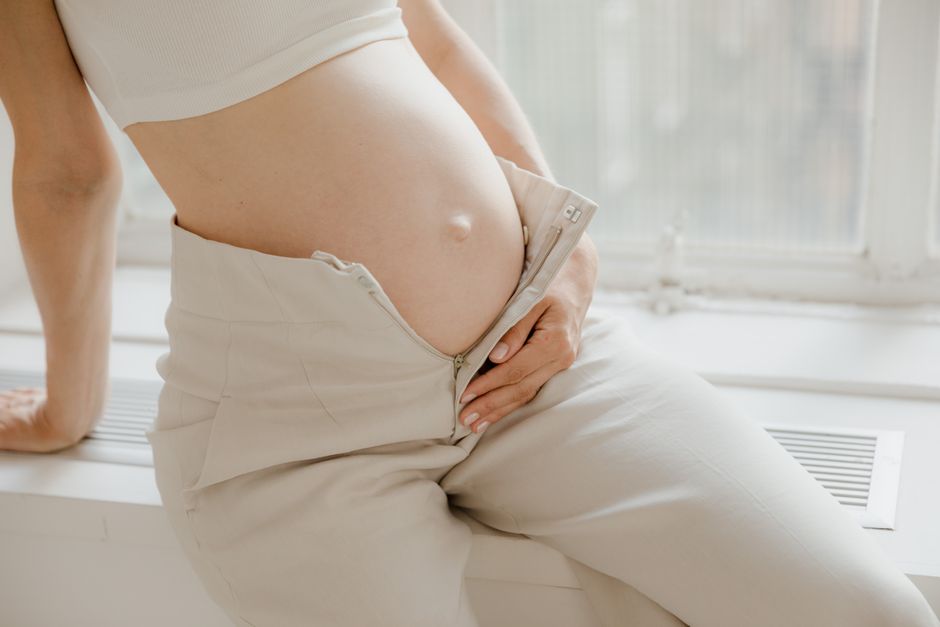
Pregnancy week 1 is not actually a week of pregnancy at all. It is the week of your last menstrual period, before ovulation and conception have even happened. Doctors and midwives date pregnancies from the first day of your last period, which means week 1 is really preparation, not pregnancy itself.
What Is The First Stage Of Pregnancy Weeks 1?
The first stage of pregnancy, weeks 1 through 12, is called the first trimester. But week 1 is unique because it starts before you are pregnant. Your healthcare provider counts week 1 from the first day of your last menstrual period. This standard method, called gestational age dating, has been used for decades because the exact date of conception is almost impossible to know.
During this week, your body is shedding the uterine lining from your previous cycle. At the same time, your ovaries are preparing to release a new egg. This process is driven by hormones like estrogen and follicle-stimulating hormone. The CDC reports that about 85% of women will conceive within one year of trying, and the first week of the pregnancy timeline marks the starting point for that countdown.
What happens during week 1 is that your body is essentially resetting. The egg that will eventually be fertilized is still developing inside one of your ovaries. It takes about two weeks from the start of your period for that egg to be released during ovulation. So week 1 is a waiting period, not a pregnancy period.
How Do Doctors Calculate Pregnancy From Week 1?
Doctors use a consistent formula that can confuse many people. The calculation starts on the first day of your last menstrual period, which is typically about two weeks before ovulation occurs. This means that when you are considered four weeks pregnant, conception likely happened only two weeks ago.
The American College of Obstetricians and Gynecologists explains that this method is standard because it relies on a date most women can remember. The exact day of fertilization is rarely known unless you are tracking ovulation with precision. Using the last menstrual period gives a consistent reference point for all pregnancies.
For women with irregular cycles, this calculation can be less accurate. If your cycles are longer than 28 days, ovulation may happen later than expected. In these cases, an early ultrasound is used to adjust the due date. The ultrasound measures the size of the embryo to estimate gestational age more precisely.
Here is a simple breakdown of how the weeks align:
| Event | Gestational Age | Time Since Conception |
|——-|—————–|———————-|
| First day of last period | Week 1 | Not pregnant yet |
| Ovulation | Week 2 | Not pregnant yet |
| Fertilization | Week 3 | 0 weeks |
| Implantation | Week 4 | 1 week |
| Missed period | Week 4-5 | 2 weeks |
This table shows why week 1 feels confusing. You are counted as pregnant before conception has occurred. It is a quirk of the dating system that every healthcare provider uses.
What Actually Happens in Your Body During Week 1?
During week 1, your body is in full menstrual flow. The uterine lining that built up during your previous cycle is being shed. This bleeding typically lasts three to seven days. After the bleeding stops, the lining begins to rebuild under the influence of rising estrogen levels.
Inside your ovaries, a group of follicles is competing to become the dominant one. Each follicle contains an egg. The follicle that grows fastest will eventually release its egg at ovulation. This process takes about two weeks from the start of your period.
Your brain’s pituitary gland is also active. It releases follicle-stimulating hormone, or FSH, which tells your ovaries to start maturing eggs. At the same time, luteinizing hormone levels are low. This hormone will surge right before ovulation to trigger egg release.
Research published in the journal Human Reproduction Update shows that the quality of the egg released depends partly on this early follicular phase. The environment inside the ovary during week 1 influences whether the egg will be healthy enough to fertilize and develop normally. This is why some fertility specialists focus on diet and lifestyle even before ovulation occurs.



Can You Take a Pregnancy Test During Week 1?
No pregnancy test can give a positive result during week 1. You are not pregnant yet. The hormone that pregnancy tests detect, human chorionic gonadotropin or hCG, is only produced after an embryo implants in the uterus. Implantation happens around week 4 of gestational age, which is about two weeks after conception.
Taking a test during week 1 will give a negative result because there is no hCG in your body. This is a common source of confusion. Many women test early because they do not realize the pregnancy clock starts before conception.
Home pregnancy tests are most accurate after you miss your period. The FDA reports that most home tests are about 99% accurate when used on the day of your missed period. Testing earlier increases the chance of a false negative because hCG levels may still be too low to detect.
If you are trying to conceive, it is best to wait until at least the first day of your missed period. Testing earlier wastes money and can cause unnecessary stress. Some women report getting faint positives a day or two before their missed period, but this is not reliable for everyone.
What Are the Common Symptoms During Week 1 of Pregnancy?
There are no pregnancy symptoms during week 1 because pregnancy has not started. The symptoms you might feel are actually symptoms of your period. Cramping, fatigue, bloating, and mood changes are all normal menstrual symptoms. They are caused by the drop in progesterone that triggers your period to start.
The confusion happens because many early pregnancy symptoms overlap with premenstrual symptoms. Breast tenderness, fatigue, and nausea can occur in both situations. This makes it nearly impossible to tell the difference based on symptoms alone.
Some women report feeling “different” during the cycle they conceive, but strong evidence for this is limited. A study published in the journal Fertility and Sterility found that women who tracked their symptoms closely could not reliably predict pregnancy before a positive test. The overlap between PMS and early pregnancy symptoms is simply too large.
If you are trying to conceive, tracking your cycle with an app or calendar can help you understand your patterns. But do not rely on symptoms to tell you whether you are pregnant. The only reliable way to know is a positive pregnancy test after a missed period.
What Should You Do During Week 1 If You Are Trying to Conceive?
Week 1 is the best time to start healthy habits for the cycle ahead. Since the egg that will be released is developing right now, your body needs good nutrition and stable blood sugar. Focus on whole foods, plenty of vegetables, lean protein, and healthy fats.
Start taking a prenatal vitamin if you have not already. The CDC recommends that all women who could become pregnant take 400 micrograms of folic acid daily. This reduces the risk of neural tube defects by up to 70%. Folic acid works best when started before conception.
Avoid alcohol, smoking, and recreational drugs during this time. These substances can affect egg quality and hormone balance. The CDC states that there is no known safe amount of alcohol during pregnancy, and avoiding it entirely during the preconception period is wise.
Track your cycle to know when you ovulate. Ovulation typically happens about 14 days before your next period. If your cycles are regular, ovulation occurs around day 14 of a 28-day cycle. If your cycles are irregular, ovulation predictor kits can help identify your fertile window.
Here are practical steps to take during week 1:
These steps do not guarantee conception, but they create the best environment for a healthy egg and eventual pregnancy.
Frequently Asked Questions
Can you be pregnant during week 1?
No. Week 1 is the week of your period, before ovulation and conception occur. You are not pregnant during this time.
Why do doctors count pregnancy from week 1 if you are not pregnant?
Doctors use the first day of your last period because it is a date most women can remember. This standard method gives a consistent reference for all pregnancies.
What is the difference between gestational age and fetal age?
Gestational age counts from the first day of your last period. Fetal age counts from conception, which is about two weeks later. Gestational age is what doctors use.
When should you take a pregnancy test after week 1?
Wait until the first day of your missed period. Testing earlier increases the chance of a false negative because hCG levels may be too low to detect.
