
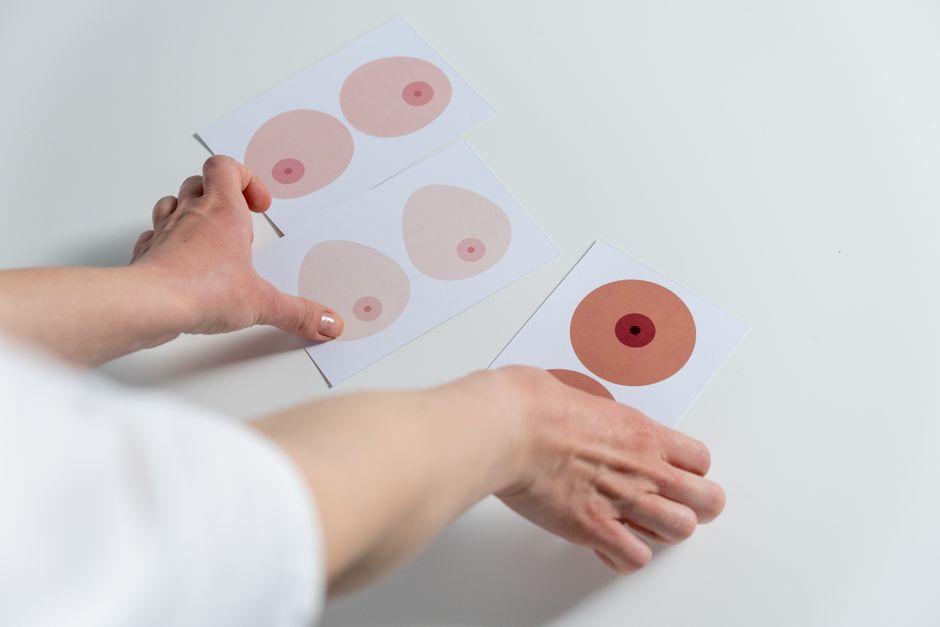
Nipple pain can be confusing, especially when you are waiting to see if you are pregnant or just expecting your period. The short answer is yes, nipple pain can be a sign of both pregnancy and an upcoming period, but there are key differences in timing, sensation, and other symptoms that can help you tell them apart. Understanding what is actually happening in your body will give you a clearer picture than guessing alone.
What Causes Nipple Pain Before a Period?
Nipple pain before your period is very common. The medical term for it is mastalgia, and it affects most women at some point in their lives. The cause is directly linked to hormone changes that happen in the second half of your menstrual cycle.
After ovulation, your body produces more progesterone. This hormone causes the milk ducts and glands in your breasts to swell. The swelling puts pressure on surrounding tissue and nerve endings, which leads to tenderness, soreness, or a heavy feeling. The pain usually starts about one to two weeks before your period begins and goes away within a day or two after bleeding starts.
Research published in the journal Obstetrics & Gynecology found that cyclic breast pain, which follows this monthly pattern, is the most common type of breast pain. It typically affects both breasts equally and is often described as a dull ache or heaviness rather than a sharp pain. The nipples themselves may feel sensitive to touch, but the pain is usually spread across the whole breast area.
How Is Pregnancy Nipple Pain Different?
Pregnancy nipple pain has a distinct pattern that sets it apart from period-related pain. The key difference is that pregnancy pain often persists or even gets stronger after your missed period, while period pain fades once bleeding starts.
During early pregnancy, your body produces much higher levels of both estrogen and progesterone. These hormones prepare your breasts for milk production. The areolas, the dark area around your nipples, often darken and widen. The nipples themselves may become more erect or stick out more than usual. Many women report a tingling, burning, or shooting sensation in the nipples that feels different from the dull ache of premenstrual pain.
A study in the journal Fertility and Sterility looked at early pregnancy symptoms and found that breast tenderness was one of the most commonly reported signs. However, the study noted that the intensity and specific location of the pain mattered. Women who became pregnant were more likely to report nipple sensitivity specifically, rather than general breast heaviness.
Can You Tell the Difference by Timing Alone?
Timing gives you useful information, but it is not foolproof. The chart below shows the typical timeline for each condition.
| Timing | Period-Related Nipple Pain | Pregnancy-Related Nipple Pain |
|---|---|---|
| 1-2 weeks before expected period | Common, often starts gradually | Can start this early, but less predictable |
| Around missed period date | Pain usually peaks and then fades | Pain often continues or intensifies |
| After period starts | Pain typically resolves within 1-2 days | Pain persists because no period arrives |
| Duration | Lasts 5-14 days total | Can last weeks or months |
The most reliable timing clue is what happens after your expected period date. If your period arrives and the pain goes away, it was likely cycle-related. If your period does not come and the pain continues or gets worse, pregnancy becomes a real possibility. However, some women have irregular cycles, which makes timing less reliable. Using a period tracking app can help you see patterns over several months.



What Other Symptoms Should You Look For?
Nipple pain rarely happens alone. Looking at the full picture of your symptoms gives you a much better idea of what is going on. Here are the symptoms that tend to cluster with each condition.
Symptoms more common with an approaching period:
- Bloating and water retention
- Mood swings, irritability, or anxiety
- Fatigue that improves once bleeding starts
- Food cravings, especially for salty or sweet foods
- Acne breakouts
- Lower back pain or cramping that comes and goes
Symptoms more common with early pregnancy:
- Nausea or vomiting, often called morning sickness
- Extreme fatigue that does not improve
- Implantation bleeding, which is light spotting about 6-12 days after conception
- Frequent urination
- Darkening of the areolas
- Food aversions, especially to strong smells like coffee or meat
Some symptoms overlap. Fatigue and bloating can happen in both situations. The most differentiating symptoms are nausea, which is rare before a period, and implantation bleeding, which does not happen in a normal cycle. If you have nipple pain along with nausea or spotting, pregnancy is a stronger possibility.
What Does the Research Say About Nipple Pain as a Pregnancy Sign?
The research is clear that nipple pain alone is not a reliable way to confirm pregnancy. A large study published in the Journal of Obstetric, Gynecologic & Neonatal Nursing looked at how accurate women were at identifying early pregnancy signs. The study found that breast tenderness had only moderate accuracy. Many women who were not pregnant reported the same symptom.
Another study in the British Journal of General Practice followed women trying to conceive. They tracked daily symptoms and compared them to pregnancy test results. The researchers found that breast tenderness was reported by 45% of pregnant women but also by 35% of non-pregnant women. This means the symptom is common in both groups and cannot be used alone to make a diagnosis.
What the research does show is that the pattern of symptoms matters more than any single symptom. Women who had nipple pain plus nausea plus fatigue were much more likely to be pregnant than women who had only nipple pain. The combination of symptoms, especially when they persist beyond the expected period date, is a stronger indicator than any one sign.
What Should You Do If You Have Nipple Pain?
If you have nipple pain and are unsure whether it is pregnancy or your period, the most reliable step is to wait until after your missed period and take a home pregnancy test. These tests are accurate when used correctly. Most can detect pregnancy hormones as early as the first day of a missed period.
While you wait, there are safe ways to manage the discomfort. Wearing a supportive bra, even during sleep, can reduce movement and pressure. Some women find that a soft cotton bra without underwire is more comfortable. Applying a warm compress or taking a warm shower can relax the tissue. Over-the-counter pain relievers like acetaminophen are generally safe, but check with your doctor if you think you might be pregnant. Avoid ibuprofen if pregnancy is possible, as it is not recommended during pregnancy.
If the pain is severe, only on one side, or accompanied by a lump, redness, or discharge, see a healthcare provider. These signs are not typical for either pregnancy or period pain and may indicate an infection or other condition. Nipple pain that persists for weeks without any other pregnancy symptoms also warrants a medical check.
Common Misconceptions About Nipple Pain and Pregnancy
There are several viral claims about nipple pain that are not backed by evidence. One common myth is that the side of the nipple pain can predict the baby’s sex. Some people say left-sided pain means a boy and right-sided means a girl. There is no scientific basis for this claim. Hormone levels do not differ based on fetal sex in early pregnancy.
Another myth is that nipple pain during ovulation is a definite sign of pregnancy. Ovulation pain and pregnancy pain are separate events. Ovulation itself can cause mild breast tenderness due to the surge in estrogen, but this happens about two weeks before a missed period. Nipple pain at ovulation does not reliably predict pregnancy.
Some online sources claim that nipple discharge, especially colostrum, is an early pregnancy sign. This is misleading. Colostrum production typically starts in the second trimester, not in the first few weeks. Any discharge in very early pregnancy is rare and should be evaluated by a doctor.
Frequently Asked Questions
Can nipple pain start immediately after conception?
Nipple pain usually does not start immediately after conception. It typically begins about one to two weeks after conception, around the time of a missed period.
Is nipple pain worse in one breast during early pregnancy?
Some women report one breast being more tender than the other, but nipple pain in early pregnancy usually affects both breasts. One-sided pain should be checked by a doctor.
Can stress cause nipple pain that feels like pregnancy?
Stress can affect hormone levels and may worsen breast pain, but it does not directly cause the specific nipple changes seen in pregnancy. Stress-related pain is usually more general.
How long after nipple pain should I take a pregnancy test?
Wait until the first day of your missed period for the most accurate result. Testing too early can give a false negative because pregnancy hormone levels may still be low.
