

When you get a blood pressure reading, you see two numbers, like 120/80. The first number is your systolic blood pressure. It measures the pressure in your arteries when your heart beats and pushes blood out. The second number, called diastolic, measures the pressure between beats when your heart rests. The systolic number matters a lot because it is the strongest predictor of heart attack and stroke risk, especially as you age.
What does the systolic number actually measure?
Your heart works like a pump. Each beat forces blood into your arteries. That force pushes against the artery walls. The systolic number captures that peak pressure at the exact moment of the heartbeat.
Think of a garden hose. When you turn the faucet on full, the water pressure inside the hose spikes. That spike is systolic pressure. When you turn it down, the pressure drops but never reaches zero. That lower level is diastolic pressure.
In a healthy adult, the systolic number normally stays between 90 and 120 mmHg. A reading of 120 or lower is considered normal. The mmHg stands for millimeters of mercury, the standard unit for measuring blood pressure.
Why the first number matters more as you age
For decades, doctors focused heavily on the diastolic number, especially in younger patients. Research changed that view. Studies now show that systolic blood pressure is the stronger predictor of cardiovascular events like heart attacks and strokes in people over 50.
The reason is arterial stiffness. As arteries age, they lose elasticity. They become stiffer and less able to absorb the force of each heartbeat. That stiffness drives the systolic number up even when the diastolic number stays normal.
A common pattern in older adults is isolated systolic hypertension. This means the systolic number is 130 or higher while the diastolic stays below 80. This condition is common and carries real risk. It is not a harmless part of aging.
What is a normal first number?
Blood pressure categories are standardized. The American College of Cardiology and the American Heart Association define them clearly.
- Normal: Systolic below 120 and diastolic below 80
- Elevated: Systolic 120–129 and diastolic below 80
- Stage 1 hypertension: Systolic 130–139 or diastolic 80–89
- Stage 2 hypertension: Systolic 140 or higher or diastolic 90 or higher
- Hypertensive crisis: Systolic above 180 or diastolic above 120
These categories apply to adults measured in a clinical setting. A single high reading does not mean you have hypertension. Blood pressure fluctuates throughout the day with activity, stress, and even the time of day. Diagnosis usually requires multiple readings on separate occasions.
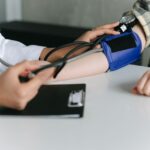
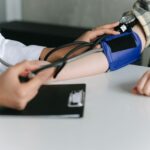
Home monitoring can be helpful. If you measure at home, use a validated cuff and follow the instructions carefully. Sit quietly for five minutes first. Place the cuff on a bare arm at heart level. Take two readings one minute apart and record both.



Why does the first number rise with age?
Blood pressure changes are not random. They follow predictable patterns tied to the aging cardiovascular system.
Large arteries like the aorta gradually stiffen over decades. This happens due to changes in the vessel wall, including collagen buildup and loss of elastic fibers. Stiffer arteries cannot expand as easily when blood enters them. So the pressure inside them rises higher during each heartbeat.
This explains why systolic pressure tends to climb steadily through adulthood. Diastolic pressure often rises until around age 50, then plateaus or even declines. The widening gap between the two numbers is a normal age-related pattern, but a systolic number above 130 is still a health concern.
Lifestyle factors accelerate this process. Smoking, poor diet, physical inactivity, and chronic stress all contribute to arterial stiffness. Genetics play a role too, but they do not determine your outcome.
Can the first number be too low?
Yes, but low systolic pressure is less common than high pressure. A systolic reading below 90 is generally considered low blood pressure, or hypotension.
Some people naturally run low without any symptoms. That is usually not a problem. The concern arises when low blood pressure causes symptoms like dizziness, fainting, blurred vision, or fatigue.
Sudden drops in blood pressure can be dangerous. They can reduce blood flow to vital organs. Causes include dehydration, blood loss, severe infection, certain medications, and heart problems. If you experience fainting or persistent dizziness with a low systolic reading, seek medical evaluation.
How does the systolic number guide treatment?
Doctors use the systolic number to decide when treatment is needed and whether it is working. The treatment target depends on your overall health, not just the number.
For most adults under 60, the treatment goal is a systolic pressure below 130. For adults 60 and older, guidelines have shifted over the years. Current evidence suggests treating to below 130 if you can tolerate it, but individual factors matter.
People with diabetes, kidney disease, or a history of cardiovascular events may benefit from tighter control. The SPRINT trial, a major NIH-funded study, found that targeting a systolic pressure below 120 reduced cardiovascular events and deaths in high-risk adults. That finding shaped modern treatment goals.
Lifestyle changes come first for elevated blood pressure. Weight loss, reduced sodium intake, increased potassium from whole foods, regular aerobic exercise, and limited alcohol all lower systolic pressure. These changes work. They are not placebos.
Medications are added when lifestyle changes are not enough or when the starting number is high. Several drug classes lower blood pressure effectively. The right choice depends on your age, race, other medical conditions, and side effect profile.
What happens if the first number stays high?
Untreated high systolic pressure damages blood vessels over time. It forces the heart to work harder, which can lead to enlargement of the heart muscle. It increases the risk of heart attack, stroke, kidney damage, vision loss, and cognitive decline.
The damage is often silent. High blood pressure rarely causes symptoms until it is severe. That is why it is called the silent killer. You cannot feel your arteries stiffening or your heart straining.
Regular measurement is the only way to know your numbers. Adults should have their blood pressure checked at least once every two years if it is normal. If it is elevated or high, checks should happen more often, typically at every healthcare visit.
How to get an accurate reading
Blood pressure readings are only useful if they are accurate. Common errors inflate readings by 5 to 10 points or more.
Do not drink caffeine or exercise within 30 minutes before measuring. Empty your bladder first. A full bladder can raise systolic pressure by up to 15 points. Sit with your back supported and both feet flat on the floor. Do not cross your legs.
Rest for at least five minutes before the reading. Talk less during measurement. The cuff must match your arm size. A cuff that is too small gives falsely high readings. A cuff that is too large gives falsely low readings.
White coat hypertension is real. Some people have high readings only in medical settings due to anxiety. If you suspect this, home monitoring can provide a clearer picture. Bring your home readings to your doctor for review.
Frequently Asked Questions
What is the first number in blood pressure called?
The first number is systolic blood pressure. It measures the pressure in your arteries when your heart beats and pumps blood out.
Is the top or bottom blood pressure number more important?
The top number, systolic, is generally more important, especially for adults over 50. It is a stronger predictor of heart attack and stroke risk than the diastolic number.
What should the first number in blood pressure be?
A normal systolic reading is below 120. Readings of 120 to 129 are elevated, and 130 or higher indicates stage 1 hypertension.
Can the first number be high while the second is normal?
Yes, this is called isolated systolic hypertension. It is common in older adults and still requires treatment because it raises cardiovascular risk.
