
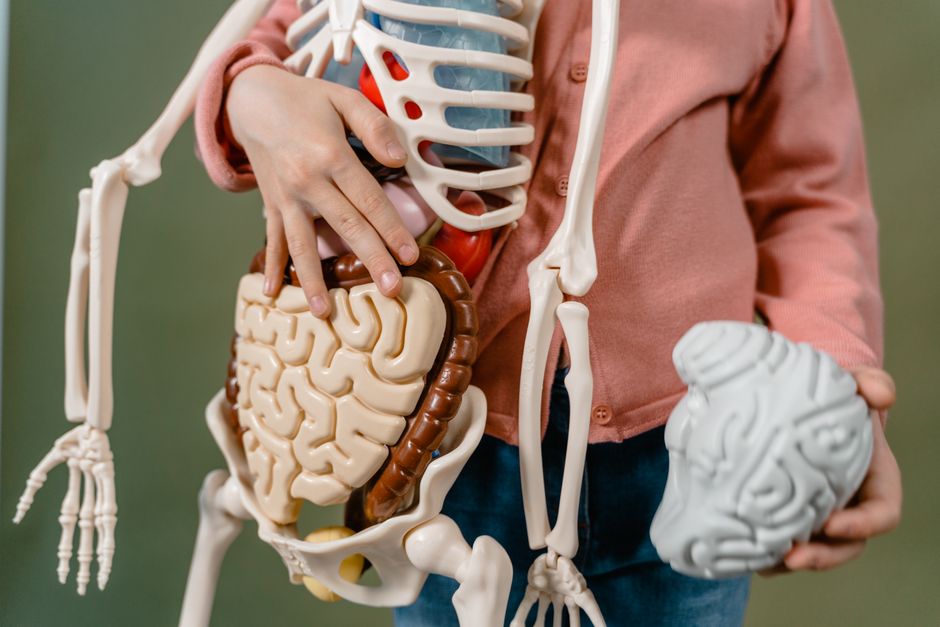
Your digestive system does one main job: it breaks down the food you eat into nutrients your body can absorb and use for energy, growth, and repair. It also moves waste out of your body. That process involves a long tube — about 30 feet from mouth to anus — plus several organs that support the work along the way.
The main function of the digestive system is to convert food into usable fuel and building blocks. It does this through mechanical and chemical breakdown, absorption of nutrients into the bloodstream, and elimination of what your body cannot use.
What Is the Digestive System Main Function?
The digestive system’s main function is to turn food into nutrients and energy while removing waste. Every part of the system — from your mouth to your large intestine — works toward that goal.
This happens in three broad stages:
- Digestion: Food is physically broken apart by chewing and churning, and chemically broken down by enzymes and acid.
- Absorption: Nutrients pass through the walls of the small intestine into your bloodstream.
- Elimination: What remains — fiber, bacteria, dead cells, and water — leaves the body as stool.
Each stage depends on the one before it. If digestion is incomplete, absorption suffers. If absorption is impaired, nutrients leave the body unused.
How Does Digestion Actually Work Step by Step?
Digestion begins before you take a bite. The sight and smell of food trigger saliva production and prepare your stomach for incoming food.
Once you start eating, the process moves through a specific sequence:
- Mouth: Chewing breaks food into smaller pieces. Saliva contains an enzyme called amylase that starts breaking down starches.
- Esophagus: A muscular tube pushes food down to the stomach through wave-like contractions called peristalsis.
- Stomach: Hydrochloric acid and the enzyme pepsin break food into a semi-liquid mixture called chyme. The stomach lining produces about 2 to 3 liters of gastric juice per day.
- Small intestine: Most chemical digestion and nearly all nutrient absorption happens here. The pancreas and liver send enzymes and bile into the small intestine to help.
- Large intestine: Water and some minerals are absorbed. Gut bacteria ferment remaining fiber. What is left becomes stool.
The small intestine is where the real work happens. It is roughly 20 feet long, and its inner surface is covered in finger-like projections called villi. These create a huge surface area — estimated at around 250 square meters in adults — for pulling nutrients into the blood.
What Organs Make Up the Digestive System?
The digestive system includes the gastrointestinal tract and several accessory organs that support digestion but are not part of the tube itself.
The GI tract, in order, includes the mouth, esophagus, stomach, small intestine, large intestine, rectum, and anus. The accessory organs are the liver, pancreas, and gallbladder.
- Liver: Produces bile, which helps break down fats. It also processes absorbed nutrients before they reach the rest of the body.
- Gallbladder: Stores bile and releases it into the small intestine when you eat fatty foods.
- Pancreas: Sends digestive enzymes and bicarbonate into the small intestine. Bicarbonate neutralizes stomach acid so enzymes can work.
These organs do not touch food directly. They release substances into the digestive tract through ducts.



Why Is the Digestive System Important Beyond Breaking Down Food?
Digestion affects far more than your stomach. It influences immune function, hormone signaling, and even brain health.
A large share of your immune cells line the digestive tract. The gut wall acts as a barrier, deciding what gets absorbed and what stays out. When that barrier is compromised, bacteria and toxins can leak into the bloodstream — a concept researchers call intestinal permeability. The clinical significance of this in healthy people is still being studied.
The gut also contains trillions of bacteria collectively called the gut microbiome. These microbes help ferment fiber, produce some vitamins like vitamin K and certain B vitamins, and interact with your immune system. Research in this area has grown rapidly, but many findings are early-stage. What is clear: the microbiome responds to diet, and fiber-rich diets tend to support a more diverse gut bacterial population.
The gut and brain communicate through the vagus nerve and chemical signals. This is called the gut-brain axis. It helps explain why stress can affect digestion and why digestive discomfort can affect mood. The relationship is real, though the details are still being mapped.
What Happens When the Digestive System Does Not Work Properly?
When any part of the digestive process breaks down, symptoms follow. These can range from mild discomfort to serious nutritional deficiencies.
Common digestive conditions include:
- Gastroesophageal reflux disease (GERD): Stomach acid flows back into the esophagus, causing heartburn and potential damage to the esophageal lining.
- Irritable bowel syndrome (IBS): A functional disorder causing cramping, bloating, and changes in bowel habits. It does not damage the intestine.
- Celiac disease: An autoimmune reaction to gluten that damages the small intestine and impairs nutrient absorption.
- Inflammatory bowel disease (IBD): Includes Crohn’s disease and ulcerative colitis. Both involve chronic inflammation of the digestive tract.
- Gallstones: Hardened deposits in the gallbladder that can block bile flow and cause pain.
Symptoms that warrant medical attention include persistent abdominal pain, blood in stool, unexplained weight loss, difficulty swallowing, and jaundice. These do not automatically mean something serious, but they should be evaluated.
One point worth clarifying: occasional bloating, gas, or changes in bowel habits are common and usually not signs of disease. The digestive system responds to what you eat, how much you eat, stress, sleep, and physical activity. A single bad day of digestion rarely indicates a medical problem.
How Can You Support Healthy Digestion?
The most reliable ways to support digestion are the same habits that support overall health. There is no supplement or cleanse that replaces them.
Evidence consistently supports the following:
- Eat fiber-rich foods. Fruits, vegetables, whole grains, and legumes support bowel regularity and feed gut bacteria. Most adults in the US do not meet recommended fiber intake.
- Stay hydrated. Water helps soften stool and supports the mucus lining of the digestive tract.
- Eat a varied diet. Different fibers feed different bacteria. Variety matters more than any single “superfood.”
- Move regularly. Physical activity stimulates intestinal muscles and helps move food through the system.
- Manage stress. The gut-brain connection means chronic stress can worsen digestive symptoms.
- Eat slowly and chew well. This gives your body time to signal fullness and reduces swallowed air.
What about probiotics and digestive supplements? The evidence is mixed. Some strains of bacteria have shown benefit in specific conditions like antibiotic-associated diarrhea. For general digestive health in healthy adults, no large trials have confirmed consistent benefits. The FDA does not review supplements for effectiveness before they are sold.
Cleanses and detox products have no established clinical benefit. The liver and kidneys already filter waste. No study has confirmed that colon cleanses improve digestive health, and some carry risks like dehydration and electrolyte imbalance.
How Long Does Food Take to Move Through the Digestive System?
Food typically spends about 6 to 8 hours moving through the stomach and small intestine. The large intestine can take considerably longer.
Total transit time varies widely between people — from around 24 hours to as long as 72 hours or more. Factors include diet, hydration, physical activity, medications, and individual physiology. Transit time is not a fixed number, and a wide range is normal.
This variability is why “how often should you have a bowel movement” has no single answer. Anywhere from three times a day to three times a week can fall within a normal range for adults, according to widely used clinical criteria. What matters more is whether the pattern is consistent for you and whether it comes with pain, straining, or other symptoms.
Frequently Asked Questions
What is the main function of the digestive system?
The main function is to break down food into nutrients the body can absorb and use for energy, growth, and repair. It also eliminates waste that the body cannot use.
How long does it take to digest food?
Food usually moves through the stomach and small intestine in about 6 to 8 hours, but total transit time through the large intestine varies widely. A range of roughly 24 to 72 hours is considered normal depending on the person.
What are the main organs of the digestive system?
The main organs are the mouth, esophagus, stomach, small intestine, large intestine, rectum, and anus. The liver, pancreas, and gallbladder support digestion by releasing enzymes and bile into the tract.
Can you live without part of your digestive system?
Yes. People can live without a stomach, gallbladder, or portions of the small or large intestine, though removal often requires dietary adjustments and, in some cases, nutritional support. The small intestine is the most critical part because it handles most nutrient absorption.
