
The C reactive protein test, often called a CRP test, is a simple blood test that measures the level of a specific protein your liver produces in response to inflammation. It is a broad marker of inflammation, meaning it tells your doctor that inflammation is present somewhere in your body, but it does not identify exactly where it is or what is causing it. The test is a standard tool used to detect severe infections, monitor chronic inflammatory diseases, and help assess your risk of heart disease.
What Is The C Reactive Protein Test Measuring?
CRP is a protein that your liver makes and releases into your bloodstream. Its job is to help your immune system respond to threats. When your body detects an infection or tissue injury, the level of CRP in your blood rises quickly. This makes it a useful and fast indicator of systemic inflammation.
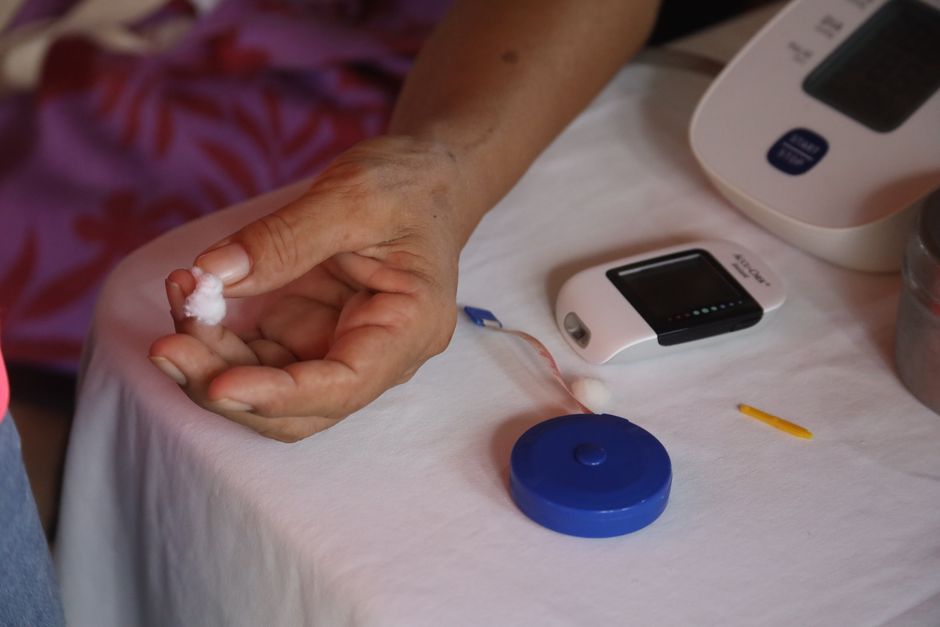
The test itself is straightforward. A healthcare professional draws a small sample of blood from a vein in your arm, usually in a clinic or lab. The sample is then analyzed to see how much CRP is present. Results are typically reported in milligrams per liter (mg/L). A normal, healthy level is generally considered to be below 3 mg/L, though this can vary slightly between labs.
Because CRP rises rapidly and falls just as quickly when the threat passes, it is a dynamic marker. Your doctor can use it to see if an infection is getting better or worse, or if a treatment for a chronic condition is working. It does not, however, tell you what is causing the inflammation. That requires further investigation based on your symptoms and other tests.
What Is Considered a High CRP Level?
The interpretation of a CRP result depends heavily on the number. There is no single “normal” that applies to everyone, but the ranges below are widely used in clinical practice to guide next steps.
A mildly elevated CRP, typically between 3 and 10 mg/L, often points to low-grade inflammation. This can be caused by things like poor sleep, stress, obesity, or a sedentary lifestyle. It can also be a sign of a chronic condition such as rheumatoid arthritis or lupus, but it is rarely specific enough to diagnose one on its own.
A significantly elevated CRP, usually above 10 mg/L, is a strong signal of an acute infection or a major inflammatory flare-up. This level is common with bacterial infections like pneumonia or sepsis. In these cases, the test is often used to monitor whether antibiotics or other treatments are working. A very high level, sometimes in the hundreds, is almost always a sign of a serious acute condition requiring immediate medical attention.
The High-Sensitivity CRP Test and Heart Disease
There is a different version of this test called the high-sensitivity CRP test, or hs-CRP. It is not a different substance. It is a more precise measurement that can detect very small increases in CRP that a standard test might miss. This is useful for assessing cardiovascular risk.
Research consistently shows that chronic, low-level inflammation plays a role in the buildup of plaque in your arteries, a process called atherosclerosis. The hs-CRP test helps doctors estimate your risk of a heart attack or stroke, especially when combined with other risk factors like cholesterol levels and blood pressure.
In clinical practice, hs-CRP levels are often interpreted in a specific way. A level below 1.0 mg/L indicates low risk. A level between 1.0 and 3.0 mg/L indicates average risk. A level above 3.0 mg/L indicates high risk for cardiovascular events. These thresholds are established in cardiology guidelines and are used to help decide if more aggressive prevention strategies are needed.
It is important to understand that hs-CRP is a risk marker, not a diagnosis. A high hs-CRP does not mean you are having a heart attack. It means you have a higher likelihood of one in the future. It is one piece of the puzzle, not the whole picture.





Why Would a Doctor Order a CRP Test?
Doctors order a CRP test for several distinct reasons. The most common is to help diagnose or rule out a serious bacterial infection. If you come in with a high fever, chills, and rapid breathing, a very high CRP level supports the diagnosis of a bacterial infection and helps justify starting antibiotics quickly.
Another common reason is to monitor chronic inflammatory diseases. Conditions like rheumatoid arthritis, inflammatory bowel disease, and lupus cause ongoing inflammation. CRP levels can help your doctor see if your current treatment is controlling the disease or if it is flaring up. A rising level may prompt a change in medication, while a falling level suggests the treatment is working.
The test is also used after certain surgeries to detect complications. A post-operative infection can cause CRP to spike, alerting the medical team to a problem before symptoms become severe. In this context, the test is a monitoring tool, not a screening tool.
What Causes a False Positive or False Negative?
CRP is a sensitive marker, but it is not specific. Many things can raise your CRP level that have nothing to do with a disease you need to treat. Minor infections, like a cold, can cause a temporary rise. Even intense exercise or a recent injury can push the number up.
Because of this, a single elevated CRP result is rarely a diagnosis on its own. Your doctor will look at the result in the context of your symptoms, your medical history, and other lab tests. If you have a slightly elevated CRP but feel perfectly fine, it may not mean anything significant. It could just reflect a minor, resolved issue.
A false negative is less common but possible. Some people have conditions that blunt the liver’s response, leading to a lower CRP than expected. Also, because CRP rises and falls quickly, the timing of the blood draw matters. If your body is just starting to mount an inflammatory response, the level might not have caught up yet.
How Does CRP Compare to Other Inflammatory Markers?
CRP is not the only marker of inflammation. Another commonly used one is the erythrocyte sedimentation rate, or ESR test. Both are used to detect inflammation, but they work differently and provide different information.
CRP rises and falls quickly, within hours to days. ESR changes slowly, over weeks. This makes CRP better for detecting acute conditions and monitoring rapid changes. ESR is often used for chronic conditions, like autoimmune diseases, where the inflammation is ongoing and less dramatic.
Doctors sometimes order both tests together. If both are elevated, it strongly suggests inflammation is present. If they disagree, it can give clues about the type of condition. For example, certain autoimmune diseases may cause a high ESR but a normal CRP. The two tests are complementary, not interchangeable.
Can You Lower Your CRP Level?
Since CRP is a marker of inflammation, lowering it means addressing the underlying inflammation. There is no medication specifically designed to lower CRP. Instead, you lower it by treating what is causing it to rise.
If you have a bacterial infection, antibiotics will bring the level down as the infection clears. If you have a chronic inflammatory condition, disease-modifying drugs can reduce inflammation and, in turn, lower CRP. If you have heart disease risk, statin medications are known to reduce inflammation and lower hs-CRP levels, which is part of why they are so effective at preventing heart attacks.
Lifestyle changes also matter. Weight loss, regular exercise, and a diet rich in anti-inflammatory foods like fruits, vegetables, and whole grains have all been associated with lower CRP levels over time. However, it is important to be realistic. Lifestyle changes can help, but they are not a guaranteed cure for a chronic inflammatory condition. If your CRP is high, you should work with your doctor to find the root cause rather than trying to fix the number alone.
What Are the Limitations of the Test?
The CRP test has clear limitations that are important to understand. Its biggest weakness is its lack of specificity. It tells you inflammation exists, but not where, why, or how severe it is. A very high level is a reliable sign of a serious problem, but a mildly elevated level can be caused by dozens of different factors, many of which are harmless.
Another limitation is that it cannot distinguish between types of inflammation. A CRP spike from a viral infection looks the same as a spike from a bacterial infection or an autoimmune flare-up. Your doctor must use other information to figure out what is happening. The test is a tool for guiding decisions, not a definitive answer in itself.
Finally, CRP is not a screening test for healthy people. Routine CRP testing for everyone is not recommended by major medical organizations. It is most valuable when used to answer a specific clinical question, like “does this patient have a serious infection?” or “is this patient’s treatment working?” Using it broadly without a specific reason can lead to confusion and unnecessary follow-up tests.
When Should You Ask Your Doctor About a CRP Test?
You should not ask for a CRP test on a whim. It is a diagnostic tool, not a wellness check. However, there are situations where it is reasonable to discuss it with your doctor.
If you have unexplained fatigue, persistent joint pain, or recurring fevers, a CRP test might be part of the workup to look for an underlying inflammatory condition. If you have been diagnosed with a chronic condition like rheumatoid arthritis, regular CRP tests are often part of your monitoring plan. If you have risk factors for heart disease and your doctor is trying to refine your risk estimate, an hs-CRP test may be appropriate.
The best approach is to talk to your doctor about your specific concerns. Ask if a CRP test could help clarify your situation. If your doctor does not think it is necessary, ask why. Understanding the reasoning is part of being an informed patient. The test is a valuable tool, but it is most useful when ordered for the right reasons.
Frequently Asked Questions
What is a normal C reactive protein level?
A normal CRP level is generally considered to be below 3 mg/L. Levels above 10 mg/L usually indicate a significant acute infection or inflammation.
How long does it take to get CRP test results?
Results are typically available within 24 to 48 hours. Many hospital labs can provide results in a few hours for urgent cases.
Can stress cause a high CRP level?
Chronic stress can contribute to low-grade inflammation, which may mildly elevate CRP levels. However, a very high level is more likely due to an infection or a serious medical condition.
Is a high CRP level dangerous?
A high CRP level is not dangerous by itself, but it is a warning sign. It indicates significant inflammation that requires medical evaluation to identify the underlying cause.
