
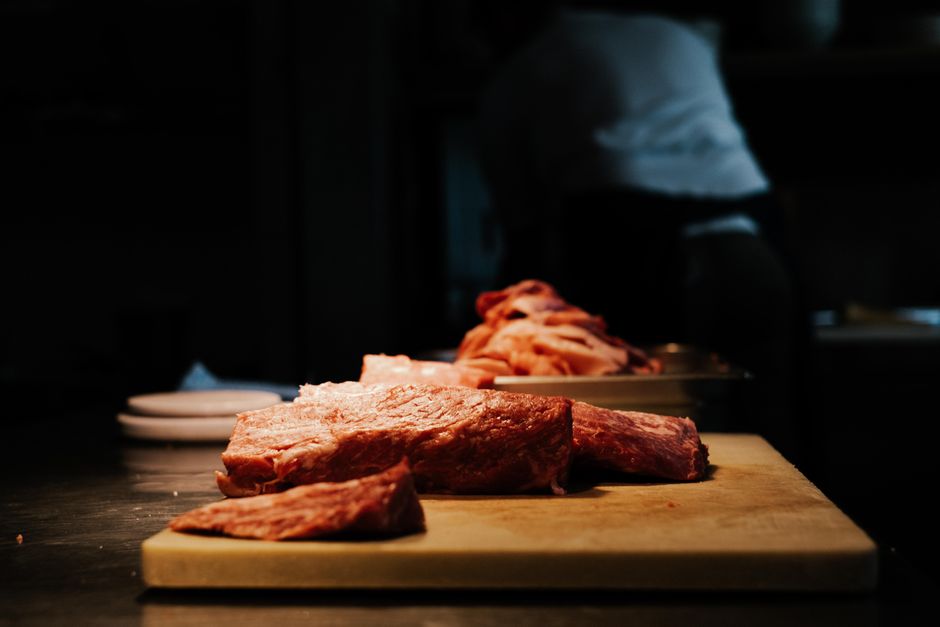
If you are looking to maximize protein per bite, the answer is clear: lean cuts of beef and poultry top the list, with pork and certain game meats close behind. The best meat for protein is one that delivers a high amount of protein relative to its fat and calorie content. Ranked by protein density, skinless chicken breast, lean beef sirloin, and turkey breast lead the pack, while fattier cuts like ribeye or bacon offer far less protein per calorie. This ranking matters because your body needs protein for muscle repair, immune function, and countless metabolic processes, and choosing the right cut helps you hit your daily targets without excess saturated fat.
How Is Protein Density Measured in Meat?
Protein density is the amount of protein in a serving relative to its total weight and calorie content. A 100-gram serving of cooked meat is the standard reference point used in nutrition databases. When you compare cuts this way, you get a clear picture of which meats deliver the most muscle-building fuel for the fewest calories.
For most people, the goal is not just protein but protein efficiency. A cut like chicken breast provides roughly 31 grams of protein per 100 grams cooked, with only about 165 calories. Compare that to a ribeye steak, which offers about 24 grams of protein but pushes 290 calories due to higher fat content. Both are quality protein sources, but chicken breast wins on density.
This does not mean fatty cuts are bad. Fat carries flavor and helps with satiety. But if protein is your primary objective, leaner cuts are the smarter choice.
What Is The Best Meat For Protein Top Cuts Ranked
Ranking meats by protein content requires looking at cooked weight, since raw meat loses water during cooking. The following list reflects approximate values per 100 grams of cooked meat, based on USDA nutrient data. These are averages, and actual numbers vary slightly by preparation method and specific cut.
- Chicken breast (skinless) — approximately 31 grams protein, 165 calories. The gold standard for lean protein.
- Turkey breast (skinless) — approximately 30 grams protein, 135 calories. Slightly leaner than chicken with comparable protein.
- Lean beef sirloin — approximately 29 grams protein, 180 calories. Excellent protein with more iron and zinc than poultry.
- Pork tenderloin — approximately 26 grams protein, 145 calories. Often overlooked but one of the leanest pork options.
- Ground beef (93% lean) — approximately 26 grams protein, 180 calories. Versatile and affordable, though protein varies with fat content.
- Beef top round — approximately 28 grams protein, 175 calories. A budget-friendly roast that rivals sirloin.
- Canned tuna (in water) — approximately 25 grams protein, 115 calories. A pantry staple with impressive density.
- Salmon — approximately 22 grams protein, 208 calories. Lower protein per calorie but rich in omega-3 fatty acids.
- Ribeye steak — approximately 24 grams protein, 290 calories. Tasty but less efficient for protein goals.
- Bacon — approximately 12 grams protein, 540 calories. Minimal protein with heavy fat and sodium loads.
The pattern is simple: the less marbled the cut, the more protein you get per calorie. Skinless poultry and lean cuts from the rear of the animal (round, sirloin, tenderloin) consistently outperform heavily marbled steaks and processed meats.
Why Lean Cuts Beat Fatty Cuts for Daily Protein Goals
Your body needs a certain amount of protein each day — generally 0.8 grams per kilogram of body weight for sedentary adults, and up to 1.6 to 2.2 grams per kilogram for active people building muscle. If you choose fatty cuts, you must eat more calories to reach those targets.
Consider a 180-pound active man aiming for roughly 150 grams of protein daily. Using skinless chicken breast, he would need about 480 grams of cooked meat, totaling roughly 800 calories. Using ribeye, he would need about 625 grams, totaling roughly 1,800 calories. That is a difference of 1,000 calories just from meat selection.
For people watching their weight or managing cholesterol, this distinction matters. The American Heart Association recommends limiting saturated fat to about 13 grams per day on a 2,000-calorie diet. A single ribeye steak can deliver more than half of that allowance. Lean poultry keeps saturated fat minimal while still delivering complete protein with all nine essential amino acids.


Does Red Meat Offer Protein Advantages Over Poultry?
Red meat contains more iron, zinc, and vitamin B12 than poultry. Heme iron from red meat is absorbed more efficiently than the non-heme iron found in plants. For people with iron deficiency or higher iron needs — such as menstruating women or endurance athletes — lean beef can be a strategic choice.
However, red meat does not offer a protein advantage over poultry. The protein quality is essentially identical. Both provide complete proteins with similar amino acid profiles. The decision between beef and chicken should rest on your nutritional needs, budget, and health considerations, not on protein superiority.
Some research has linked high consumption of processed and red meats to increased risk of colorectal cancer. The World Health Organization classifies processed meat as carcinogenic to humans and red meat as probably carcinogenic. This does not mean you must avoid beef entirely. It means moderation is wise. Most dietary guidelines suggest limiting red meat to a few servings per week rather than making it your daily protein source.
What About Pork and Game Meats?
Pork tenderloin is comparable to chicken breast in leanness. Many people assume pork is fatty because of bacon and sausage, but modern pork breeding has produced much leaner animals. Pork also provides thiamine, a B vitamin not found in high amounts in beef.
Game meats such as bison, venison, and elk are exceptionally lean. Bison, for example, provides around 28 grams of protein per 100 grams with only about 145 calories. Venison is similar. These meats are lower in saturated fat than most beef cuts and offer a distinct flavor profile. Availability and price are the main barriers for most consumers.
Lamb and duck are higher in fat and therefore lower in protein density. They are fine occasional choices but not ideal for daily high-protein eating.
How Cooking Method Changes Protein Content
Cooking does not destroy protein in any meaningful way. Heat can denature proteins — unfolding their structure — but the amino acids remain intact and digestible. In fact, cooking generally improves protein digestibility by making the meat easier for your digestive enzymes to break down.
What cooking does change is the weight and calorie density. Grilling or roasting removes moisture, concentrating protein per gram. Frying adds oil and calories without adding protein. Breaded or battered meats have significantly lower protein density because the coating dilutes the meat content.
Preparation also affects health outcomes. Grilling or broiling meat at high temperatures can form heterocyclic amines, compounds linked to cancer risk in some studies. Marinating meat and avoiding charring reduces this formation. Slow cooking and baking at moderate temperatures are safer bets for regular consumption.
Plant Proteins vs. Meat Protein: A Fair Comparison
Meat provides complete protein, meaning it contains all nine essential amino acids in adequate amounts. Most plant proteins are incomplete, lacking one or more essential amino acids. Soy and quinoa are exceptions, providing complete protein profiles.
For most people, mixing plant proteins throughout the day can meet protein needs. However, meat remains the most efficient single-source protein. A 100-gram serving of chicken breast delivers more usable protein than any 100-gram serving of beans, lentils, or tofu. Plant proteins also come with carbohydrates, which may or may not fit your dietary goals.
That said, plant proteins offer fiber and phytonutrients that meat lacks. Many nutrition experts recommend a balanced approach: lean meats as primary protein sources with plant proteins filling in gaps. This reduces saturated fat intake while diversifying your nutrient profile.
Practical Tips for Choosing High-Protein Meat at the Store
Reading labels helps, but meat packaging does not always list protein content. Learn to identify lean cuts by name. Look for words like “loin,” “round,” and “sirloin” — these indicate cuts from well-exercised muscles with less fat. “Choice” or “Select” grades of beef are leaner than “Prime,” which has more marbling.
For ground meat, check the lean-to-fat ratio. Ground beef labeled 93% lean or 96% lean provides substantially more protein per calorie than 70% lean ground beef. The same logic applies to ground turkey and pork.
Skinless poultry is consistently the leanest option. If you buy chicken with skin, remove it before cooking to cut saturated fat significantly. Canned fish in water beats oil-packed versions for protein density.
Eggs and dairy are not meat but deserve mention. Eggs provide about 6 grams of protein each, and Greek yogurt offers roughly 15 grams per 170-gram serving. These are efficient, affordable protein sources that complement meat-based eating patterns.
Frequently Asked Questions
What is the single best meat for protein per calorie?
Skinless chicken breast is the best choice, providing roughly 31 grams of protein per 100 grams cooked at only about 165 calories. Turkey breast is nearly identical and slightly leaner.
Is steak a good source of protein?
Yes, lean cuts like sirloin and top round provide about 28-29 grams of protein per 100 grams cooked. Fattier cuts like ribeye offer less protein per calorie due to higher fat content.
How much protein do I need daily?
Sedentary adults need about 0.8 grams per kilogram of body weight, while active people building muscle often target 1.6 to 2.2 grams per kilogram. A 180-pound active person might aim for roughly 130 to 180 grams daily.
Is pork as healthy as chicken for protein?
Pork tenderloin is nearly as lean as chicken breast, providing about 26 grams of protein per 100 grams with only 145 calories. The key is choosing tenderloin or loin cuts rather than bacon or sausage.
