
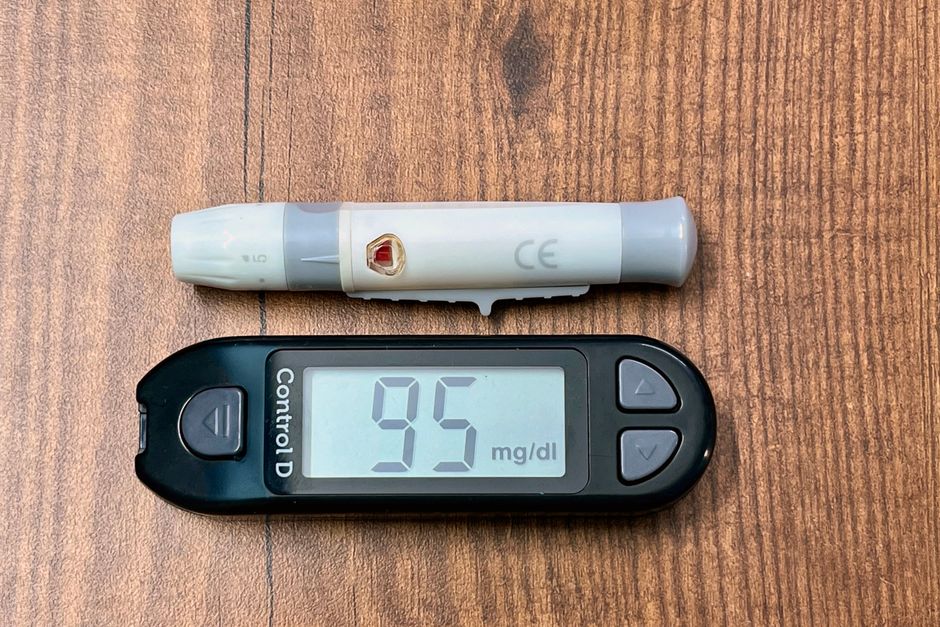
Blood glucose is the amount of sugar circulating in your bloodstream, and it is measured in milligrams per deciliter (mg/dL) in the United States. For most healthy adults, a normal fasting blood glucose level falls between 70 and 99 mg/dL. Two hours after eating, it usually stays below 140 mg/dL. These numbers shift with age, pregnancy, and health conditions, so the “normal” range is not one single figure for everyone.
What Is The Blood Glucose Range For All Ages?
There is no single glucose range that applies to every person at every stage of life. Instead, clinicians use different reference ranges depending on whether you are fasting, whether you just ate, and whether you have a condition like diabetes.
The table below reflects widely used clinical reference values for adults without diabetes.
| Measurement | Normal Range (Adults Without Diabetes) |
|---|---|
| Fasting (no food for at least 8 hours) | 70–99 mg/dL |
| 2 hours after a meal or glucose drink | Less than 140 mg/dL |
| A1C (3-month average) | Below 5.7% |
Prediabetes is generally defined as a fasting glucose of 100–125 mg/dL, a 2-hour level of 140–199 mg/dL, or an A1C of 5.7–6.4%. Diabetes is typically diagnosed at a fasting glucose of 126 mg/dL or higher, a 2-hour level of 200 mg/dL or higher, or an A1C of 6.5% or above. These thresholds come from longstanding diagnostic criteria used across clinical practice.
For children, the same general fasting range of roughly 70–99 mg/dL is often cited, though children’s glucose can vary more with activity and growth. Newborns are a separate case entirely. Their glucose regulation is immature, and pediatric guidelines define low blood sugar in newborns differently from older children and adults. No single universal number covers every newborn, because thresholds depend on gestational age, weight, and whether the infant is feeding normally.
Why Does Blood Glucose Change Throughout the Day?
Blood glucose is not a fixed number. It rises and falls constantly in response to food, hormones, activity, and stress. This is normal and expected.
When you eat carbohydrates, your digestive system breaks them into glucose, which enters the bloodstream. The pancreas releases insulin, a hormone that signals cells to take in glucose for energy or storage. Between meals, the liver releases stored glucose to keep your brain and muscles supplied. This back-and-forth keeps most people within a fairly narrow window.
Several everyday factors push glucose up or down:
- Meals — especially those high in refined carbohydrates — raise glucose, often peaking about an hour after eating.
- Physical activity usually lowers glucose because working muscles pull sugar from the blood.
- Stress and illness raise glucose through stress hormones like cortisol.
- Sleep loss can reduce insulin sensitivity the next day.
- Certain medications, including steroids, can raise glucose.
The timing of a test matters as much as the number itself. A reading of 130 mg/dL means something very different fasting than it does two hours after a meal.
How Does Blood Glucose Range Change With Age?
Fasting glucose targets for healthy adults stay roughly the same across adulthood. What changes with age is not the normal range so much as the risk of developing problems that push glucose out of range.
Insulin sensitivity tends to decline gradually with age. Muscle mass, which is a major site of glucose uptake, often decreases. These shifts mean older adults are more likely to develop prediabetes and type 2 diabetes. But that is a change in risk, not a change in what counts as normal.
One important exception involves older adults who already have diabetes and are frail or have other serious illnesses. For them, some clinical guidance suggests less strict glucose targets, because the danger of low blood sugar (hypoglycemia) can outweigh the benefit of tight control. This is a decision made between a patient and their clinician, not a universal rule.
For children and teens, the reference ranges are broadly similar to adults, but interpretation depends on context. A pediatrician looks at the whole picture — growth, symptoms, family history — rather than a single number.




What About Blood Glucose During Pregnancy?
Pregnancy changes glucose metabolism significantly, and the targets used are stricter than for non-pregnant adults.
During pregnancy, the placenta produces hormones that reduce insulin’s effectiveness. This is why gestational diabetes can develop even in people who had normal glucose before. Because high blood sugar during pregnancy can affect both mother and baby, clinicians screen for it, usually between 24 and 28 weeks of gestation.
When gestational diabetes is diagnosed, treatment targets are tighter than standard adult ranges. Commonly cited goals include a fasting glucose below 95 mg/dL and post-meal levels below certain cutoffs. These targets come from obstetric guidance and are applied under medical supervision.
After delivery, gestational diabetes usually resolves, but it raises the lifetime risk of developing type 2 diabetes later. Follow-up testing is generally recommended in the months and years after birth.
What Do Out-of-Range Blood Glucose Levels Mean?
A single out-of-range reading does not automatically mean something is wrong. It does mean the number deserves a closer look.
Consistently high fasting glucose can point toward prediabetes or diabetes. Over time, elevated glucose damages blood vessels and nerves, which is why it is linked to complications affecting the heart, kidneys, eyes, and feet. The damage tends to build quietly over years, which is why screening matters even when someone feels fine.
Low glucose, generally defined as below 70 mg/dL, is a different concern. It most often occurs in people taking insulin or certain diabetes medications. Symptoms can include shakiness, sweating, confusion, and in severe cases, loss of consciousness. Hypoglycemia is a medical issue that needs prompt attention.
It is also worth knowing that glucose meters and lab tests are not perfectly interchangeable. Home meters have a margin of error, so a reading of 105 on a home device and 98 at a lab are not a meaningful contradiction. Trends over time matter more than any single fingerstick.
When Should You Get Your Blood Glucose Checked?
Routine screening is generally recommended for adults starting around age 35, with repeat testing at intervals based on risk factors and results. People with risk factors — such as a family history of diabetes, higher body weight, or certain ethnic backgrounds — may be screened earlier.
Testing is straightforward. A fasting glucose test, an A1C test, or an oral glucose tolerance test can each reveal how your body handles sugar. Your clinician decides which is appropriate.
Symptoms that warrant a conversation with a doctor include excessive thirst, frequent urination, unexplained weight loss, blurred vision, and fatigue that does not improve. These can have many causes, and only testing can clarify what is going on.
Understanding your glucose range is not about chasing a perfect number. It is about knowing where you stand and catching changes early, when they are easiest to address.
Frequently Asked Questions
What is a normal blood sugar level by age?
For most healthy adults and children, a normal fasting glucose is 70–99 mg/dL, and it stays below 140 mg/dL two hours after eating. Newborns are an exception, with thresholds that depend on gestational age and feeding.
Is 120 mg/dL fasting too high?
A fasting glucose of 120 mg/dL falls in the prediabetes range of 100–125 mg/dL. It is not diabetes, but it does warrant follow-up testing and a conversation with a clinician.
Does blood sugar range change as you get older?
The normal range stays roughly the same across adulthood, but the risk of prediabetes and type 2 diabetes rises with age. Some frail older adults with diabetes are given less strict targets to avoid low blood sugar.
What blood sugar level is dangerously low?
Blood glucose below 70 mg/dL is generally considered low, and levels below 54 mg/dL are considered serious. Low blood sugar most often affects people taking insulin or certain diabetes medications.
