
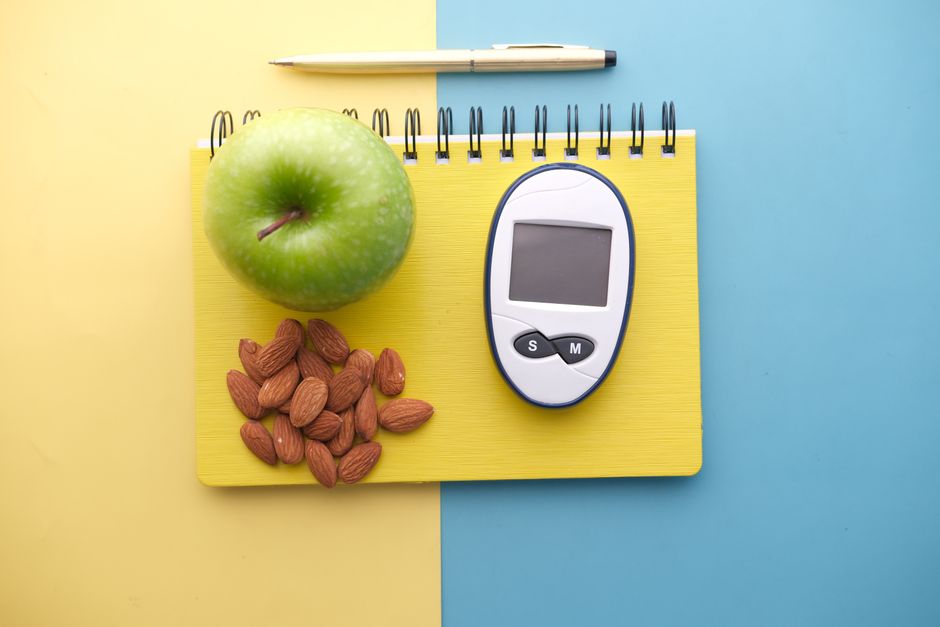
Your brain runs on glucose, and it has almost no backup supply. When blood glucose drops below the level your cells need, the body launches a fast, layered response — first releasing hormones to raise it, then producing symptoms that range from shaky hands and hunger to confusion and, in severe cases, unconsciousness. For most healthy people this is a brief, self-correcting event. For people with diabetes who take insulin or certain other medications, it can become a medical emergency.
The medical term for low blood glucose is hypoglycemia. It is not a disease on its own. It is a sign that something in the body’s glucose regulation has gone wrong, or that a medication is doing its job too well.
What Counts as Low Blood Glucose?
For people with diabetes, clinical guidelines define hypoglycemia as a blood glucose level below 70 mg/dL. This number comes from the American Diabetes Association and is widely used in clinical practice.
Below 70 mg/dL, the body begins its counter-regulatory response — the release of hormones designed to push glucose back up. Below 54 mg/dL, the situation is considered clinically significant and requires immediate action. Severe hypoglycemia is defined not by a number but by what it does: it is an event in which a person needs help from someone else to treat it, because they cannot safely do it themselves.
For people without diabetes, there is no single universal threshold. Blood glucose normally stays within a fairly narrow range — roughly 70 to 99 mg/dL fasting, according to standard reference ranges — and the body corrects small dips on its own. A reading below 70 mg/dL in someone without diabetes may still be worth investigating, but it does not carry the same immediate meaning as it does for someone on glucose-lowering medication.
The distinction matters. A low number on a meter in a person taking insulin is a call to act. The same number in a person who has never taken glucose-lowering medication is a reason to ask why, not necessarily a reason to panic.
What Happens in the Body When Blood Glucose Falls?
The body treats falling glucose as a threat and responds in stages.
The first responders are hormones. When glucose drops, the pancreas reduces insulin release and starts releasing glucagon. Glucagon tells the liver to break down stored glycogen and release glucose into the bloodstream. The liver holds a limited reserve — typically enough to sustain blood glucose for several hours between meals in a healthy person.
At the same time, the adrenal glands release epinephrine, also called adrenaline. Epinephrine does two things: it mobilizes glucose from the liver, and it produces the early warning symptoms of hypoglycemia. This is why the first signs are often physical and hard to miss — the body is deliberately making itself noticeable.
If glucose keeps falling, the body releases cortisol and growth hormone. These are slower-acting and support glucose production over a longer window.
When these systems work, glucose returns to normal and the episode ends. When they fail or are overwhelmed — most often because of too much insulin or a medication that pushes glucose down — the brain begins to feel the shortage. The brain cannot store meaningful amounts of glucose. It depends on a continuous supply. That is why the symptoms shift from physical to neurological as glucose drops further.
What Are the Symptoms of Low Blood Glucose?
Symptoms fall into two groups, and the order matters.
Early symptoms come largely from epinephrine and include:
- Shakiness or trembling
- Sweating, often cold and clammy
- Rapid heartbeat
- Hunger
- Anxiety or a sense of unease
- Pale skin
- Tingling around the mouth
Later symptoms reflect the brain running short on fuel:
- Difficulty concentrating
- Confusion or disorientation
- Slurred speech
- Blurred vision
- Weakness
- Unusual behavior that others notice before the person does
- Seizures or loss of consciousness in severe cases
One important point: not everyone gets the early warning symptoms. Some people — particularly those who have had diabetes for many years, or who have had repeated low episodes — lose the ability to feel the early signs. This is called hypoglycemia unawareness. It is a real and well-documented clinical problem, because it removes the window in which a person can treat themselves. For someone with this condition, a low can progress to severe before they realize anything is wrong.

What Causes Blood Glucose to Drop?
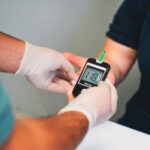
In people with diabetes, the most common cause is straightforward: too much glucose-lowering medication relative to what the body needs at that moment. This can happen from taking insulin or a sulfonylurea, eating less than usual, exercising more than usual, or drinking alcohol without food.
Exercise is a frequent and often underestimated trigger. Working muscles take up glucose from the blood, and this effect can continue for hours after the activity ends. A low that shows up in the middle of the night after an afternoon workout is a recognized pattern.
Alcohol deserves its own mention. It can blunt the liver’s ability to release glucose, which means the body’s main backup system is partly offline. Drinking without eating is a well-known contributor to low glucose in people on insulin or sulfonylureas.
In people without diabetes, hypoglycemia is uncommon and the causes are different. They include:
- Certain medications, including some not used for diabetes
- Long periods without food, especially combined with heavy exercise
- Some hormonal disorders, such as adrenal insufficiency
- Severe illness affecting the liver, kidneys, or heart
- Rare conditions involving excess insulin production
- Alcohol use, particularly in people who are malnourished
This is where a common myth needs correcting. “Reactive hypoglycemia” — a drop in glucose a few hours after a high-carbohydrate meal — is widely discussed online and often blamed for fatigue, brain fog, and mood swings. The evidence for it as a common, distinct condition in healthy people is weak. Some cases are documented, but it is not the frequent problem that popular health content suggests. Ongoing symptoms after meals are more likely to have another explanation.
How Is Low Blood Glucose Treated?
When a person is conscious and able to swallow, the standard approach is to raise glucose quickly with a fast-acting carbohydrate. The widely used clinical rule is the 15-15 rule: take about 15 grams of fast-acting carbohydrate, wait 15 minutes, and recheck. If glucose is still below 70 mg/dL, repeat.
Roughly 15 grams of carbohydrate is found in about four ounces of juice or regular soda, four glucose tablets, or one tablespoon of honey or sugar. These are established clinical standards, not estimates.
Foods that work slowly — chocolate, peanut butter, or a meal with fat and protein — are a poor choice for treating an active low, because fat slows the absorption of glucose. They are fine afterward to keep levels steady.
When a person is unconscious, having a seizure, or cannot swallow safely, this changes completely. Nothing should be given by mouth, because of the choking risk. This is a medical emergency. Injectable glucagon — available by prescription in several forms — is the treatment used in this situation, and calling emergency services is appropriate. Family members and caregivers of people at risk are often trained to use it.
After any low serious enough to need help, the underlying cause should be reviewed with a clinician. Repeated lows usually point to a medication dose that needs adjusting.
When Should You Be Concerned?
A single mild low that responds to treatment and does not recur is usually not a cause for alarm. Patterns are what matter.
Seek medical evaluation if lows are happening often, if they are happening without warning symptoms, if they occur during sleep, or if any episode has required help from another person. These are the situations where the risk of a severe event goes up, and where adjusting treatment can make a real difference.
For people without diabetes, a documented low glucose reading is worth discussing with a clinician, particularly if it comes with symptoms. It is uncommon enough that it deserves an explanation rather than an assumption.
No clinical guidelines currently support using low glucose as a general explanation for everyday tiredness in people without diabetes or glucose-lowering medication. Feeling tired is not the same as being hypoglycemic, and the two should not be conflated.
Frequently Asked Questions
What happens when blood glucose levels fall below 70 mg/dL?
The body releases glucagon and epinephrine to raise glucose, which often causes shakiness, sweating, and a rapid heartbeat. Below 54 mg/dL, the event is considered clinically significant and needs immediate treatment.
What are the first signs of low blood sugar?
Early signs usually include shakiness, sweating, hunger, and a fast heartbeat, driven by adrenaline. Some people, especially those with long-standing diabetes, do not get these warnings at all.
Can low blood sugar happen without diabetes?
It can, but it is uncommon. Causes include certain medications, prolonged fasting with heavy exercise, alcohol use, and some hormonal or organ conditions.
How do you treat low blood glucose at home?
If the person is awake and can swallow, give about 15 grams of fast-acting carbohydrate, wait 15 minutes, and recheck. If they are unconscious or cannot swallow, give nothing by mouth and use injectable glucagon while calling emergency services.
