
High blood pressure usually has no symptoms. That is exactly what makes it dangerous. The way to bring it down is not one dramatic change. It is a small set of proven moves — cutting sodium, eating more potassium-rich foods, moving your body, losing extra weight, limiting alcohol, and taking medication when your doctor prescribes it — applied consistently, and measured over weeks, not days.
For most people, these steps lower blood pressure meaningfully. For some, lifestyle alone is not enough, and that is not a personal failure. It is biology. Blood pressure is controlled by the heart, the blood vessels, the kidneys, and hormones working together. When those systems drift, no amount of celery juice resets them.
Here is what actually works, what the evidence says, and what to ignore.
What Do the Blood Pressure Numbers Actually Mean?
A blood pressure reading has two numbers. The top number, systolic pressure, is the force against your artery walls when your heart beats. The bottom number, diastolic pressure, is the pressure between beats, while your heart refills.
Normal blood pressure is below 120/80 mm Hg. Elevated is 120–129 systolic with diastolic still under 80. Stage 1 hypertension begins at 130/80. Stage 2 begins at 140/90. A reading of 180/120 or higher is a medical emergency and needs immediate care, not a lifestyle plan.
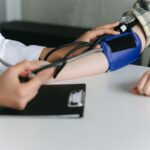
One high reading does not mean you have hypertension. Blood pressure fluctuates all day. Diagnosis typically requires repeated readings over time, often confirmed with at-home monitoring. Some people also have white coat hypertension — elevated numbers in a clinic that are normal at home.
There is a detail many people miss: for adults over 50, systolic pressure tends to matter more than diastolic for predicting cardiovascular risk. As arteries stiffen with age, the top number often climbs while the bottom number stays flat or even drops. A “normal” bottom number does not cancel out a high top number.
How To Bring Down High Blood Pressure With Food
Diet is one of the most powerful levers you have. Two eating patterns have the strongest evidence behind them: DASH (Dietary Approaches to Stop Hypertension) and the Mediterranean-style diet. Both emphasize vegetables, fruits, whole grains, beans, nuts, and lean protein, and both limit processed food.
The single most studied dietary factor is sodium. The American Heart Association recommends no more than 2,300 mg per day, and ideally no more than 1,500 mg for most adults, especially those with high blood pressure. Most Americans consume far more than that, largely from packaged and restaurant food rather than the salt shaker.
Potassium works in the opposite direction. It helps the body excrete sodium and eases tension in blood vessel walls. Good sources include beans, potatoes, spinach, bananas, yogurt, and tomatoes. If you have kidney disease, talk to your doctor before increasing potassium — for some people it can be dangerous.
What about the popular claims? Beet juice, garlic, and hibiscus tea have shown modest blood pressure effects in some small studies. The evidence is not strong enough to treat them as therapy. No single food lowers blood pressure the way medication does. The pattern matters more than any one item.
Where Sodium Hides
- Canned soups and broths
- Deli meats and cured sausages
- Frozen prepared meals
- Bread and rolls
- Restaurant and fast food
- Sauces, dressings, and condiments
Reading labels is the fastest way to find your biggest sources. Sodium is listed in milligrams per serving, and servings are often smaller than what people actually eat.
Does Exercise Lower Blood Pressure?
Yes. Regular physical activity lowers systolic pressure by a meaningful amount in people with hypertension, based on consistent findings across many studies. The effect shows up within weeks and grows with consistency.
Aerobic activity — brisk walking, cycling, swimming, jogging — is the most studied. Current guidance for adults is at least 150 minutes of moderate activity per week, or about 30 minutes on most days. You do not need to do it all at once. Three ten-minute walks count.
Resistance training also helps and is safe for most people with high blood pressure. The caution is with heavy lifting and breath-holding, which can spike pressure temporarily. If your blood pressure is very high or uncontrolled, check with your doctor before starting a strenuous program.
Isometric exercise — like wall sits and handgrip holds — has gained attention in recent years. Some research suggests it can lower blood pressure, sometimes comparably to aerobic training. The evidence is promising but still smaller and newer than the aerobic evidence. It is a reasonable addition, not a replacement.
What About Weight, Alcohol, and Smoking?
Weight matters directly. Blood pressure tends to rise as body weight rises, and losing weight tends to lower it. Even modest weight loss can produce a measurable drop. The relationship is not linear for everyone, but the direction is consistent.
Alcohol raises blood pressure in a dose-dependent way. The more you drink, the higher the effect. For people who drink, reducing intake often lowers blood pressure noticeably. Heavy drinking also interferes with blood pressure medications.
Smoking does not cause chronic high blood pressure in the way many people assume. What it does is damage blood vessel walls and dramatically raise the risk of heart attack and stroke in people who already have hypertension. Quitting is one of the highest-value things a smoker with high blood pressure can do, even though it may not move the numbers much on its own.
Sleep and stress deserve a mention. Chronic poor sleep and untreated sleep apnea are linked to resistant hypertension — blood pressure that stays high despite treatment. Loud snoring, gasping at night, and daytime fatigue are worth mentioning to a doctor. Stress management alone rarely normalizes blood pressure, but unmanaged chronic stress can push it up and make other habits harder to keep.
When Do You Need Medication?
Medication is not a last resort. For many people, it is the first-line treatment alongside lifestyle changes.
Whether you need it depends on your numbers, your overall cardiovascular risk, and whether you have conditions like diabetes, kidney disease, or prior heart events. Someone with Stage 2 hypertension is usually started on medication right away. Someone with Stage 1 and low overall risk may be given a window to try lifestyle changes first.
Common classes include thiazide diuretics, ACE inhibitors, ARBs, and calcium channel blockers. Each works differently. Many people need two or more to reach target. Finding the right combination often takes a few adjustments.
Two things are worth being honest about. First, lifestyle changes can reduce how much medication you need, but they do not always eliminate it. Second, stopping medication because your numbers improved is a common and dangerous mistake — the numbers improved because of the medication.
How Long Does It Take to See a Difference?
Some changes show up fast. Cutting sodium can lower blood pressure within days to a few weeks. Alcohol reduction can show effects within a similar window. Exercise benefits typically appear within a few weeks of consistent activity.
Weight loss takes longer, and the blood pressure benefit follows the weight loss. Medication, when it works, often shows an effect within days to a few weeks, though full adjustment can take longer.
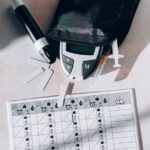
The honest answer is that there is no universal timeline. How fast your numbers respond depends on how high they started, how many changes you make, and how your individual body responds. What matters more than speed is consistency and measurement. Track your readings at home, at the same times, and bring the log to your doctor.
What Does Not Work
A lot of what is marketed for blood pressure does not hold up. That includes most “blood pressure support” supplements, which are not held to the same evidence standard as medications. Some contain ingredients that can interact with prescriptions or, in rare cases, raise pressure.
Detoxes, alkaline water, and “circulation” teas have no reliable evidence for lowering blood pressure. Neither does cutting out all salt and replacing it with a specialty salt unless you are also reducing total sodium from packaged food, which is where most of it comes from.
None of this means you should ignore how you feel or stop asking questions. It means the proven path is boring and effective: less sodium, more potassium-rich food, regular movement, less alcohol, healthy weight, and medication when prescribed.
Frequently Asked Questions
Can I lower my blood pressure without medication?
Some people can, especially with Stage 1 hypertension and low overall cardiovascular risk. Whether you can depends on your numbers, your risk factors, and how your body responds — your doctor is the right person to judge that.
How fast can I bring down high blood pressure?
Sodium reduction and alcohol reduction can show effects within days to a few weeks, and exercise benefits typically appear within a few weeks. Weight loss takes longer, and the blood pressure benefit follows the weight loss.
Is 140/90 dangerous?
140/90 falls into Stage 2 hypertension and raises long-term risk of heart attack, stroke, and kidney damage if untreated. It is not an emergency at that level, but it needs medical attention and a treatment plan.
Does walking really lower blood pressure?
Yes. Regular aerobic activity like brisk walking lowers systolic pressure in people with hypertension, based on consistent findings across many studies. About 150 minutes per week is the general target for adults.
