
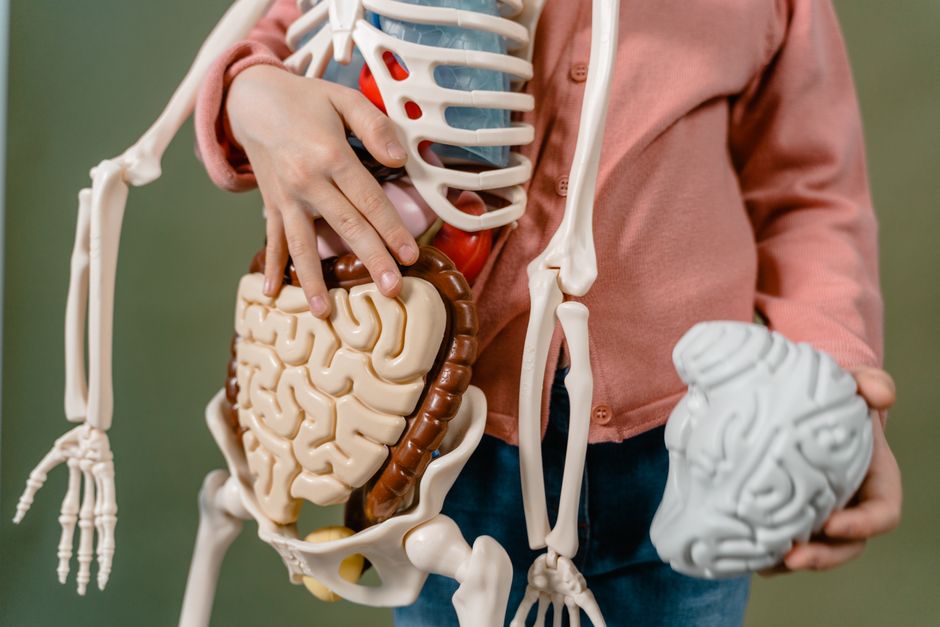
Your digestive system already has a cleaning crew. The liver filters waste from your blood, the kidneys remove it through urine, and the colon moves out what your body cannot use. You do not need a juice fast or a colon cleanse kit to make this happen. What you can do is support the organs that already do the work, and avoid the things that slow them down.
That means fiber, water, movement, and a few habits that keep your gut bacteria and bowel muscles functioning well. Below is what the evidence actually supports, what it does not, and where the marketing claims fall apart.
What Does “Cleaning” Your Digestive System Actually Mean?
There is no medical procedure called cleaning your digestive system. The phrase describes a mix of things people mean, and it helps to separate them.
Some people mean having a bowel movement every day. Some mean reducing bloating. Some mean “detoxing,” which usually refers to removing accumulated toxins. The first two are real goals with real approaches. The third rests on a premise that does not hold up.
Your body does not store toxins in the colon waiting to be flushed. The liver processes waste products and sends them to the kidneys or bile. The kidneys filter blood continuously. The colon absorbs water and electrolytes and moves waste out. This happens on its own, every day, without intervention.
What can go wrong is the rate and ease of that process. Constipation, bloating, and irregularity are common and treatable. They are not signs that your body is failing to clean itself.
Does Fiber Really Help Clean Your Digestive System?
Fiber is the single most evidence-backed dietary factor for digestive health. It adds bulk to stool, which helps the colon move contents along. It also feeds beneficial gut bacteria, which ferment it into short-chain fatty acids that support the cells lining your colon.
There are two main types. Soluble fiber dissolves in water and forms a gel. It is found in oats, beans, lentils, apples, and psyllium. Insoluble fiber does not dissolve and adds bulk. It is found in whole grains, nuts, and the skins of vegetables.
Most adults in the United States get far less fiber than recommended. Federal dietary guidelines call for roughly 25 to 38 grams per day depending on age and sex, while average intake is closer to 15 grams. That gap matters more than any cleanse product.
If you currently eat little fiber, increase it slowly. Adding a lot at once can cause gas, bloating, and cramping. Spread it across meals and drink enough water alongside it. Fiber without water can make constipation worse, not better.
How Much Water Do You Need for Healthy Digestion?
Water keeps stool soft and helps fiber do its job. Without enough fluid, fiber can firm up stool rather than move it along.
There is no single number that fits everyone. The National Academies of Sciences, Engineering, and Medicine set general daily fluid intake at about 3.7 liters for men and 2.7 liters for women, but that includes water from food and all beverages. Individual needs vary with climate, activity, and health conditions.
You do not need to force large amounts of water. Thirst and urine color are reasonable guides. Pale yellow urine generally suggests adequate hydration. Dark yellow suggests you could drink more.
One clarification worth making: drinking extra water does not “flush out” your colon or push out old waste. Water supports normal function. It does not accelerate a clearing process that does not exist.



Do Probiotics and Fermented Foods Help?
The evidence here is mixed and depends heavily on what you are trying to fix.
Certain specific probiotic strains have shown benefit for specific conditions. Some strains of Saccharomyces boulardii and Lactobacillus rhamnosus GG have been studied for antibiotic-associated diarrhea, for example. But “probiotic” is a broad category, not a single treatment. Different strains do different things, and many products on shelves have not been tested for the claims on their labels.
Fermented foods like yogurt with live cultures, kefir, kimchi, and sauerkraut contain live bacteria. Some studies suggest they can shift the gut microbiome and may support digestive comfort. Whether that translates into meaningful long-term health benefits is still being studied.
If you want to try fermented foods, they are generally safe for most people and can be part of a healthy diet. If you have a weakened immune system or a serious illness, talk to your doctor before taking probiotic supplements, because live bacteria can cause infections in some people.
What About Colon Cleanses and Detox Products?
Colon cleanses, detox teas, and enema kits are widely sold. The clinical evidence for their claimed benefits is essentially absent.
No large human trials have shown that colon cleansing removes toxins, improves digestion, or prevents disease in healthy people. The toxins these products claim to remove are not identified or measured in any standardized way.
Some of these products carry real risks. Herbal laxatives can cause dehydration, electrolyte imbalances, and dependence on laxatives for bowel movements. Enemas and colonic irrigation have, in rare cases, caused bowel perforation, which is a medical emergency. The FDA has warned companies about making unproven claims for detox products.
Colon cleansing does have a legitimate medical use: bowel preparation before a colonoscopy. That is a specific procedure done under medical supervision with a specific purpose. It is not a general health practice.
What Actually Helps Your Digestive System Work Well?
The habits with the strongest evidence are unglamorous and consistent.
- Eat enough fiber. Aim for the range in federal guidelines, increase it gradually, and pair it with fluids.
- Drink water throughout the day. Use thirst and urine color as guides.
- Move your body. Physical activity stimulates bowel motility. Even regular walking helps.
- Keep a regular routine. Going to the bathroom at similar times, and not ignoring the urge, supports normal bowel function.
- Limit highly processed foods. They tend to be low in fiber and high in added sugar and sodium.
- Eat a varied diet. Different plant foods feed different gut bacteria.
- Manage stress. The gut and brain are connected through the vagus nerve and other pathways, and stress can affect digestion.
- Limit alcohol. It can irritate the stomach lining and affect gut bacteria.
None of these are dramatic. That is the point. Digestive health responds to steady habits, not to periodic purges.
When Should You See a Doctor About Digestive Symptoms?
Some symptoms need medical attention rather than dietary adjustments.
See a doctor if you have blood in your stool, unexplained weight loss, persistent vomiting, severe abdominal pain, a lasting change in bowel habits, or symptoms that do not improve with dietary changes. These can signal conditions that require diagnosis and treatment.
Constipation that does not respond to fiber, fluids, and activity may have an underlying cause. So may chronic bloating or diarrhea. A doctor can evaluate for conditions like irritable bowel syndrome, celiac disease, inflammatory bowel disease, or thyroid problems.
Self-treating with cleanses or laxatives can delay a real diagnosis. That is one of the more concrete risks of the detox approach.
Do You Need to “Reset” Your Gut After a Bad Diet?
No. Your gut does not need a reset, and there is no evidence that a period of fasting or cleansing repairs damage from prior eating.
The gut lining replaces itself continuously. Cells in the small intestine turn over roughly every few days. The microbiome shifts in response to what you eat, and it can shift back. If you have been eating poorly, the effective response is to eat well going forward, not to punish your system first.
Some people do feel better after a cleanse. That is often because they simultaneously cut alcohol, cut processed food, drank more water, and ate more vegetables. The benefit comes from those changes, not from the cleanse itself.
Frequently Asked Questions
Can I clean my digestive system naturally?
Your body already cleans itself through the liver, kidneys, and colon, and no product is required. Fiber, water, and physical activity support those organs and help prevent constipation.
Do colon cleanses remove toxins?
No clinical evidence confirms that colon cleanses remove toxins or improve health in healthy people. The toxins these products claim to remove are not identified or measured in any standardized way.
How long does it take to improve digestion?
Some changes, like softer stool from more water and fiber, can happen within days. Shifts in gut bacteria from dietary changes generally take weeks to months, and the evidence on timing varies by person.
Are detox teas safe?
Many detox teas contain herbal laxatives that can cause dehydration and electrolyte imbalances with regular use. They are not recommended for routine use, and some can interact with medications.
