
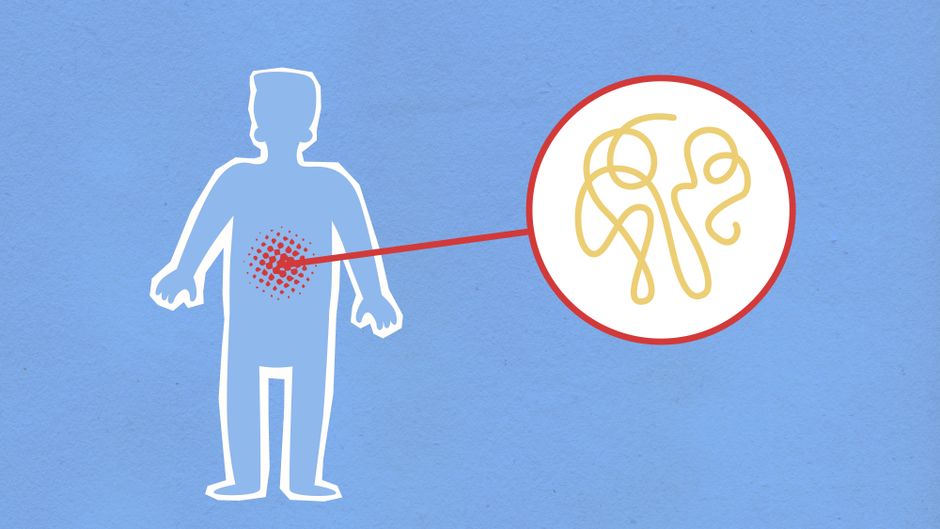
Yes, gallbladder problems can cause bloating. This is one of the most common symptoms people report before they are diagnosed with gallstones, inflammation, or other gallbladder issues. The bloating usually happens after eating, especially after a fatty meal. It is not the only symptom, but it is often the first one that makes people pay attention.
How Does the Gallbladder Cause Bloating?
The gallbladder sits under your liver. Its job is to store bile, a fluid your liver makes to help digest fat. When you eat a fatty meal, your gallbladder squeezes bile into your small intestine. That bile breaks down the fat so your body can absorb it.
When something goes wrong with the gallbladder, this process gets disrupted. Gallstones can block the bile duct. The gallbladder can become inflamed. Or the gallbladder may not squeeze properly. In all these cases, bile does not reach the intestine in the right amount or at the right time.
Without enough bile, fat moves through your digestive system undigested. That undigested fat sits in your gut and ferments. Bacteria in your colon break it down, which produces gas. That gas is what causes the bloating you feel. The bloating is not just air you swallowed. It is gas created by bacteria feeding on fat your body could not process.
Research published in the Journal of Clinical Gastroenterology found that up to 60 percent of people with confirmed gallstones report bloating as a symptom. The study noted that bloating was more common after meals containing more than 30 grams of fat.
What Other Symptoms Come with Gallbladder-Related Bloating?
Bloating alone does not mean you have gallbladder problems. Many things cause bloating. But when gallbladder issues are the cause, bloating rarely travels alone.
The most specific symptom is pain in the upper right side of your abdomen. This pain can radiate to your right shoulder blade or your back. It often starts suddenly and gets worse over an hour or two. The pain can be intense enough to send people to the emergency room.
Other common symptoms include nausea after eating, vomiting, and indigestion that feels like heartburn but sits higher in the abdomen. Some people notice their stools become lighter in color, almost clay-colored. That happens because bile is not reaching the intestine to give stool its normal brown color. Dark urine is another possible sign.
One symptom that many people do not connect to the gallbladder is feeling uncomfortably full after eating only a small amount. This is called early satiety. It happens because the gallbladder inflammation can affect the nerves that tell your stomach it is full.
If you have bloating plus any of these other symptoms, the chances of a gallbladder problem go up significantly. If you have bloating alone with no pain or color changes in stool, the cause is much more likely to be something else like irritable bowel syndrome or a food intolerance.
What Does Research on Gallbladder Problems and Bloating Show?
The research is clear that gallbladder problems cause bloating, but it is also clear that bloating is not the most reliable symptom for diagnosis. The American College of Gastroenterology states that bloating and indigestion are common in people with gallstones, but they are not specific enough to diagnose the condition on their own.
A study in the World Journal of Gastroenterology followed 300 people with confirmed gallstones. They found that 72 percent reported abdominal pain, but only 48 percent reported bloating. The researchers concluded that bloating is a secondary symptom, not a primary one. Pain remains the strongest indicator.
Another study looked at people who had their gallbladders removed. Before surgery, 55 percent reported bloating. Six months after surgery, only 12 percent still reported it. This suggests that for most people, the bloating was directly caused by the gallbladder problem and resolved once the gallbladder was gone.
However, about one in five people who have their gallbladder removed still experience bloating afterward. This is called post-cholecystectomy syndrome. It can happen because bile now drips continuously into the intestine instead of being released in response to fat. That constant bile can irritate the gut and cause gas and bloating in some people.




Will Gallbladder Problems Cause Bloating Differently Than Other Conditions?
This is where things get tricky. The bloating from gallbladder problems feels very similar to bloating from other digestive issues. You cannot tell the difference by the sensation alone. But you can tell by the pattern.
Gallbladder bloating almost always happens within 30 minutes to two hours after eating a meal that contains fat. A salad with light dressing might not trigger it. A cheeseburger with fries almost certainly will. The bloating from IBS, by contrast, can happen after any meal or even when you have not eaten.
The timing matters. Gallbladder bloating comes on relatively quickly after eating and builds over the next few hours. It usually resolves once the gallbladder stops trying to push bile through a blocked duct. That can take four to six hours. IBS bloating tends to build throughout the day and get worse toward evening.
Another difference is the location of the fullness. Gallbladder bloating often feels like pressure high up on the right side of your abdomen, just below the ribs. General digestive bloating is usually more centered or lower in the belly.
One small study from the University of Michigan Health System asked people to draw where they felt their bloating. Those with confirmed gallbladder disease consistently marked the upper right quadrant. Those with IBS marked the lower abdomen or the entire belly.
How Is Gallbladder-Related Bloating Diagnosed?
If your doctor suspects your bloating comes from your gallbladder, they will start with an ultrasound. This is the standard test. It is painless, quick, and does not use radiation. The ultrasound can see gallstones, thickened gallbladder walls from inflammation, and sludge in the gallbladder.
An ultrasound is about 95 percent accurate for detecting gallstones. If it is negative but your symptoms strongly point to the gallbladder, your doctor may order a HIDA scan. This test tracks how well your gallbladder fills and empties. It can find problems that ultrasound misses, like a gallbladder that does not squeeze properly even though no stones are present.
Blood tests are also useful. If your bilirubin or liver enzymes are elevated, it suggests a gallstone is blocking the bile duct. That is a more serious situation that needs quick treatment.
The National Institute of Diabetes and Digestive and Kidney Diseases recommends that anyone with recurrent bloating plus upper right abdominal pain get an ultrasound. They emphasize that bloating alone, without pain, is rarely enough to justify gallbladder surgery.
One thing to avoid is self-diagnosis. Many people read online that gallbladder problems cause bloating and assume that is what they have. But bloating is so common that it is more likely caused by something else. A proper diagnosis requires imaging, not symptom matching.
What Can You Do About Gallbladder Bloating?
If you have been diagnosed with gallbladder problems, the most effective treatment is surgery to remove the gallbladder. This is called a cholecystectomy. It is one of the most common surgeries performed in the United States, with about 700,000 done each year according to the American College of Surgeons.
For people who cannot have surgery or want to wait, diet changes can reduce bloating. The key is to lower fat intake, especially saturated fat. Your gallbladder has to work hardest when you eat fried foods, fatty meats, full-fat dairy, and oils. Reducing these gives your gallbladder less work to do and reduces the chance of a painful attack.
Eating smaller meals more frequently also helps. Instead of three large meals, try five or six small ones. This keeps the gallbladder from having to empty a large amount of bile all at once. A steady trickle is easier on a troubled gallbladder than a flood.
Some people report that avoiding trigger foods like eggs, pork, and onions helps. The evidence for this is mostly anecdotal. There is no strong research showing these foods are universally problematic. But if you notice a pattern, it is reasonable to avoid them.
Fiber can help in two ways. Soluble fiber binds to bile acids in the intestine and helps move them out of the body. This can reduce the irritation that causes bloating. Good sources are oats, beans, apples, and carrots. Insoluble fiber keeps things moving through the digestive tract, which can prevent the fermentation that creates gas.
One thing that does not work is gallbladder cleanses or flushes. These are popular online but have no evidence behind them. The National Center for Complementary and Integrative Health states there is no scientific support for gallbladder cleansing. In some cases, these flushes have caused people to end up in the emergency room with impacted stones.
Common Misconceptions About Gallbladder Bloating
The biggest misconception is that bloating is always present with gallbladder problems. It is not. Many people with gallstones never have any symptoms at all. The American College of Gastroenterology estimates that 80 percent of people with gallstones are asymptomatic. They only find out they have stones when an ultrasound is done for another reason.
Another misconception is that gallbladder problems only affect older, overweight women. While it is true that women over 40 who are overweight have the highest risk, gallbladder disease can happen to anyone. Men get it. Young people get it. Thin people get it. Risk factors include rapid weight loss, pregnancy, diabetes, and certain medications like birth control pills.
Some people believe that if they have no pain, they cannot have gallbladder problems. This is false. A condition called biliary dyskinesia causes bloating and nausea without the classic sharp pain. It happens when the gallbladder does not empty properly. It is diagnosed with a HIDA scan, not an ultrasound.
There is also a belief that removing the gallbladder causes permanent digestive problems. For most people, the opposite is true. The bloating and pain go away. Some people do have looser stools afterward, but this usually improves within a few months. Serious long-term digestive issues after gallbladder removal are rare.
Frequently Asked Questions
Can gallbladder problems cause bloating without pain?
Yes, but it is less common. Some conditions like biliary dyskinesia cause bloating and nausea without sharp pain. Most gallbladder problems do include some level of abdominal pain or discomfort.
How soon after eating does gallbladder bloating start?
Gallbladder bloating usually starts within 30 minutes to two hours after a fatty meal. The timing depends on how quickly your gallbladder tries to release bile and whether a stone is blocking the duct.
Will drinking more water help gallbladder bloating?
Staying hydrated helps your bile stay thin and flow more easily, but water alone will not fix a blocked gallbladder. It may reduce mild symptoms but is not a treatment for gallstones or inflammation.
Can gallbladder bloating go away on its own?
The bloating from a single attack usually goes away once the gallbladder stops contracting. But the underlying problem does not go away on its own. Stones do not dissolve without medical treatment.
