
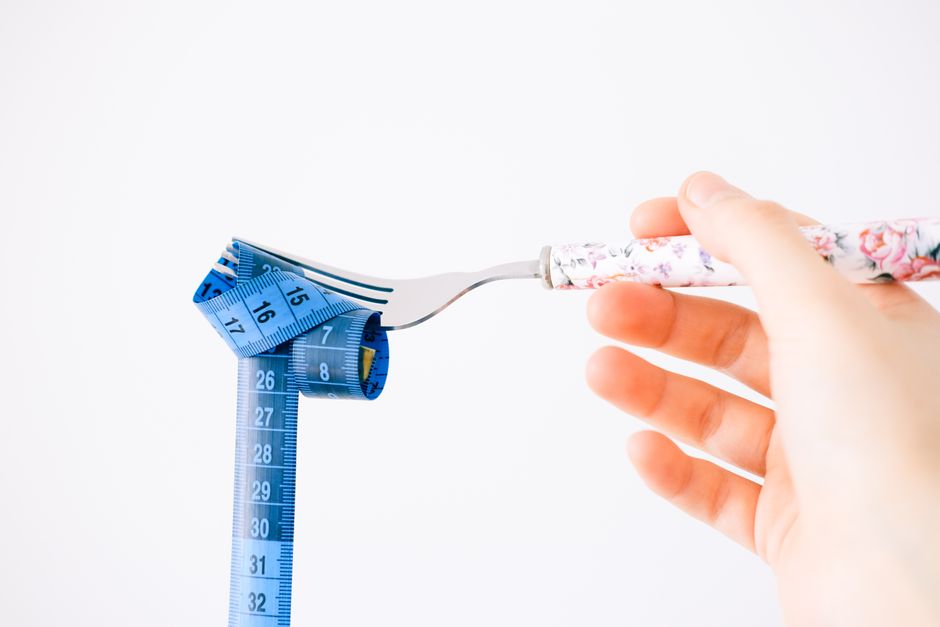
The best diet for men is not a single rigid meal plan. It is a pattern of eating that matches your calorie needs, prioritizes protein, and comes mostly from whole foods. Men have specific nutritional needs that differ from women, including higher calorie requirements and more protein to maintain muscle mass. A healthy approach focuses on getting enough protein throughout the day, eating plenty of vegetables and fruits, choosing whole grains over refined ones, and managing calories based on your activity level and goals.
How Many Calories Do Men Actually Need?
Calorie needs for men vary widely based on age, height, weight, and activity level. The average adult man needs between 2,200 and 3,000 calories per day. This range is not a prescription. It is a starting point.
A sedentary man in his 40s may need closer to 2,200 calories to maintain his weight. A physically active man in his 20s might need 3,000 or more. The key is to find your maintenance level and adjust from there.
To lose weight, most men need to eat about 500 fewer calories per day than they burn. That typically leads to about one pound of weight loss per week. To gain weight, you need a surplus of roughly 300 to 500 calories per day combined with resistance training.
The most reliable way to know your calorie needs is to track what you eat for a week and see how your weight responds. Apps can estimate, but your own body is the most accurate tool. If your weight stays steady, you have found your maintenance calories.
Why Protein Matters More for Men Than You Think
Protein is the most important nutrient for men to get right. It supports muscle maintenance, recovery from exercise, and helps control appetite. As men age, muscle mass naturally declines. Adequate protein intake slows this process.
The general recommendation for healthy adult men is 0.8 grams of protein per kilogram of body weight per day. For a 180-pound man, that is about 65 grams. However, this number is the minimum to prevent deficiency, not the optimal amount for health and fitness.
Men who exercise regularly, lift weights, or want to build or maintain muscle benefit from more. Research consistently shows that 1.6 to 2.2 grams per kilogram of body weight per day supports muscle growth and maintenance. For a 180-pound man, that is roughly 130 to 180 grams of protein daily.
Spreading protein intake across meals matters. Aim for 25 to 40 grams of protein at each meal. This approach stimulates muscle protein synthesis more effectively than eating all your protein in one sitting.
What Are the Best Protein Sources for Men?
Complete proteins contain all nine essential amino acids your body cannot make on its own. Animal sources provide complete proteins naturally. Plant sources can also provide complete proteins when eaten in variety.
- Chicken, turkey, and lean beef
- Fish and seafood
- Eggs
- Greek yogurt and cottage cheese
- Whey or plant-based protein powders
- Lentils, beans, and chickpeas
- Tofu and tempeh
- Quinoa
Red meat can be part of a healthy diet, but moderation matters. The evidence links high consumption of processed meats to increased health risks. Choose lean cuts and limit processed options like bacon and deli meats.
Fish provides protein plus omega-3 fatty acids, which support heart health. Fatty fish like salmon, sardines, and mackerel are particularly good choices. Aim for fish at least twice a week if you enjoy it.





What Should a Man’s Plate Look Like?
A simple visual guide works well for building balanced meals. Divide your plate into sections. Fill half with vegetables and fruits. Fill one quarter with lean protein. Fill the remaining quarter with whole grains or starchy vegetables.
This approach automatically controls calories while ensuring adequate nutrients. It does not require counting every gram or weighing every portion.
Vegetables provide fiber, vitamins, and minerals that support digestion and reduce disease risk. Whole grains like oats, brown rice, and quinoa provide sustained energy and more fiber than refined grains. White bread, sugary cereals, and pastries spike blood sugar and leave you hungry sooner.
Healthy fats from olive oil, nuts, seeds, and avocados support hormone production, including testosterone. Men who eat too little fat may see negative effects on hormone levels. Fat should make up roughly 20 to 35 percent of daily calories.
How Does Alcohol Affect a Man’s Diet?
Alcohol adds significant calories without providing nutrients. A single beer has about 150 calories. A cocktail can easily exceed 300 calories. Drinking several times per week can undermine weight loss efforts without obvious cause.
Alcohol also affects muscle recovery and sleep quality. Both matter for men trying to build or maintain muscle. The evidence consistently shows that heavy drinking harms health. Moderate drinking, defined as up to two drinks per day for men, has mixed evidence regarding benefits.
If you are trying to lose weight or improve body composition, reducing alcohol intake is one of the most effective changes you can make. No amount of alcohol is required for a healthy diet.
Do Men Need Supplements?
Most men can meet their nutritional needs through food alone. Supplements are not a substitute for a poor diet. However, some men genuinely benefit from specific supplements.
Vitamin D is the most common deficiency among men. Your body makes it from sunlight, but many men spend most of their time indoors. A blood test can confirm whether you are deficient. If you are, supplementation is appropriate.
Creatine is one of the most researched supplements for men. Studies consistently show it improves strength and muscle mass when combined with resistance training. It is safe at recommended doses.
Protein powder is convenient but not necessary. Whole food protein sources are equally effective and provide additional nutrients. Use protein powder when you need a quick, portable source of protein.
Be cautious with testosterone boosters marketed aggressively to men. Most over-the-counter products have no clinical evidence supporting their claims. If you suspect low testosterone, see a doctor for a blood test rather than buying supplements online.
How Does Age Change a Man’s Diet Needs?
Men over 50 need fewer calories but more protein. Muscle loss accelerates with age, a condition called sarcopenia. Higher protein intake helps slow this process.
Men over 50 should aim for the higher end of the protein range, around 1.2 to 1.6 grams per kilogram of body weight per day. This supports muscle maintenance and helps preserve strength for daily activities.
Older men also need more calcium and vitamin D to protect bone health. Bone density declines with age, increasing fracture risk. Dairy products, fortified foods, and leafy greens provide these nutrients.
Fiber becomes more important with age. It supports digestive health, helps manage cholesterol, and improves blood sugar control. Men over 50 should aim for at least 30 grams of fiber daily from whole plant foods.
What Is the Best Diet for Men Calories Protein More?
The best diet for men is one that provides adequate calories for your goals, emphasizes protein at every meal, and comes mostly from whole foods. There is no single perfect diet. The Mediterranean diet, a balanced macronutrient approach, and flexible dieting all work when they are followed consistently.
The most important factors are consistency and adherence. The best diet is the one you can maintain long term. A short-term restrictive diet that you abandon after three weeks produces worse results than a flexible approach you sustain for years.
Focus on the fundamentals before optimizing anything else. Eat enough protein. Eat mostly whole foods. Control calories based on your goal. Lift weights regularly. Sleep seven to nine hours per night. These basics drive most of the results.
What Are Common Diet Mistakes Men Make?
One common mistake is eating too little protein. Many men eat a low-protein breakfast like cereal or toast, a moderate-protein lunch, and a large protein-heavy dinner. This pattern does not support muscle maintenance as well as spreading protein across all meals.
Another mistake is relying on cheat meals that become cheat days. One high-calorie meal does not ruin a week of good eating. Three consecutive days of overeating will slow progress. Consistency across the week matters more than perfection on any single day.
Men also tend to overlook vegetables. A diet heavy in meat and grains but light on produce misses important vitamins, minerals, and fiber. Aim for at least five servings of vegetables and fruits per day.
Finally, many men drink too many liquid calories. Soda, sweetened coffee drinks, sports drinks, and alcohol add hundreds of calories without satisfying hunger. Replacing these with water is one of the simplest changes you can make.
Frequently Asked Questions
How much protein should a man eat per day?
For general health, men need at least 0.8 grams of protein per kilogram of body weight daily. Active men benefit from 1.6 to 2.2 grams per kilogram, especially when trying to build or maintain muscle.
Should men count calories to lose weight?
Counting calories is one effective method, but not the only one. Eating smaller portions, reducing processed foods, and increasing protein and vegetables can create a calorie deficit without formal tracking.
Are carbs bad for men trying to lose weight?
No. Carbohydrates are not inherently fattening. Excess calories cause weight gain regardless of the source. Whole grains, fruits, and vegetables provide valuable nutrients and fiber and can fit into any weight loss plan.
Do men need testosterone supplements?
Most over-the-counter testosterone boosters have no evidence supporting their claims. If you have symptoms of low testosterone, see a doctor for proper testing rather than self-treating with supplements.
