
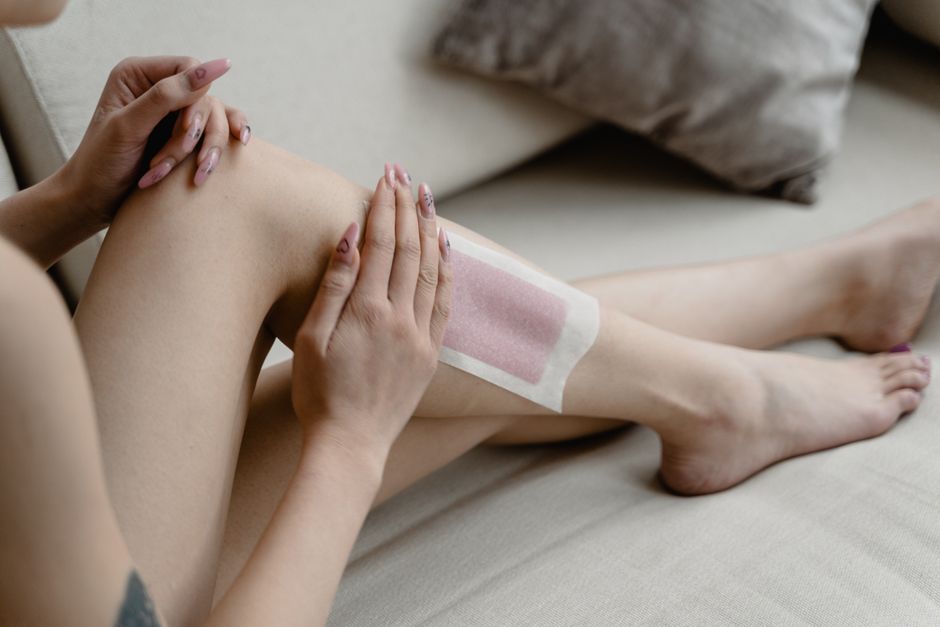
Sugar waxing, often called sugaring, is a method of hair removal that uses a thick paste made from just sugar, lemon juice, and water. This paste is pressed onto the skin in the opposite direction of hair growth and then pulled off in the direction of growth. It is an ancient technique that has become a popular alternative to traditional waxing because it uses only natural ingredients and can be less painful for many people.
How Does Sugar Waxing Actually Work?
The sugar paste has a honey-like consistency. Unlike hard or soft wax, sugar paste does not stick to live skin cells. It only adheres to the hair and dead skin cells. This is why it is often described as gentler on the skin.
When you apply the paste, you push it against the direction of hair growth. This forces the paste to grip the hair shaft. When you pull it off in the direction of growth, the hair is removed from the follicle at the root. Because the paste does not grip the top layer of living skin, it reduces the risk of lifting or tearing the skin.
This mechanism also means that hairs are less likely to break off at the surface. They are pulled out completely. Over time, consistent sugaring can lead to finer regrowth because the hair follicle is repeatedly emptied.
What Is Sugar Waxing Hair Removal vs. Traditional Waxing?
The main difference lies in the temperature and the ingredients. Traditional wax is usually heated and applied warm. Sugar paste is used at room temperature or slightly warm. This eliminates the risk of burns from overheated wax.
The application direction also differs. Hard wax is applied in the direction of hair growth and removed against it. Soft wax is applied with the growth and removed with cloth strips against the growth. Sugar paste is always applied against the growth and removed with the growth.
This removal direction is a key reason why sugaring is often reported as less painful. Pulling the hair out in its natural growth direction causes less trauma to the follicle and reduces the chance of the hair breaking or becoming ingrown.
For people with sensitive skin or conditions like eczema, sugaring is frequently the preferred choice. Since the paste is water-soluble, cleanup is easy. It does not leave a sticky residue that requires harsh chemical removers.
What Ingredients Are in Sugar Wax?
Authentic sugar wax contains only three ingredients: granulated sugar, lemon juice, and water. The mixture is heated and stirred until it reaches a specific consistency. It forms a pliable ball that can be kneaded and pressed onto the skin.
Some commercial products add other ingredients like glycerin, essential oils, or honey. These are not necessary for the paste to work. They are often added for scent or to change the texture. If you have sensitive skin, a plain three-ingredient paste is the safest option.
Lemon juice serves a purpose beyond flavor. It helps prevent the sugar from crystallizing into hard candy. The acid in the lemon breaks down the sugar molecules, keeping the paste soft and workable. If you are allergic to citrus, you can substitute apple cider vinegar, but this changes the consistency slightly.


Is Sugar Waxing Less Painful Than Regular Wax?
Many people find sugaring less painful. The reason is mechanical, not just subjective. When the paste is removed in the direction of hair growth, it does not yank the hair against the grain. This reduces the sharp, stinging sensation that comes with traditional waxing.
The paste also does not adhere to the skin. Traditional wax grips the top layer of skin and lifts it slightly during removal. This is a major source of pain. Sugar paste only grips the hair, so the pulling force is concentrated on the hair itself, not the skin surface.
Pain tolerance is individual. Areas with thin skin, like the upper lip or bikini line, will still be sensitive. But the overall experience is frequently described as more tolerable. If you have never waxed before, sugaring is a reasonable starting point.
How to Prepare for a Sugar Waxing Session
Hair needs to be at least a quarter of an inch long for the paste to grip it. If the hair is too short, the paste will not be able to grab it, and you will be left with patchy results. This is often the most frustrating part for people who are used to shaving.
Your skin should be clean and dry. Do not apply lotions, oils, or moisturizers before sugaring. These create a barrier between the paste and the hair, causing the paste to slip. Exfoliating gently the day before can help remove dead skin cells and make it easier for the paste to grip hairs.
Avoid caffeine before your appointment. Caffeine can make your skin more sensitive to pain. If you are sugaring at home, take a warm shower first to open the pores. This softens the hair and makes removal easier.
How Long Does Sugar Waxing Last?
Sugaring removes hair from the root, not just the surface. This means results last noticeably longer than shaving. Most people get 3 to 6 weeks of smooth skin from a single session. The exact duration depends on your hair growth cycle and the area treated.
Hair grows in cycles. Not all hairs are in the active growth phase at the same time. This is why you may see some new growth before others. Regular sugaring every 4 to 6 weeks helps synchronize the hair growth cycles, leading to more consistent results.
Consistency also leads to weaker regrowth. Hairs that are repeatedly pulled from the root can become finer and lighter over time. Some people eventually have very sparse regrowth in regularly treated areas.
Can You Sugar Wax at Home?
Yes, you can make sugar wax at home. The recipe is simple. Combine two cups of sugar, a quarter cup of lemon juice, and a quarter cup of water in a saucepan. Heat the mixture while stirring until it turns a golden amber color. Let it cool until it is workable but not burning.
Home sugaring is cost-effective, but it has a learning curve. The consistency of the paste is critical. If it is too sticky, it will not remove hair. If it is too hard, it will crumble. Getting it right often takes several attempts.
Applying the paste correctly is also a skill. You must press it firmly against the skin and pull it off quickly and parallel to the skin, not upward. Pulling upward can cause bruising. If you are new to sugaring, consider having a professional do the first session so you can see the technique in person.
What Are the Risks and Side Effects?
Sugaring is generally safe, but it is not without risks. The most common side effect is redness and mild irritation immediately after removal. This usually fades within a few hours. Applying a gentle, fragrance-free moisturizer can soothe the area.
Ingrown hairs can still occur with sugaring, though they are less common than with shaving. This happens when a hair curls back and grows into the skin. Regular exfoliation between sessions can help prevent this.
People with diabetes should be cautious with home sugaring. Because the paste is made primarily of sugar, any open wound or cut can become a site for bacterial growth. If you have diabetes or any condition that impairs skin healing, consult a dermatologist before attempting sugaring.
Do not sugar wax skin that is sunburned, irritated, or has open sores. The pulling action can worsen these conditions. If you are taking medications that thin the skin, such as topical retinoids or Accutane, sugaring can cause tearing. Speak with your doctor first.
Who Should Avoid Sugar Waxing?
People with active skin infections, severe varicose veins, or a history of keloid scarring should avoid sugaring on affected areas. The mechanical pulling can aggravate these conditions.
If you are using prescription-strength acne medications, your skin may be too fragile for sugaring. These medications increase skin sensitivity and can cause the skin to tear during hair removal. Always check with your dermatologist.
Pregnant women often experience increased skin sensitivity. Sugaring is generally considered safe during pregnancy because the ingredients are natural and no chemicals are absorbed through the skin. However, you should still check with your healthcare provider, especially if you have pregnancy-related skin conditions.
Frequently Asked Questions
Does sugar waxing hurt more than regular waxing?
Most people find sugar waxing less painful than regular waxing. The paste does not stick to live skin cells, and it is removed in the direction of hair growth, which reduces the pulling sensation.
How long does hair need to be for sugar waxing?
Hair should be about a quarter of an inch long. If it is shorter, the paste cannot grip it and removal will be incomplete.
Can I make sugar wax at home?
Yes, you can make it with sugar, lemon juice, and water. The process requires careful heating to get the right consistency, so it may take a few tries to get right.
Is sugar waxing safe for sensitive skin?
It is often recommended for sensitive skin because it does not adhere to the skin surface. However, you should still patch test a small area first and avoid treating irritated or sunburned skin.
