
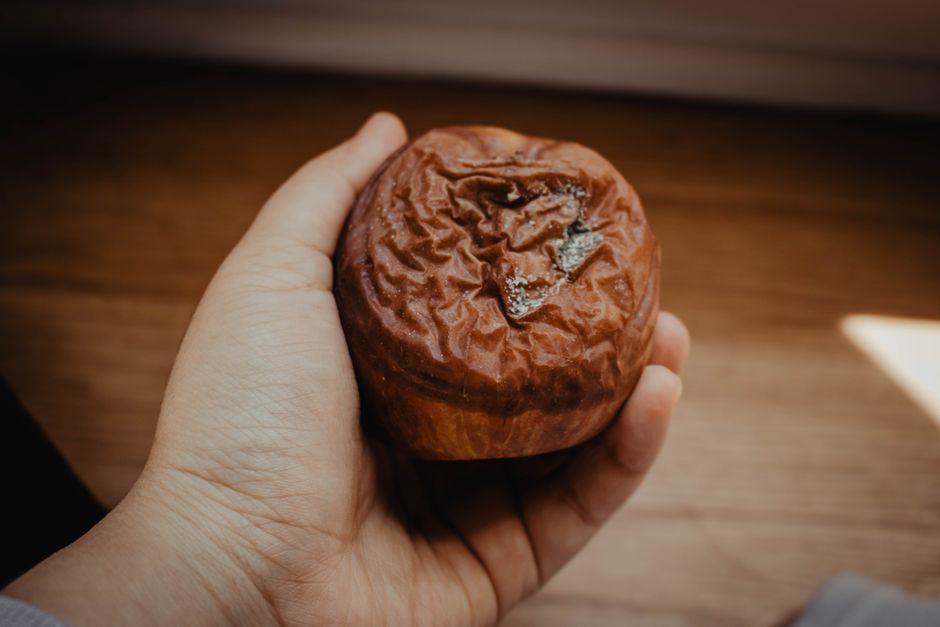
Spoilage is the process that turns fresh food into something you would not want to eat. It happens when microbes like bacteria, yeasts, and molds break down food, or when the food’s own enzymes cause it to decay from the inside. Understanding why food decays matters because it affects your health, your grocery budget, and how you store everything from leftovers to fresh produce.
What Is Spoilage How Food Decays And Why It Matters?
Food spoilage is any change that makes food unsafe, unpalatable, or both. The main drivers are microorganisms, enzymes naturally present in the food, oxidation, and physical damage.
Bacteria are the most common cause of foodborne illness. They multiply rapidly in the temperature range between 40°F and 140°F (4°C to 60°C), often called the “danger zone.” In this range, a single bacterium can multiply into millions within hours. That is why the USDA advises keeping perishable food out of this range whenever possible.
Yeasts and molds also cause spoilage. Molds grow as visible fuzzy patches and can produce mycotoxins, which are toxic compounds. Some mycotoxins, like aflatoxin, are known carcinogens. This is why you should discard moldy food rather than cutting off the visible mold, especially for soft foods like bread, jam, or soft cheese. For hard foods like hard cheese or firm vegetables, you can sometimes cut away at least one inch around and below the mold, according to USDA guidance.
Enzymes inside food continue working after harvest or slaughter. They cause browning in cut apples, softening in overripe bananas, and eventual breakdown of cell walls. This enzymatic activity is not always harmful, but it changes texture and flavor.
Oxidation happens when food reacts with oxygen. Fats go rancid. Cut fruits and vegetables brown. Vitamins, especially vitamin C, degrade. This is why airtight packaging and antioxidants like vitamin E are used in food preservation.
Physical damage, like bruising or puncturing, opens the door for microbes to enter and speeds up spoilage.
How Do Bacteria, Mold, and Yeast Actually Spoil Food?
Bacteria spoil food by consuming nutrients and producing waste products. Some bacteria produce acids that sour food. Others produce gases that cause swelling in cans or packages. Some produce toxins that are not destroyed by cooking.
Pathogenic bacteria like Salmonella, E. coli, and Listeria are particularly dangerous because they can cause illness even when the food looks and smells normal. You cannot rely on sight or smell to detect them.
Molds grow in thread-like structures called hyphae. They release enzymes that break down food, then absorb the nutrients. Molds can grow in acidic, low-moisture, and even refrigerated environments where bacteria struggle. That is why you sometimes see mold on bread or citrus fruit in the fridge.
Yeasts are single-celled fungi. They ferment sugars into alcohol and carbon dioxide. This is useful in baking and brewing, but unwanted yeast can cause fizzy or slimy spoilage in juices, syrups, and pickles.
The type of spoilage depends on the food and the conditions. High-protein foods like meat and dairy tend to support bacterial growth. High-sugar foods like jam and honey are more prone to yeast and mold. High-fat foods like nuts and oils are more prone to oxidation and rancidity.
What Factors Speed Up or Slow Down Food Decay?
Temperature is the single biggest factor. Cold temperatures slow microbial growth and enzyme activity. The FDA recommends keeping your refrigerator at or below 40°F (4°C) and your freezer at 0°F (-18°C).
Moisture matters too. Bacteria need water to grow. Drying, salting, and adding sugar all reduce water availability and preserve food. This is why jerky, salted fish, and honey last so long.
Acidity plays a role. Most bacteria cannot grow well in highly acidic environments. That is why vinegar pickling and lemon juice preserve food. Molds and yeasts are more acid-tolerant, which is why acidic foods can still mold.
Oxygen availability affects which microbes thrive. Vacuum sealing removes oxygen and slows aerobic bacteria and molds, but it can favor anaerobic bacteria like Clostridium botulinum, which causes botulism. This is why vacuum-sealed fresh food still needs refrigeration.
Light and heat accelerate oxidation and nutrient loss. Store oils and spices in dark, cool places.
Time is the final factor. Even under perfect conditions, food will eventually spoil. There is no way to make fresh food last forever.


How Can You Tell If Food Has Spoiled?
Your senses are useful but not foolproof. Off odors, slimy textures, discoloration, and visible mold are clear signs. But some dangerous bacteria, like Listeria, do not change the smell, taste, or appearance of food.
For meat and poultry, look for a sticky or tacky surface, a sour or ammonia-like smell, or a color change from pink to gray or brown. For fish, fresh fish should smell mild and briny, not fishy or ammonia-like.
For dairy, curdling, separation, or a sour smell indicates spoilage. Mold on yogurt or sour cream means you should discard the entire container, because mold can send invisible threads below the surface.
For produce, soft spots, mushy texture, or off smells mean spoilage. However, some fruits like bananas and avocados change texture as they ripen normally. Ripening is not spoilage.
For canned goods, bulging cans, leaks, or a spurting sound when opened are signs of bacterial growth and possible toxin production. Discard these immediately without tasting.
When in doubt, throw it out. The cost of food poisoning, which can include severe dehydration, hospitalization, and in rare cases long-term health problems, is far higher than the cost of a questionable meal.
What Are the Health Risks of Eating Spoiled Food?
The health risks range from mild stomach upset to life-threatening illness. It depends on the microbe, the amount consumed, and your overall health.
Common foodborne pathogens like Salmonella and Campylobacter cause diarrhea, fever, and abdominal cramps within hours to days. Most healthy adults recover without treatment, but some cases require hospitalization.
Listeria is especially dangerous for pregnant women, newborns, older adults, and people with weakened immune systems. It can cause invasive illness, including meningitis and bloodstream infections. The CDC estimates that Listeria causes about 1,600 illnesses and 260 deaths in the U.S. each year.
E. coli O157:H7 can cause bloody diarrhea and, in severe cases, hemolytic uremic syndrome, which damages the kidneys. This is more common in children under 5 and older adults.
Mycotoxins from mold can cause acute poisoning or long-term health effects, including liver damage and cancer. Aflatoxin, produced by certain Aspergillus molds, is a known human carcinogen.
Rancid fats do not usually cause acute illness, but they can cause stomach upset and contain free radicals that may contribute to chronic disease over time.
How Should You Store Food to Prevent Spoilage?
Proper storage is your best defense. Start with a clean refrigerator and freezer. Keep them at the right temperatures: 40°F or below for the fridge, 0°F for the freezer.
Refrigerate perishable foods within two hours of cooking or purchasing. If the temperature is above 90°F, refrigerate within one hour.
Store raw meat, poultry, and seafood on the bottom shelf in sealed containers to prevent juices from dripping onto other foods.
Keep fruits and vegetables separate. Some produce, like apples, bananas, and tomatoes, release ethylene gas, which speeds ripening and spoilage in other produce.
Use airtight containers for leftovers. This limits oxygen exposure and prevents cross-contamination.
Label and date everything. The USDA’s FoodKeeper app provides storage times for hundreds of foods, but general guidelines include:
- Cooked leftovers: 3 to 4 days in the refrigerator
- Raw ground meat: 1 to 2 days in the refrigerator
- Fresh poultry: 1 to 2 days in the refrigerator
- Fresh fish: 1 to 2 days in the refrigerator
- Hard cheese: 3 to 4 weeks in the refrigerator after opening
- Milk: about 7 days after the sell-by date if stored properly
Freezing does not kill bacteria, but it stops them from growing. Frozen food can last indefinitely if kept at 0°F, though quality declines over time.
Does Cooking Spoiled Food Make It Safe?
Cooking kills many bacteria and molds, but it does not make spoiled food safe. Some toxins produced by bacteria and molds are heat-stable and survive cooking.
For example, Staphylococcus aureus produces enterotoxins that are not destroyed by boiling. Bacillus cereus produces emetic toxins that also survive heat. Aflatoxin from mold is heat-stable as well.
If food has visible mold, off odors, or slimy texture, cooking will not fix it. Discard it.
If food is merely past its peak freshness but has no signs of spoilage, cooking may still be safe. But this is a judgment call, and the safest approach is to follow storage guidelines and not push your luck.
Frequently Asked Questions
How long can cooked food sit out before it spoils?
Cooked food should not sit at room temperature for more than two hours. If the temperature is above 90°F, discard it after one hour.
Can you eat food if you cut off the moldy part?
For hard foods like hard cheese and firm vegetables, you can cut off at least one inch around and below the mold. For soft foods like bread, jam, and soft cheese, discard the entire item.
Does freezing kill bacteria that cause food poisoning?
Freezing does not kill bacteria, it only stops them from growing. When frozen food thaws, bacteria can become active again and multiply.
Is it safe to eat food past its expiration date?
Expiration dates are not safety dates for most foods, except infant formula. For other foods, the date is about quality, not safety. If food has been stored properly and shows no signs of spoilage, it may still be safe, but use your judgment.
