
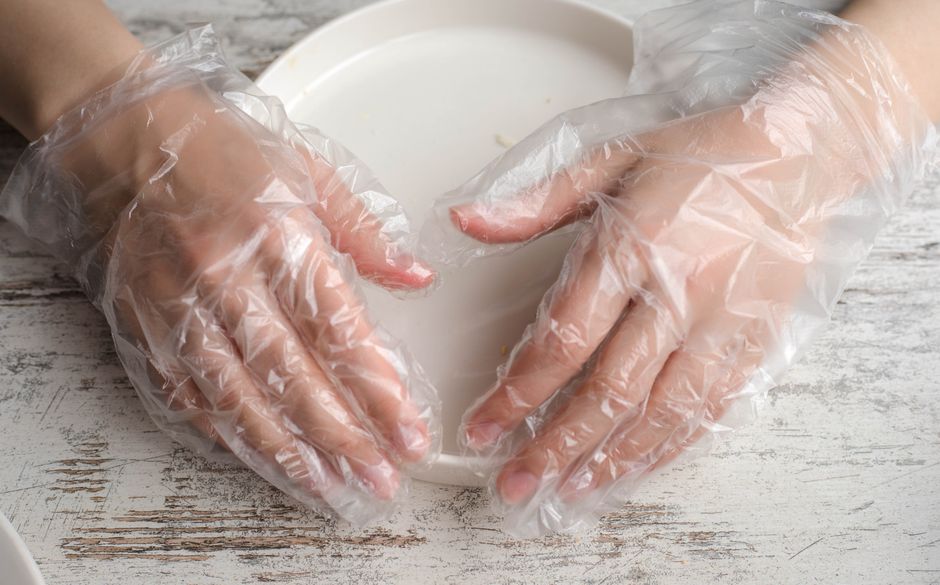
Food handling covers every step where food touches a person, a surface, or a tool — from the moment you buy it to the moment you serve it. It includes how you store raw chicken, how you wash a cutting board, and how long cooked rice sits on the counter. Poor food handling is one of the main reasons people get sick from what they eat, and most of those illnesses are preventable with simple, consistent habits.
What Does Food Handling Mean And Why It Matters
Food handling is the safe preparation, storage, and serving of food. It starts at the grocery store with how you bag raw meat and ends with how you refrigerate leftovers. Every touch point matters because bacteria, viruses, and parasites can move from one food to another or multiply in food that is kept at the wrong temperature.
The stakes are real. The Centers for Disease Control and Prevention estimates that roughly one in six Americans gets a foodborne illness each year. Most cases are mild and pass in a few days. But some infections lead to hospitalization, long-term health problems, or death — especially for young children, older adults, pregnant women, and people with weakened immune systems.
The good news is that most foodborne illness is avoidable. The core rules are simple: keep hands and surfaces clean, separate raw from ready-to-eat foods, cook to the right temperature, and refrigerate promptly. These are not complicated medical concepts. They are daily habits.
What Are the Four Core Rules of Safe Food Handling
Public health agencies around the world organize food safety around four main principles. These are the foundation of every food safety training program, from restaurant kitchens to home cooks.
Clean. Wash hands with soap and water for at least 20 seconds before and after handling food. Wash cutting boards, dishes, utensils, and countertops with hot soapy water after each use. Rinse fresh fruits and vegetables under running water — even ones you plan to peel. Do not wash raw meat, poultry, or eggs. Washing these spreads bacteria around your sink and counter.
Separate. Raw meat, poultry, seafood, and eggs contain bacteria that can contaminate other foods. Keep them away from foods that will not be cooked. Use separate cutting boards for raw meat and fresh produce. Store raw meat on the bottom shelf of the refrigerator so its juices cannot drip onto other foods.
Cook. Heat kills the bacteria that cause foodborne illness, but only when food reaches a high enough internal temperature. Use a food thermometer, not a visual check. Color and texture are not reliable indicators that food is safe.
Chill. Bacteria multiply fastest between 40°F and 140°F — the danger zone. Refrigerate perishable foods within two hours, or within one hour if the room temperature is over 90°F. Keep your refrigerator at 40°F or below and your freezer at 0°F or below.
Which Foods Carry the Highest Risk
Some foods are more likely to cause illness than others. These are called high-risk foods, and they need extra care.
Raw or undercooked meat and poultry. Ground beef, chicken, turkey, and pork can carry bacteria like Salmonella, E. coli, and Campylobacter. Ground meat is especially risky because bacteria on the surface get mixed throughout during grinding. Cook ground beef to 160°F, ground poultry to 165°F, and whole cuts of meat to at least 145°F with a three-minute rest time.
Raw eggs. Salmonella can live inside eggs, not just on the shell. Cook eggs until both the white and yolk are firm. Dishes containing eggs — like casseroles or quiche — should reach 160°F.
Seafood. Raw or undercooked fish and shellfish can carry viruses, bacteria, and parasites. Cook fish to 145°F or until the flesh is opaque and flakes easily. If you eat raw fish, be aware that freezing does not kill all pathogens — it only kills certain parasites.
Dairy and soft cheeses. Unpasteurized milk and cheeses made from it can carry Listeria, Salmonella, and E. coli. Choose pasteurized products, especially if you are pregnant.
Fresh produce. Lettuce, spinach, sprouts, melons, and berries have caused large outbreaks. Bacteria can get onto produce through contaminated water, soil, or handling. Washing reduces but does not eliminate risk. People with weakened immune systems should consider cooking produce that is known to cause outbreaks.





What Is the Danger Zone and Why Does Temperature Matter
The danger zone is the temperature range between 40°F and 140°F. In this range, bacteria can double in number in as little as 20 minutes. One bacterium can become millions in a few hours.
This is why the two-hour rule exists. Perishable food left out at room temperature for more than two hours should be thrown away. After two hours, enough bacteria may have multiplied to cause illness — even if the food looks, smells, and tastes fine.
Hot food should be kept hot, at 140°F or above, if you are serving it over time. Cold food should be kept cold, at 40°F or below. Chafing dishes, slow cookers, and ice baths are tools for this. Do not leave food sitting out on a buffet for hours and then refrigerate the leftovers. Food that has been in the danger zone for too long should be discarded.
One common mistake is putting hot food directly into the refrigerator. This is actually fine. Large containers of hot food can raise the temperature inside the refrigerator, so divide them into smaller shallow containers first. This helps food cool quickly and evenly.
How Does Cross-Contamination Actually Happen
Cross-contamination is the transfer of harmful bacteria from one food, surface, or person to another. It is one of the most common causes of foodborne illness in home kitchens.
The classic example is cutting raw chicken on a cutting board and then using the same board — without washing it — to chop vegetables for a salad. The bacteria from the chicken transfer to the vegetables, and the salad is served raw. The bacteria never get cooked off, and anyone who eats the salad is exposed.
But cross-contamination is not just about cutting boards. It happens in many ways:
- Touching raw meat and then touching a faucet handle, cabinet knob, or phone without washing your hands.
- Using the same knife for raw meat and cooked food.
- Putting cooked food on a plate that previously held raw meat.
- Dripping raw meat juices onto ready-to-eat foods in the refrigerator.
- Using a sponge or dishcloth that has not been cleaned to wipe surfaces that touched raw meat.
The fix is simple: wash, separate, and when in doubt, throw it out. If a surface touched raw meat, poultry, or seafood, wash it with hot soapy water before it touches anything else. Sponges and dishcloths should be replaced regularly or sanitized. Kitchen towels used to dry hands should be changed frequently.
What Are the Most Common Foodborne Illnesses
Several bacteria and viruses cause the majority of foodborne illness in the United States. Knowing them helps you understand why certain rules exist.
Norovirus is the leading cause of foodborne illness in the U.S. It spreads easily from person to person and through contaminated food. It causes vomiting and diarrhea, usually within 12 to 48 hours of exposure. Most people recover in one to three days, but it can be severe in older adults and young children.
Salmonella is found in raw poultry, eggs, meat, and produce. It causes diarrhea, fever, and stomach cramps that start within 6 hours to 6 days after eating contaminated food. Most people recover without treatment, but severe cases may require hospitalization.
E. coli — specifically the strain O157:H7 — is linked to undercooked ground beef, raw milk, and contaminated produce. It can cause severe bloody diarrhea and, in some cases, kidney failure. Children under five and older adults are at highest risk.
Listeria is unusual because it can grow at refrigerator temperatures. It is found in deli meats, soft cheeses, and unpasteurized dairy. Listeria infection is especially dangerous during pregnancy and can cause miscarriage or severe illness in newborns.
Campylobacter is one of the most common causes of bacterial diarrhea in the U.S. It is usually linked to raw or undercooked poultry and unpasteurized milk.
Who Is Most at Risk for Severe Foodborne Illness
Anyone can get foodborne illness, but some groups are far more likely to have severe complications. This matters because food safety rules are not equally important for everyone.
Pregnant women are at higher risk for Listeria infection, which can harm the fetus even if the mother has mild symptoms. Pregnant women are advised to avoid unpasteurized dairy, deli meats unless heated until steaming hot, and raw or undercooked seafood, meat, and eggs.
Older adults have weaker immune systems and produce less stomach acid, which means more bacteria survive digestion. Foodborne illness in older adults more often leads to dehydration and hospitalization.
Young children have immune systems that are still developing. They also get dehydrated faster than adults when they have diarrhea or vomiting.
People with chronic conditions — diabetes, liver disease, kidney disease, HIV, or anyone on chemotherapy or immunosuppressive drugs — are at higher risk for severe infection.
If you care for someone in any of these groups, the safest approach is to follow all food handling rules strictly. Do not take shortcuts with the two-hour rule, cross-contamination, or cooking temperatures.
Does Washing Raw Meat Help or Hurt
This is one of the most common food safety myths. Washing raw chicken, beef, pork, or eggs before cooking does not make them safer. It actually makes things worse.
When you rinse raw meat under the tap, water splashes bacteria onto your sink, countertops, and nearby utensils. This is called aerosolization. Bacteria can travel several feet in those water droplets. The only way to kill bacteria on meat is to cook it to the proper internal temperature — not to wash it.
There is one exception people often ask about: whole fruits and vegetables. These should be rinsed under running water before eating or cutting. Use a clean produce brush for firm items like melons and potatoes. Do not use soap, detergent, or commercial produce washes — plain running water is sufficient and safe.
If you have been washing raw poultry out of habit, you are not alone. Many people learned this from family members. But public health agencies have been clear for years: do not wash raw meat, poultry, or eggs. Cooking is the step that makes them safe.
How Long Can Leftovers Stay in the Refrigerator
Leftovers are safe in the refrigerator for three to four days, according to food safety guidelines. After that, the risk of bacterial growth increases even at proper refrigerator temperatures.
This three-to-four-day window applies to cooked meat, poultry, casseroles, soups, and other perishable leftovers. It does not apply to foods that were left out at room temperature for more than two hours — those should be discarded immediately.
Reheating leftovers does not reset the clock. If food has been in the refrigerator for four days, reheating it to a high temperature will kill bacteria, but it will not eliminate toxins that some bacteria produce. Those toxins can cause illness even after reheating.
When reheating leftovers, bring them to an internal temperature of 165°F. Soups and sauces should be brought to a rolling boil. Stir food while reheating in the microwave to eliminate cold spots where bacteria can survive.
Frequently Asked Questions
What is the difference between food safety and food handling?
Food safety is the overall goal of preventing foodborne illness, while food handling is the specific practices and behaviors that achieve that goal. Safe food handling includes cleaning, separating, cooking, and chilling — the four steps that reduce the risk of contamination and bacterial growth.
Can you get sick from food that looks and smells fine?
Yes. Food that has harmful bacteria or toxins does not always look, smell, or taste different from safe food. This is why following time and temperature rules matters more than trusting your senses.
Is it safe to eat food left out overnight if it was reheated?
No. Food left at room temperature for more than two hours should be thrown away. Reheating it later will not make it safe because some bacteria produce toxins that survive high heat.
Do I need separate cutting boards for meat and vegetables?
It is the safest practice. Using one board for raw meat and another for produce, bread, and cooked food prevents bacteria from transferring between foods. If you only have one board, wash it thoroughly with hot soapy water between uses.
