
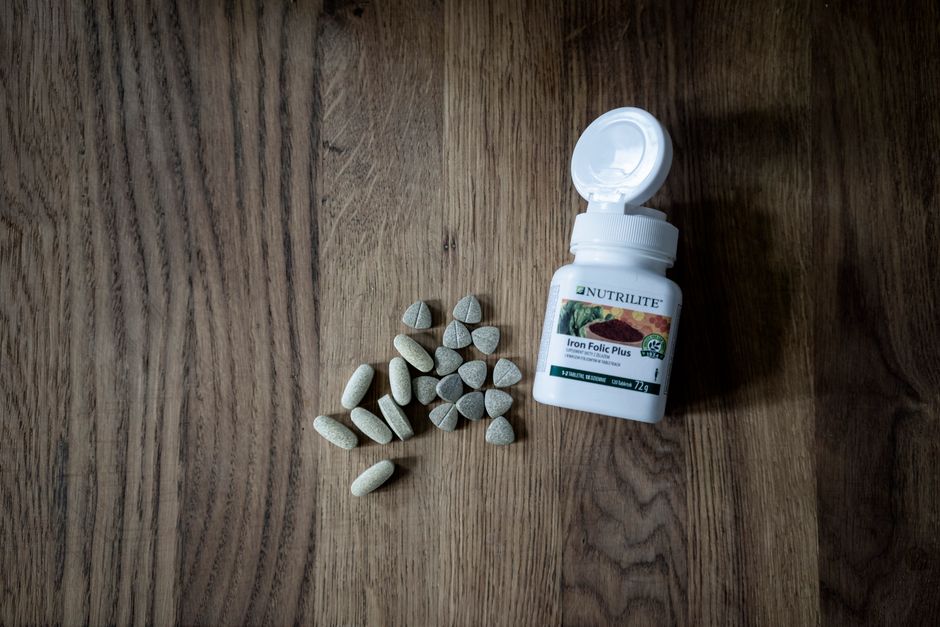
Blood is red because of hemoglobin, the iron-containing protein packed inside your red blood cells. Hemoglobin grabs oxygen in your lungs and carries it to every tissue in your body. The iron at the center of each hemoglobin molecule is what gives blood its red color — and what makes that color shift depending on whether oxygen is attached.
That is the whole answer in two sentences. The rest of this article explains how it works, why oxygenated blood looks bright red while deoxygenated blood looks darker, and what happens when iron or hemoglobin levels go wrong.
What Makes Blood Red Iron And Hemoglobin Explained
Hemoglobin is a protein built from four folded chains, and each chain holds a molecule called heme. At the center of every heme sits one iron atom. That iron is the actual color-maker.
When oxygen binds to iron, the arrangement of electrons around the iron changes. This changes which wavelengths of light the molecule absorbs and which it reflects. Oxygen-rich blood reflects red light, so it looks bright red. Blood without much oxygen absorbs more red light and reflects more blue, which is why it looks dark red or even purplish.
Each red blood cell carries roughly 270 million hemoglobin molecules. With about 25 trillion red blood cells in an adult body, that adds up to an enormous number of iron atoms all doing the same job at once.
A common misconception is that blood is blue inside your veins and turns red when it touches air. That is not true. Veins can look blue through the skin because of how light scatters in tissue, not because the blood itself is blue. Deoxygenated blood is a darker red.
How Does Hemoglobin Actually Carry Oxygen?
Hemoglobin works like a molecular shuttle with four seats. Each of the four heme groups can hold one oxygen molecule, so a single hemoglobin protein can carry up to four.
The binding is cooperative. When the first oxygen molecule attaches, it slightly changes the shape of the protein, which makes it easier for the next oxygen to attach. This is why hemoglobin loads up quickly in the lungs, where oxygen is plentiful, and releases oxygen quickly in tissues where oxygen is scarce.
Several factors influence how readily hemoglobin lets go of its oxygen:
- Oxygen level — low oxygen in tissue pushes hemoglobin to release its cargo
- Carbon dioxide — higher levels in active tissue weaken the oxygen bond
- Acidity — more acidic tissue also promotes release
- Temperature — warmer tissue releases oxygen more easily
This system means working muscles automatically get more oxygen without your brain having to direct it. The chemistry handles it.
Carbon monoxide is dangerous precisely because it hijacks this system. It binds to the same iron sites as oxygen, but far more tightly. When carbon monoxide occupies those sites, hemoglobin cannot carry oxygen, and the blood can look abnormally cherry red rather than dark red.
Why Is Iron So Important for Red Blood Cells?
Without iron, hemoglobin cannot be built. The body needs iron to manufacture heme, and heme is the part of hemoglobin that actually binds oxygen. No iron means no functional hemoglobin means no oxygen delivery.
Iron is also recycled carefully. When old red blood cells are broken down, the iron inside them is captured and reused rather than discarded. The body is efficient about this because losing iron is easy and replacing it takes time.
Dietary iron comes in two forms. Heme iron, found in meat, poultry, and fish, is absorbed more efficiently. Non-heme iron, found in plants like spinach, beans, and fortified cereals, is absorbed less efficiently and is affected by other compounds in the meal. Vitamin C improves non-heme iron absorption. Compounds like phytates in grains and polyphenols in tea and coffee can reduce it.
The body has no active way to excrete excess iron. It regulates iron mainly by controlling how much it absorbs from food. This is why iron overload disorders exist and why taking iron supplements without a diagnosed need is not harmless.




What Do Low Hemoglobin and Low Iron Feel Like?
When hemoglobin drops below normal, the result is anemia. The most common symptoms are fatigue, pale skin, shortness of breath with activity, and feeling cold. Dizziness and headaches can also occur.
Iron deficiency anemia develops in stages. Iron stores drop first, then the supply available for making new red blood cells falls, and finally hemoglobin levels decline. Symptoms may not appear until anemia is already present, which is why blood tests matter more than how you feel.
Normal hemoglobin ranges vary by sex and by laboratory. A common reference range for adult men is about 13.5 to 17.5 grams per deciliter, and for adult women about 12.0 to 15.5 grams per deciliter. These ranges differ somewhat between labs, and pregnancy, altitude, and smoking can all shift them.
Iron deficiency is not always about diet. Heavy menstrual bleeding, pregnancy, gastrointestinal bleeding, and poor absorption from conditions like celiac disease are common causes. In men and postmenopausal women, iron deficiency often prompts a search for a source of blood loss, because dietary intake alone rarely explains it.
Do not start iron supplements based on symptoms alone. Iron can be harmful if you do not need it, and the underlying cause of a deficiency needs to be identified. A blood test is the only way to know.
What Causes Blood to Look Different Colors?
Blood color varies more than most people realize, and the variation is mostly about oxygen and hemoglobin state.
| Appearance | What it usually reflects |
|---|---|
| Bright red | Blood rich in oxygen, as in arteries |
| Dark red | Blood low in oxygen, as in most veins |
| Cherry red | Possible carbon monoxide exposure |
| Brownish or dark | Old blood, often from the digestive tract |
Menstrual blood often looks darker than blood from a cut because it has had time to lose oxygen and may contain tissue and clots. That is normal.
Blood drawn for a lab test is almost always venous blood, which is why it usually looks dark red in the tube. If you have ever donated blood, you have seen this — it is not a sign of anything wrong.
Can Diet Change Your Hemoglobin Level?
Diet can support normal hemoglobin production, but it cannot fix a deficiency on its own in most cases. Food provides the raw materials — iron, vitamin B12, folate, and protein — but when stores are depleted, food alone is usually too slow and too small in quantity.
For people with normal iron status, a varied diet that includes iron-rich foods is a reasonable way to maintain it. Meat, poultry, fish, beans, lentils, tofu, spinach, and fortified cereals are common sources. Pairing plant iron with vitamin C helps absorption.
Some foods and drinks reduce iron absorption when eaten with iron-rich meals. Tea, coffee, and calcium supplements are the most commonly cited. This matters more for people at risk of deficiency than for people with normal stores.
Vitamin B12 and folate are also required for red blood cell production. Deficiency in either can cause anemia with larger-than-normal red blood cells, which is a different picture from iron deficiency anemia. B12 deficiency is more common in older adults, people with certain digestive conditions, and people following strict vegan diets without supplementation.
No single food or supplement “boosts” hemoglobin in a healthy person beyond normal. The body regulates this tightly. Claims that a product raises hemoglobin in people who are not deficient are not supported by clinical evidence.
When Should You Talk to a Doctor About Your Blood?
Persistent fatigue, unusual shortness of breath, or a noticeable change in skin color are reasons to get evaluated. So is any unexplained bleeding, including blood in stool or urine.
Blood tests can measure hemoglobin, red blood cell size, iron stores, and related markers. These together usually point to the cause and guide what to do next. Self-treating with iron before testing can mask the real problem and delay diagnosis.
If you have a family history of blood disorders, or if you have a chronic condition that affects absorption or blood loss, regular monitoring is often recommended. Your doctor can tell you how often.
Frequently Asked Questions
Is blood ever actually blue?
No. Blood is always some shade of red, from bright red when oxygen-rich to dark red when oxygen-poor. Veins can appear blue through the skin because of how light is scattered by tissue, not because the blood is blue.
Why does blood look darker in a vein than from a cut?
Venous blood has already delivered much of its oxygen to tissues, so its hemoglobin reflects less red light and appears darker. Blood from a cut is often arterial or freshly oxygenated, so it looks brighter.
Can low iron cause other symptoms besides fatigue?
Yes. Low iron can cause pale skin, shortness of breath with activity, cold hands and feet, brittle nails, and unusual cravings for non-food items like ice or dirt. These symptoms are not specific to iron deficiency, so testing is needed to confirm.
Does eating more spinach raise my hemoglobin?
Spinach provides iron, but it also contains compounds that limit how much of that iron your body absorbs. For someone with normal iron stores, eating more spinach will not push hemoglobin above normal, because the body regulates this.
