
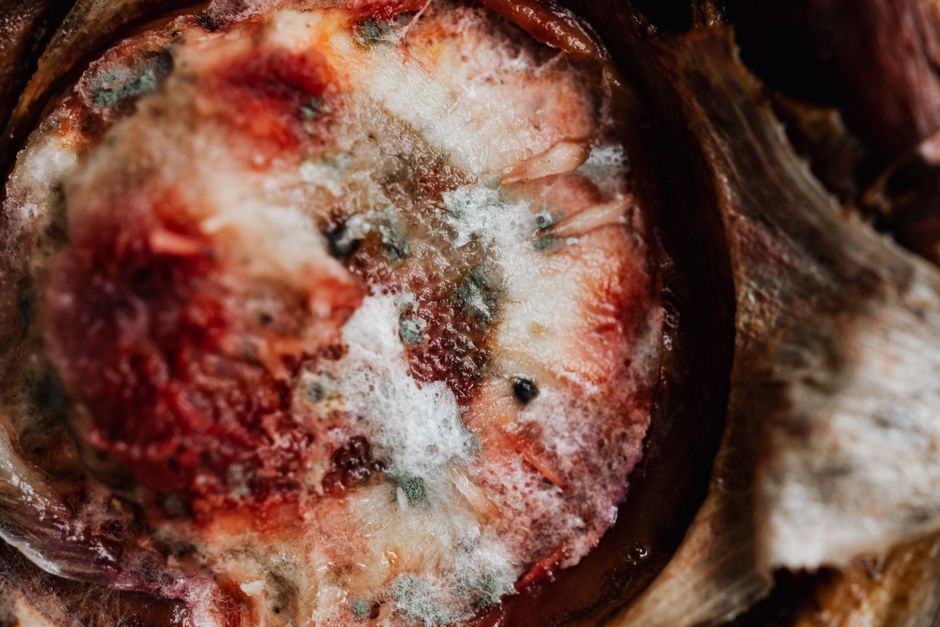
Food contamination happens when harmful substances get into food and make it unsafe to eat. The three main types are biological, chemical, and physical contamination. Biological contamination comes from germs like bacteria and viruses. Chemical contamination involves cleaning products, pesticides, or natural toxins. Physical contamination means foreign objects like glass, metal, or plastic in your food. Each type has different causes and different health risks, from mild stomach upset to serious illness requiring hospital care.
What Are the Main Types of Food Contamination?
Food contamination falls into three categories. Understanding each one helps you know where the risk comes from and how to reduce it.
Biological contamination is the most common cause of foodborne illness. It happens when microorganisms like bacteria, viruses, parasites, or fungi get into food. Salmonella, E. coli, Listeria, and norovirus are familiar examples. These germs multiply quickly when food sits at room temperature.
Chemical contamination occurs when food touches harmful chemicals. This includes pesticides on produce, cleaning supplies near food prep areas, and food packaging chemicals that migrate into food. Some fish contain natural toxins like mercury or histamine that build up in their bodies.
Physical contamination means a foreign object ends up in food. Common examples are glass shards from broken jars, metal fragments from processing equipment, plastic pieces from packaging, or even hair and fingernails. These objects can cause choking or injury to the mouth, throat, or digestive tract.
Some experts add a fourth category called cross-contamination. This is not a separate type but rather a way contamination spreads. It happens when germs move from one surface or food to another. Raw meat juices dripping onto ready-to-eat vegetables in the fridge is a classic example.
What Causes Biological Contamination?
Bacteria and viruses enter food through several common routes. The most frequent cause is improper handling of raw animal products. Raw meat, poultry, eggs, and unpasteurized dairy can carry dangerous germs.
Contaminated water is another major source. Produce rinsed with polluted water or seafood harvested from contaminated waters can spread illness. Soil containing animal waste can contaminate root vegetables and leafy greens.
Food handlers themselves spread germs when they do not wash their hands properly. Norovirus spreads this way very easily. Someone who is sick and prepares food can pass their illness to everyone who eats that food.
Temperature abuse is a leading contributor. Bacteria grow fastest between 40°F and 140°F, a range food safety experts call the danger zone. Food left out at room temperature for more than two hours gives bacteria time to multiply to dangerous levels.
Time also matters. Even properly refrigerated food has a shelf life. Leftovers stored too long can develop harmful bacteria even when kept cold.
What Causes Chemical Contamination?
Chemical contamination often comes from how food is grown, processed, or stored. Agricultural chemicals like pesticides and herbicides can remain on produce if not washed thoroughly. Some of these residues are regulated and considered safe at low levels, but improper application can create real risk.
Cleaning products are a common source in home and restaurant kitchens. Sanitizers and degreasers stored near food or used on surfaces without proper rinsing can contaminate meals. This is why food safety rules require chemicals to be stored below and away from food.
Food packaging can contribute chemicals. Some plastics contain compounds that migrate into food, especially when heated. Canned foods may have linings that contain bisphenol A, commonly called BPA, though many manufacturers have phased this out.
Natural toxins count as chemical contamination too. Certain fish species naturally contain histamine, which forms when fish is not kept cold enough. This causes scombroid poisoning. Shellfish can accumulate toxins from algae blooms, causing paralytic shellfish poisoning.
Mycotoxins are another natural chemical hazard. These are toxic compounds produced by molds that grow on crops like corn, peanuts, and grains. Aflatoxin, produced by certain Aspergillus molds, is among the most studied and is known to damage the liver with long-term exposure.



What Causes Physical Contamination?
Physical contamination typically happens during food production, processing, or preparation. In commercial settings, machinery parts can break and fall into food. Glass jars can shatter during transport or storage. Metal shavings from cutting or grinding equipment can end up in processed foods.
At home, the risks are simpler. Broken dishware near food, loose staples from packaging, or even jewelry falling into a mixing bowl can contaminate a meal. Bone fragments in meat products and pits in fruit are naturally occurring physical hazards that still pose a risk.
Physical contaminants cause two types of harm. Large or sharp objects can cut the mouth, throat, or digestive tract. Smaller items may go unnoticed and pass through the body without issue. The FDA and similar agencies have strict limits on foreign objects in commercial food products because the risk is real.
What Health Risks Come From Contaminated Food?
The health consequences range from mild to severe. Most foodborne infections cause nausea, vomiting, diarrhea, and abdominal cramps within hours or days of eating the contaminated food. Healthy adults usually recover within a few days without medical treatment.
Some infections are far more dangerous. Listeria is especially risky for pregnant women, older adults, and people with weakened immune systems. It can cause miscarriage, stillbirth, or severe bloodstream infections. E. coli O157 can lead to a complication called hemolytic uremic syndrome, which can cause kidney failure, particularly in children.
Salmonella can spread from the intestines to the bloodstream in vulnerable people, requiring hospitalization. Norovirus causes intense vomiting and diarrhea that can lead to dehydration, especially in young children and older adults.
Chemical contaminants carry different risks. Acute exposure to high levels of pesticides can cause immediate poisoning symptoms. Long-term low-level exposure to certain heavy metals like mercury and lead can affect the nervous system. Chronic aflatoxin exposure is linked to liver cancer.
Physical contaminants most often cause mechanical injury rather than infection. A sharp object can damage the esophagus or stomach lining. In rare cases, surgery is needed to remove an object that becomes lodged.
How Can You Reduce the Risk of Food Contamination?
Basic food safety practices prevent most contamination. The core principles are clean, separate, cook, and chill.
Clean means washing hands, surfaces, and produce. Wash hands with soap and water for at least 20 seconds before handling food. Rinse fruits and vegetables under running water. Do not wash raw meat or poultry, as this sprays germs around the kitchen.
Separate means keeping raw animal products away from ready-to-eat food. Use different cutting boards for raw meat and produce. Store raw meat on the bottom shelf of the refrigerator so juices cannot drip onto other foods.
Cook means heating food to a safe internal temperature. Use a food thermometer, not visual cues. Ground beef should reach 160°F, poultry 165°F, and whole cuts of meat at least 145°F. These temperatures kill the bacteria that cause most foodborne illness.
Chill means refrigerating perishable food promptly. Never leave food out for more than two hours, or one hour when the room temperature is above 90°F. Keep your refrigerator at 40°F or below and your freezer at 0°F or below.
Check recall notices from the FDA and USDA. When a product is recalled for contamination, do not eat it. Return it to the store or throw it away.
Is Organic Food Safer From Contamination?
Organic food has lower levels of pesticide residues, but it is not automatically safer from biological contamination. Organic farming still uses manure as fertilizer, which can carry dangerous bacteria if not properly composted. Several major outbreaks of E. coli and Salmonella have been traced to organic produce.
Studies show organic produce generally has fewer pesticide residues than conventional produce. However, both are regulated to stay within safety limits. The risk of biological contamination depends more on handling and washing than on whether the food was grown organically.
Washing all produce, organic or not, under running water reduces surface contamination. Scrubbing firm produce like potatoes and melons with a clean brush helps remove dirt and germs.
Frequently Asked Questions
How long after eating contaminated food do symptoms appear?
Symptoms typically begin within 6 to 24 hours after eating contaminated food, but some pathogens take longer. Listeria can take weeks to cause symptoms, which is why it is often harder to trace.
Can food contamination be detected by smell or taste?
No, most contaminated food looks, smells, and tastes normal. Harmful bacteria and chemical residues do not reliably change the sensory qualities of food, so you cannot rely on your senses to detect contamination.
What is the most common type of food contamination?
Biological contamination is the most common type and causes the majority of foodborne illness cases. Norovirus and Salmonella are among the leading specific causes.
Does reheating food kill all bacteria?
Reheating kills many bacteria but not all toxins they produce. Some bacterial toxins survive high heat, so reheating food that was left out too long does not make it safe to eat.
