
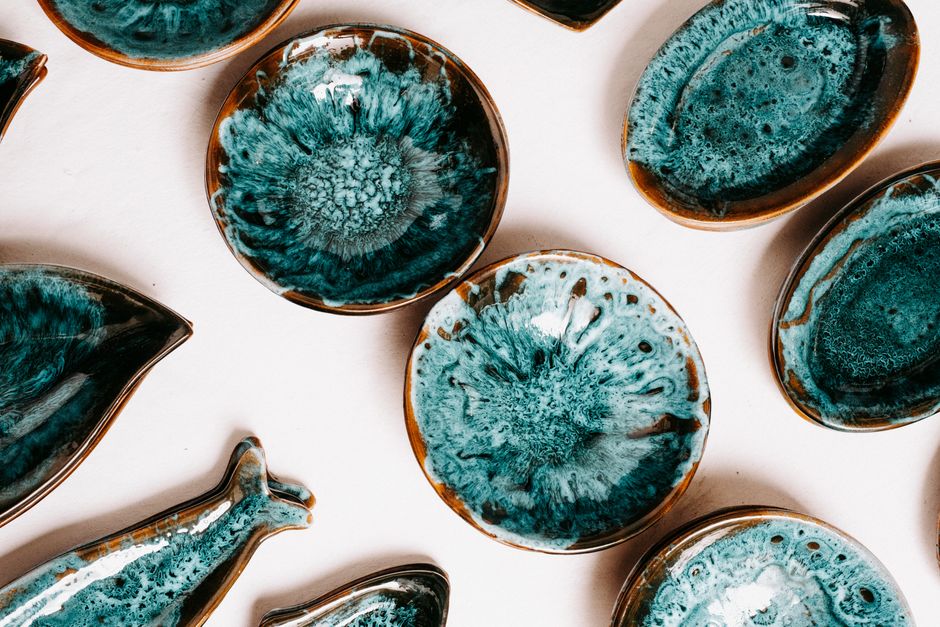
Glazed ceramic is pottery or stoneware that has been coated with a glass-like layer called a glaze, then fired in a kiln at high temperatures. This finish makes the surface waterproof, easy to clean, and often colorful or glossy. Food safety depends entirely on what is in the glaze and whether the piece was fired correctly, because some glazes can release harmful metals into food.
What Is Glazed Ceramic Types Finishes And Food Safety?
Glazed ceramic covers a wide range of tableware, bakeware, and serving dishes. The glaze itself is a thin layer of glass fused to the clay body. It seals the porous clay underneath, which is why glazed mugs do not leak and glazed plates do not absorb sauces.
The food safety question comes down to two factors: the chemical makeup of the glaze and the firing temperature. Lead and cadmium are the main metals of concern. They were once common in glazes to add color or shine. Modern commercial glazes from reputable manufacturers are usually lead-free, but handmade, imported, or antique pieces may not be.
Firing temperature matters because it determines how stable the glaze becomes. A properly fired glaze becomes inert. An underfired glaze can remain unstable and leach metals into acidic foods like tomato sauce or citrus juice.
What Are The Main Types Of Glazed Ceramic?
Ceramic glazes fall into a few broad categories. The type affects appearance, durability, and food safety.
Earthenware is fired at lower temperatures, usually between 1800°F and 2100°F. The glaze is softer and more porous than other types. Earthenware is common for decorative pieces and some tableware. It chips more easily and can absorb moisture if the glaze is damaged.
Stoneware is fired hotter, between 2100°F and 2300°F. The clay body becomes denser and the glaze fuses more completely. Stoneware is durable and widely used for dinner plates, mugs, and baking dishes. It resists chipping and is generally considered safe for everyday food use when the glaze is intact.
Porcelain is fired at the highest temperatures, above 2300°F. It is the hardest and most vitrified type of ceramic. Porcelain glazes are very stable and rarely leach metals. Fine china and high-end dinnerware are often porcelain.
The firing temperature is not just about durability. Higher firing temperatures create a more complete chemical bond between the glaze and the clay. This bond is what makes the glaze food-safe. A low-fired piece with a lead-based glaze is the highest risk scenario.
What Finishes Are Used On Ceramic Tableware?
The finish refers to the surface texture and appearance of the glaze. Common finishes include glossy, matte, satin, and textured.
Glossy finishes are shiny and smooth. They are the easiest to clean because they have few microscopic pores. Glossy glazes are the most common for food-contact surfaces.
Matte finishes have a dull, non-reflective surface. They look modern and feel soft to the touch. Matte glazes can be slightly more porous than glossy ones, which means they may stain more easily. They are still food-safe if properly formulated and fired.
Satin finishes fall between glossy and matte. They have a soft sheen and a smooth feel.
Textured or speckled finishes are created by adding materials to the glaze or by layering multiple glazes. Some textures create small pits or bumps on the surface. These pits can trap food particles and bacteria. If you choose textured ceramic for food, make sure the texture is not deep enough to be hard to clean.
Raku is a special low-fired technique that produces dramatic metallic or crackled finishes. Raku pieces are not food-safe. The low firing temperature leaves the glaze unstable and the clay body porous. Do not eat or drink from raku pottery.





How Can You Tell If Ceramic Is Food-Safe?
There is no simple way to test a glaze at home without a laboratory. But you can look for certain signs and ask the right questions.
Buy from reputable manufacturers. Commercial dinnerware sold in the United States must meet federal limits for lead and cadmium leaching. The Food and Drug Administration regulates these limits for ceramic tableware. Reputable brands test their products and can provide documentation.
Ask about handmade pieces. If you buy from a potter, ask directly whether the glaze is food-safe and lead-free. A professional potter should know the answer. They should also confirm the piece was fired to the correct temperature for the glaze used.
Be cautious with imported ceramics. Some countries do not have the same lead restrictions as the United States. Bright red, orange, and yellow glazes are historically more likely to contain lead or cadmium. This is not always true in modern production, but it is worth extra caution.
Antique and vintage ceramics should be considered unsafe for food unless tested. Before the 1970s, lead was common in glazes. The FDA banned lead-based glazes for tableware in the 1970s, but many older pieces remain in circulation. Use antique ceramics for display only.
Watch for visible damage. Crazing is the network of fine cracks that appears on some glazes over time. These cracks can harbor bacteria and allow liquids to reach the clay body. If a piece is crazed, chipped, or cracked, do not use it for food.
What Are The Risks Of Lead And Cadmium In Glazes?
Lead is a neurotoxin. It is especially dangerous for children and pregnant women because it affects brain development. Even low levels of lead exposure over time can cause health problems in adults, including high blood pressure and kidney damage.
Cadmium is also toxic. It primarily affects the kidneys and bones with long-term exposure. Cadmium is sometimes used in red and orange glazes.
The risk from ceramic is not that the metal is present in the glaze. The risk is that the metal leaches into food. Acidic foods and hot liquids increase leaching. A lead-glazed mug used for hot coffee is a higher risk than the same mug used for water at room temperature.
Research has shown that some glazed ceramics can release lead far above safe limits. These are usually handmade or imported pieces from countries without strict regulations. Commercially produced dinnerware from major brands rarely fails safety tests.
How Should You Care For Glazed Ceramic?
Proper care keeps glazed ceramic safe and extends its life.
Wash by hand or in the dishwasher depending on the manufacturer instructions. Some glazes are dishwasher-safe and some are not. High heat and harsh detergents can damage certain glazes over time.
Avoid sudden temperature changes. Do not put a cold ceramic dish directly into a hot oven. Thermal shock can crack the glaze or the clay body. When the glaze cracks, the piece is no longer food-safe.
Do not use ceramic that is chipped or cracked. The exposed clay body is porous and can absorb bacteria. The damaged area also increases the chance of metals leaching if the underlying clay contains them.
Store dishes so they do not stack tightly against each other. Rubbing between pieces can cause microscratches that dull the glaze and create places for bacteria to hide.
Is Microwave Use Safe On Glazed Ceramic?
Most glazed ceramics are microwave-safe, but not all. The issue is not the glaze itself. It is the clay body and any metallic decoration.
Gold and platinum bands or rims are common on fine china. These metallic decorations can spark in the microwave and damage both the dish and the microwave. If the rim has a metallic band, do not microwave it.
Some low-fired ceramics absorb water. When heated in the microwave, the water inside the clay expands and can cause the piece to crack. If you are unsure whether a piece is microwave-safe, check with the manufacturer. When in doubt, use a plate or bowl that you know is safe.
Frequently Asked Questions
Is all glazed ceramic safe for food?
No. Only properly formulated and fired glazes are food-safe. Low-fired glazes, raku, and pieces with lead or cadmium should not be used for food.
How can I test ceramic for lead at home?
Home test kits for lead are available but they are not always accurate. The only reliable way to confirm a glaze is lead-free is to buy from a reputable manufacturer or have the piece tested by a laboratory.
Can old ceramic dishes be used for food?
Antique and vintage ceramics may contain lead in the glaze. Unless the piece has been professionally tested, use it for decoration only.
What does crazing mean on ceramic?
Crazing is a network of fine cracks in the glaze surface. It can trap bacteria and allow liquids to reach the clay body. Crazed pieces should not be used for food.
