
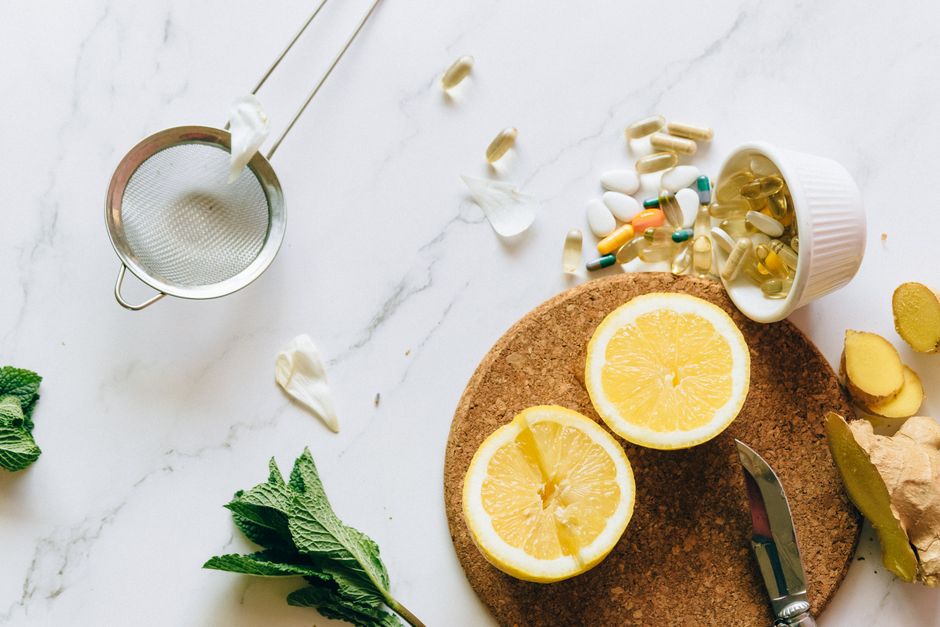
Taking vitamins with food is not just a habit people follow out of caution. For many vitamins, eating is what makes them work. Fat-soluble vitamins need dietary fat to be absorbed at all, and food also triggers the digestive steps that move nutrients from your gut into your blood. The same pill can deliver very different amounts of a vitamin depending on whether you take it on an empty stomach or with a meal.
This matters for safety too. Some vitamins are poorly absorbed without food, which wastes money and leaves a shortfall. Others are absorbed so well with food that taking large doses becomes a risk. Understanding the reason behind the advice helps you take vitamins the way they were designed to be taken.
Why Take Vitamins With Food Absorption Safety
Food changes the physical and chemical environment of your digestive tract in ways that directly affect how much of a vitamin reaches your bloodstream. The most important factor is fat. Vitamins A, D, E, and K are fat-soluble, meaning they dissolve in fat rather than water. Without fat present in the gut, the body has trouble packaging these vitamins into the particles it needs for absorption.
When you eat a meal containing fat, your gallbladder releases bile and your pancreas releases digestive enzymes. Bile acts like a detergent. It breaks fat into tiny droplets, and the fat-soluble vitamins ride along inside those droplets. From there they are packed into structures called micelles and absorbed through the lining of the small intestine. No dietary fat means this whole process runs poorly.
Water-soluble vitamins like the B group and vitamin C work differently. They do not need fat, but they still benefit from food. Eating stimulates stomach acid, digestive enzymes, and the movement of the gut, all of which support nutrient release and uptake. Food also slows how fast the stomach empties, giving the small intestine more time to absorb what passes through.
There is a second, less obvious reason food matters: some vitamins are better absorbed alongside other nutrients in the same meal. Vitamin C, for example, improves the absorption of iron from plant foods eaten at the same time. That is a food-to-nutrient interaction, not a supplement one, but it shows how much absorption depends on what is in the gut at the moment.
Which Vitamins Need to Be Taken With Food?
The fat-soluble vitamins are the clearest case. Vitamins A, D, E, and K should be taken with a meal that contains some fat. This is well established in nutrition science. A meal with a modest amount of fat is generally enough to support absorption, but a fat-free meal is not the same as a meal with fat.
Among the water-soluble vitamins, several are easier on the stomach when taken with food. These include vitamin C and many of the B vitamins, which can cause nausea or stomach upset when taken on an empty stomach. Taking them with a meal reduces that discomfort for many people.
Here is a general guide to how different vitamins relate to food:
- Vitamin A, D, E, K: Need dietary fat for good absorption. Take with a meal containing fat.
- B vitamins: Often better tolerated with food. Some people feel nauseated taking them on an empty stomach.
- Vitamin C: Better tolerated with food and helps with iron absorption from the same meal.
- Multivitamins: Usually best with a meal, since they combine both fat-soluble and water-soluble vitamins.
Some supplements are actually better absorbed on an empty stomach, which is why the general rule has exceptions. Certain forms of iron and some single-ingredient supplements work better without food, but they may cause more stomach upset that way. That trade-off is worth discussing with a pharmacist or clinician rather than assuming one rule covers everything.
Does Taking Vitamins Without Food Reduce Absorption?
Yes, for fat-soluble vitamins. If you take vitamin D or vitamin E with water only and no fat, absorption drops substantially compared with taking the same dose with a fatty meal. This is one of the most consistent findings in supplement research. The vitamin is not necessarily wasted entirely, but far less of it gets into your blood.
For water-soluble vitamins, the picture is more mixed. Many are absorbed reasonably well on an empty stomach. The main downside of taking them without food is stomach upset, not poor absorption. Vitamin C, for instance, is absorbed fairly well either way, but a large dose on an empty stomach can cause cramping or nausea in some people.
The practical takeaway is that absorption is not an all-or-nothing event. It is a spectrum, and food shifts the spectrum in your favor for most vitamins. The difference can be large enough to matter for a vitamin you are taking to correct a deficiency.




Is It Safe to Take Vitamins on an Empty Stomach?
For most water-soluble vitamins, taking them on an empty stomach is not dangerous, but it may cause discomfort. Nausea, stomach cramps, and a sour feeling are common complaints when people take vitamin C or B vitamins without food. These effects are usually temporary and not harmful.
The bigger safety concern is dose, not timing. Some vitamins are stored in the body, and taking too much over time can cause problems regardless of whether you take them with food. Vitamin A and vitamin D are fat-soluble and accumulate in body tissue. Very high intakes of vitamin A over long periods can cause liver problems and other toxicity, and excessive vitamin D can raise blood calcium to unsafe levels.
Iron deserves separate mention. Iron supplements are a common cause of poisoning in young children, and adult doses should never be taken casually. Keep iron supplements out of reach of children and follow label or clinician instructions exactly. This is a genuine safety issue, not a minor caution.
Timing does not protect you from taking too much of a vitamin. Taking a fat-soluble vitamin with food improves absorption, which means a high dose absorbs better too. That is another reason to stay within recommended amounts rather than assuming more is better.
Can Food Affect How Safe a Vitamin Is?
Food can change both how much of a vitamin you absorb and how your body handles it. The most direct effect is on absorption, as described above. But there are interactions worth knowing about.
Some foods and beverages can reduce absorption of certain minerals and vitamins when taken at the same time. Calcium and iron compete for absorption when taken together, so a calcium supplement and an iron supplement taken in the same sitting may each absorb less well. Tannins in tea and coffee can reduce iron absorption. These are established interactions, though the size of the effect varies.
On the safety side, food does not make a dangerous dose safe. It can improve absorption of a reasonable dose, but it does not cancel out toxicity from an excessive one. The relationship between food and vitamin safety is mostly about getting the right amount absorbed, not about neutralizing overdoses.
When Should You Take Vitamins With Food?
A simple rule covers most situations: take your vitamins with a meal that contains some fat. Breakfast, lunch, or dinner all work, as long as the meal is not fat-free. A piece of toast with butter, eggs, yogurt, nuts, or a drizzle of olive oil is enough to support fat-soluble vitamin absorption for most people.
If you take a multivitamin, taking it with your largest meal of the day is a reasonable approach. That meal is most likely to contain fat and other nutrients, and it also reduces the chance of stomach upset. Consistency matters more than the exact time of day. Taking your vitamin with the same meal each day makes it easier to remember.
For single supplements, check the label or ask a pharmacist. Some are formulated for absorption with food, and some are not. If you take a prescription medication, ask whether it interacts with any vitamin you take, because timing around food and medications can matter for both.
People with certain digestive conditions may absorb vitamins differently. Conditions that affect fat digestion, such as problems with the pancreas, gallbladder, or bile flow, can reduce absorption of fat-soluble vitamins even when taken with food. If you have a digestive condition and take these vitamins, that is worth raising with your clinician rather than adjusting doses on your own.
Frequently Asked Questions
Do all vitamins need to be taken with food?
No. Fat-soluble vitamins A, D, E, and K need dietary fat for good absorption, while many water-soluble vitamins absorb reasonably well without food. Taking water-soluble vitamins with food mainly helps with stomach comfort.
Is it bad to take vitamin D on an empty stomach?
It is not dangerous, but absorption is lower without fat. Vitamin D is fat-soluble, so taking it with a meal containing some fat helps your body absorb more of the dose.
Can I take vitamins with just water and no food?
You can, but fat-soluble vitamins will absorb poorly without dietary fat. For those vitamins, a meal with some fat makes a meaningful difference in how much you absorb.
Does taking vitamins with food prevent overdose?
No. Food improves absorption but does not protect against taking too much of a vitamin. Fat-soluble vitamins like A and D can build up to harmful levels with excessive intake regardless of timing.
