
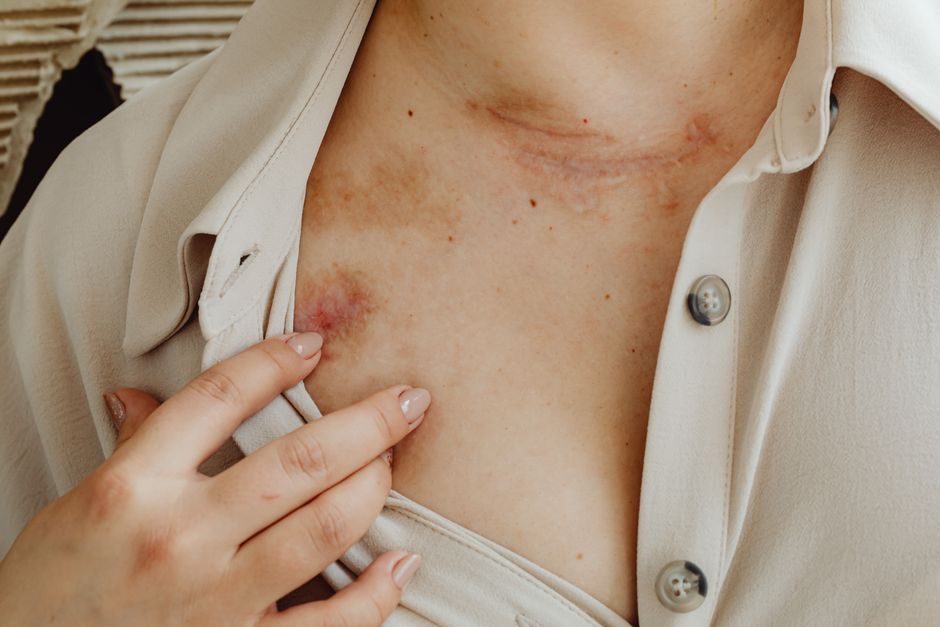
Rosehip oil is a pressed seed oil from the fruit of wild rose bushes, and it is used on the skin for scars, stretch marks, and dry or aging skin. Claims about joint benefits are different: rosehip powder from the fruit has been studied for osteoarthritis pain, but that is a supplement taken by mouth, not the oil. The two are often confused, and the confusion matters because the evidence for each is not the same.
The short answer is that rosehip oil has modest, real evidence for improving the appearance of scars and skin texture, mostly from small studies. Rosehip powder has some evidence for reducing joint pain and stiffness in osteoarthritis, though study results vary. Rosehip oil applied to the skin has no established role in treating joint problems.
What Is Rosehip Oil Good For Skin Scars And Joints?
For skin, rosehip oil is used to soften the look of scars, stretch marks, and uneven tone. For joints, the relevant product is oral rosehip powder, not the oil.
The oil is rich in linoleic and linolenic fatty acids, plus vitamin E and small amounts of vitamin A precursors. These fats help support the skin’s outer barrier, which is why the oil feels moisturizing. Whether it does more than that — fading scars, for example — is where the evidence gets thinner.
A small number of studies have looked at rosehip oil applied to surgical scars and to skin after procedures. Some found improvements in color and texture compared with no treatment or a placebo oil. Most of these were small, and some were funded by product makers. That does not make the findings false, but it means they should be read with caution.
The joint story is separate. Rosehip powder contains galactolipids, compounds that some research suggests may reduce inflammation. Several trials in people with osteoarthritis have tested this powder, and results have been mixed. Some showed reduced pain scores, others showed little difference from placebo. The overall picture is promising but not settled.
Does Rosehip Oil Actually Fade Scars?
Some evidence suggests it can help, but the effect is modest and the studies are small.
Scars form when the body lays down collagen to close a wound. Over months, that collagen remodels. A scar’s final appearance depends heavily on genetics, wound size, location, and how well the wound was cared for. No topical oil changes those fundamentals.
What a scar oil can do is keep the area moisturized. A well-hydrated scar tends to look flatter and less red than a dry one. This is true of many oils and ointments, not just rosehip. Silicone gel and silicone sheets have the strongest evidence base for scar appearance, and they are usually the first thing dermatologists suggest.
Rosehip oil may also help with hyperpigmentation — the darker color some scars develop. The oil contains small amounts of compounds related to vitamin A, and vitamin A derivatives are used in skincare for uneven tone. The amounts in rosehip oil are far lower than in prescription retinoids, so any effect would be gradual and mild.
Realistic expectations matter here. If you use rosehip oil on a scar, you may see softer texture and slightly better color over weeks to months. You are unlikely to see a scar disappear.
What About Rosehip Oil for Stretch Marks and Skin Texture?
Rosehip oil is often marketed for stretch marks. The evidence for this is weak.
Stretch marks are a form of scarring in the deeper skin layer. Once they form, they are difficult to change with any topical product. Some studies have tested various oils and creams during pregnancy to prevent stretch marks, and most found little to no benefit. The one exception is a specific topical preparation containing hyaluronic acid, which showed some preventive effect in one trial. Rosehip oil has not been tested in a large trial for this purpose.
Where rosehip oil has a more defensible role is general skin moisture and texture. Its fatty acid profile helps the skin hold water. People with dry or mature skin often notice smoother texture within a few weeks of regular use.
One practical point: rosehip oil is lightweight and absorbs quickly, which makes it easy to layer under sunscreen or makeup. Heavier oils like coconut or olive oil can feel greasy and may clog pores in some people. Rosehip oil is generally considered low on the comedogenic scale, meaning it is less likely to clog pores, though individual reactions vary.





Does Rosehip Help Joint Pain and Arthritis?
Rosehip powder taken by mouth has been studied for osteoarthritis, and the results are mixed but not discouraging.
Osteoarthritis involves the breakdown of cartilage and inflammation in the joint. Some compounds in rosehip, called galactolipids, have shown anti-inflammatory activity in laboratory studies. That led researchers to test rosehip powder in people with knee and hip osteoarthritis.
Several randomized trials have been published, mostly using a specific standardized rosehip powder. Some found reductions in pain and stiffness compared with placebo. Others found no meaningful difference. A few review articles concluded that the evidence is too inconsistent to recommend rosehip as a standard treatment.
What this means practically: if you are considering rosehip powder for joint pain, know that it is not a proven therapy. It may help some people mildly. It is not a substitute for treatments with stronger evidence, such as exercise therapy, weight management where relevant, and medications your doctor recommends.
To be clear about the oil-versus-powder distinction: no research supports rubbing rosehip oil on a painful joint to treat arthritis. Massage itself can feel soothing, but that is a comfort effect, not a treatment for the underlying condition.
How Is Rosehip Oil Used, and What Are the Risks?
Rosehip oil is applied directly to clean skin, usually once or twice a day. A few drops are enough for the face; more for larger areas like a scar on the arm or leg.
Do not apply it to broken skin, open wounds, or a fresh surgical incision unless your surgeon says it is okay. Wait until the wound is fully closed.
Side effects are uncommon but possible. Some people develop redness, itching, or a rash. If that happens, stop using it. A patch test on the inner forearm for a day or two is a reasonable precaution, especially if you have sensitive skin or eczema.
One safety note: rosehip oil is not the same as rosehip seed oil that has been diluted with other oils or fragrances. Read labels. Fragrance additives are a common cause of skin reactions, not the rosehip itself.
For oral rosehip powder, side effects in trials have generally been mild — mostly stomach upset. Because it can have mild blood-thinning effects in theory, anyone on blood thinners or preparing for surgery should check with a doctor first. This is a precaution based on the herb’s known activity, not a documented widespread problem.
How Does Rosehip Oil Compare to Other Scar Treatments?
Silicone products have the strongest evidence for scar appearance. Rosehip oil is a reasonable moisturizer but not a first-line scar treatment.
| Treatment | Typical Use | Evidence Strength |
|---|---|---|
| Silicone gel or sheets | Applied to healed scars daily | Strongest evidence for scar appearance |
| Rosehip oil | Massaged into healed skin | Small studies, modest effect |
| Onion extract gel | Applied to healed scars | Mixed evidence |
| Prescription retinoids | Applied to skin, not open wounds | Good evidence for pigmentation, not scars specifically |
| Sun protection | Daily sunscreen on scar | Well established for preventing darkening |
Sunscreen deserves a special mention. New scars are sensitive to ultraviolet light and can darken permanently with sun exposure. Daily sunscreen on a healing scar is one of the simplest and best-supported steps you can take.
If a scar is raised, painful, or growing, see a dermatologist. Those can be signs of a keloid or hypertrophic scar, which may need medical treatment rather than a topical oil.
Frequently Asked Questions
Does rosehip oil really fade scars?
Some small studies suggest it can improve scar color and texture modestly, but the evidence is not strong. Silicone gel or sheets have better evidence for scar appearance.
Can I use rosehip oil on my joints for arthritis?
No — rosehip oil applied to the skin has no established benefit for joint pain. The joint research used rosehip powder taken by mouth, not the oil.
How long does rosehip oil take to work on skin?
Most people notice softer, more moisturized skin within a few weeks of regular use. Changes in scar appearance, if any, typically take several months.
Is rosehip oil safe for sensitive skin?
It is generally well tolerated, but reactions like redness or itching can occur. A patch test on your inner forearm before wider use is a reasonable precaution.
