
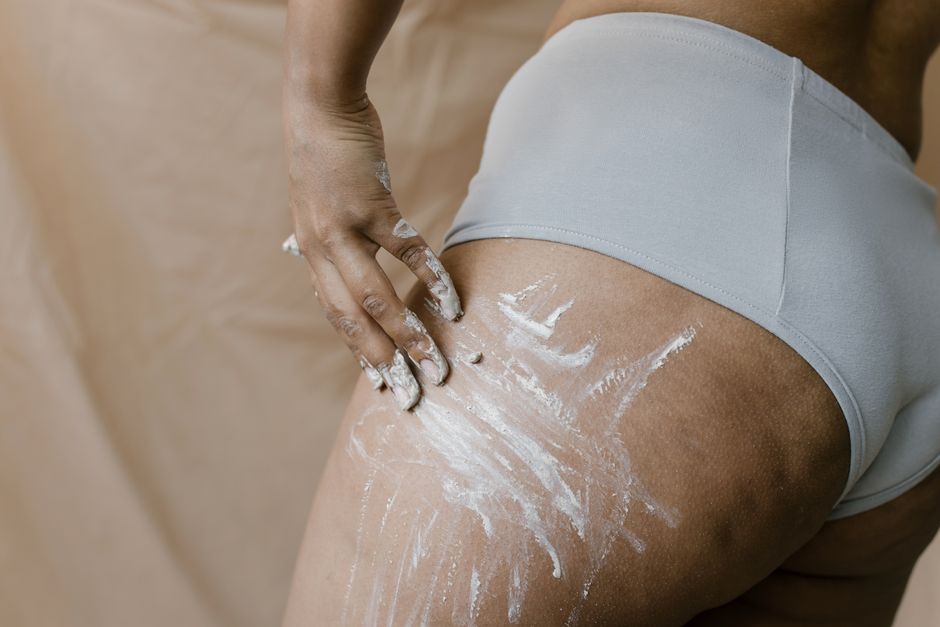
Silicone cream is a topical product used mainly to improve the appearance of scars and to protect and hydrate skin. It works by forming a thin, breathable film over the skin’s surface rather than by delivering medicine into the bloodstream. The most common use is on raised, red, or thickened scars after an injury or surgery.
What Is Silicone Cream Used For Scars And Skin?
Silicone is used for two broad purposes: scar management and general skin protection. These are different jobs, and the product you choose depends on which one you need.
For scars, silicone is one of the few topical approaches with real research behind it. It is commonly applied to:
- Hypertrophic scars — raised scars that stay within the original wound boundary
- Keloids — scars that grow beyond the original wound edge
- Surgical scars after the wound has fully closed
- Burn scars, once healed
- Some older scars that are still red or firm
For skin, silicone creams and gels act as a barrier. They reduce water loss from the skin’s surface, which can soften dry or rough patches. This barrier effect is why some people use silicone products on dry heels, elbows, or areas prone to chafing.
It helps to separate what silicone genuinely does from what it does not. It is not a steroid. It is not an antibiotic. It does not lighten pigment or erase a scar. Its main documented effect is on scar texture, thickness, and color over time.
How Does Silicone Cream Actually Work on Scars?
The exact mechanism is not fully settled, but the leading explanation is physical rather than chemical. When silicone sits on a scar, it creates a semi-occlusive seal. This seal changes the amount of water the scar loses through evaporation.
That change appears to influence how scar tissue matures. Scar tissue is not static. After a wound heals, the tissue continues to remodel for months. During this remodeling phase, collagen is laid down, broken apart, and rebuilt. If that process goes off track, you can get a scar that stays raised, red, and firm.
Two ideas are usually offered for why silicone helps:
- It increases hydration of the outer skin layer, which may calm the signals that drive excess collagen
- It applies gentle, constant pressure and keeps the scar from drying out
Neither explanation is proven beyond doubt. What is better established is the outcome: across multiple studies, silicone products tend to improve scar appearance compared with no treatment. The effect is modest and gradual, not dramatic.
One clarification worth knowing: silicone does not need to be “absorbed” to work. In fact, silicone molecules are large and largely stay on the surface. Products marketed on claims of deep absorption are describing something that does not match how silicone behaves.
Does Silicone Cream Really Work for Scars?
The evidence supports silicone for scar improvement, with important limits. Research consistently shows that silicone gel and silicone sheets can help reduce scar thickness, redness, and firmness. This is why silicone is widely recommended by dermatologists and plastic surgeons as a first-line option.
But the strength of that evidence varies by scar type and by how the studies were done. Many trials are small. Some rely on how a scar looks rather than on objective measurements. And results differ from person to person.
What silicone can reasonably do:
- Soften a firm, raised scar over weeks to months
- Reduce redness, especially in newer scars
- Flatten a hypertrophic scar to some degree
- Prevent a healing scar from becoming raised, when started early
What silicone generally cannot do:
- Erase a scar completely
- Remove a keloid on its own
- Change the color of a mature, pale scar
- Replace surgery or steroid injections for severe keloids
Timing matters. Silicone tends to work best on newer scars, once the wound has closed but while the scar is still maturing. On a scar that is years old and fully mature, the benefit is usually smaller. Some people still see softening, but expectations should be realistic.





How Do You Use Silicone Cream Correctly?
How you apply silicone matters as much as which product you buy. The general approach is consistent across most products, though you should follow the specific label instructions.
The usual steps:
- Wait until the wound is fully closed. Do not apply to an open wound or one that is still scabbing.
- Clean and dry the scar area.
- Apply a thin layer — a little goes a long way. A thick layer does not work better and can be messy.
- Let it dry if the product forms a film.
- Use it consistently. Silicone is not a one-time application.
Consistency is the part people underestimate. Scar remodeling takes months. Studies that show benefit typically involve daily use over an extended period. Stopping after a week because nothing changed misses the point — silicone works slowly.
If you develop redness, itching, or a rash, stop using it. Silicone reactions are uncommon but possible, and a reaction to any topical product should be checked by a clinician if it does not clear.
Silicone Cream vs Silicone Gel Sheets: What Is the Difference?
Silicone comes in two main forms for scars: creams or gels, and sheets. They share the same basic ingredient but behave differently.
| Feature | Silicone Cream or Gel | Silicone Sheet |
|---|---|---|
| Best for | Irregular areas, joints, visible skin, hairy areas | Flat, accessible scars |
| Ease of use | Easy to apply, dries quickly | Needs to stay in place, may need tape |
| Reuse | Single application each time | Sheets can often be washed and reused |
| Discomfort | Low, generally comfortable | Can shift or peel off |
| Cost over time | Recurring | Higher upfront, may last longer |
Both forms have evidence behind them. Neither is clearly superior in every case. The better choice often comes down to where the scar is and what you will actually keep using. A product you apply daily beats a better product you abandon.
Who Should Be Careful With Silicone Products?
Silicone is generally well tolerated, but a few situations call for caution.
Do not apply silicone to broken skin, open wounds, or areas with an active infection. It is meant for closed, healed skin. Using it too early can trap bacteria or irritate the wound.
People with sensitive skin or a known allergy to silicone should test a small area first. True silicone allergy is uncommon, but it exists. If a product contains added fragrances, preservatives, or other ingredients, the reaction may be to those rather than to the silicone itself.
For children, pregnant women, and people with certain skin conditions, there is less direct research on scar silicone use. No specific clinical guidelines cover every one of these groups. If you are unsure, ask a dermatologist or your doctor before starting.
Silicone scar products are not a substitute for medical care when a scar is causing pain, restricting movement, or growing rapidly. Those signs warrant a clinical evaluation, not a drugstore cream.
What Else Helps Scars Besides Silicone?
Silicone is one option among several, and it is not always the best one on its own.
Pressure therapy is used for some scars, especially burn scars, often alongside silicone. Steroid injections are a common medical treatment for raised scars and keloids. In some cases, surgery, laser treatment, or other procedures are used. These decisions belong with a clinician who can see the scar.
Sun protection matters more than many people realize. New scars can darken with sun exposure, and that discoloration can be long-lasting. Covering a healing scar or using sunscreen helps prevent this.
Patience is part of the process. Scars change over many months regardless of what you do. Silicone can nudge that process in a favorable direction, but it does not control it.
Frequently Asked Questions
What is silicone cream used for?
Silicone cream is used mainly to improve the appearance of scars, including raised and surgical scars, and to protect and hydrate dry skin. It works by forming a thin film on the skin’s surface rather than by being absorbed.
Does silicone cream really remove scars?
No, silicone does not remove scars. Research shows it can soften, flatten, and reduce the redness of some scars over time, but it does not erase them.
How long does silicone cream take to work on a scar?
Silicone works slowly, and studies showing benefit typically involve daily use over an extended period. Improvement usually appears over weeks to months, not days.
Can you put silicone cream on an open wound?
No, silicone should only be applied to fully closed, healed skin. Using it on an open wound or infected area can cause irritation or trap bacteria.
