
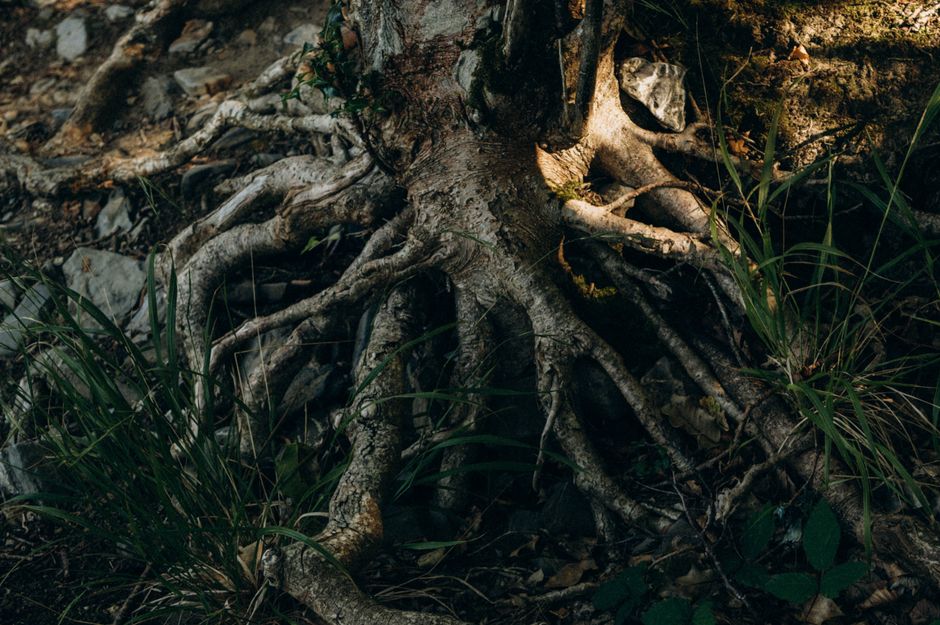
Root rot is a plant disease that kills plants from the roots up. It happens when roots sit in waterlogged soil for too long, which allows fungi to grow and attack the root system. The main causes are overwatering, poor drainage, and soil fungi like Pythium or Phytophthora. Signs include yellowing leaves, wilting, mushy brown roots, and a bad smell from the soil. Treatment involves cutting away dead roots, repotting in fresh dry soil, and watering less often.
What Exactly Causes Root Rot in Houseplants and Garden Plants?
Root rot starts when soil stays wet for too long. Plant roots need oxygen to stay healthy. When water fills the air pockets in soil, roots cannot breathe. This stress makes them weak and open to infection.
Fungi that cause root rot are always present in soil. They are not harmful when the plant is healthy. But when roots are stressed from too much water, these fungi multiply fast. The most common ones are Pythium, Phytophthora, Rhizoctonia, and Fusarium. These fungi attack the root tissue and prevent it from absorbing water and nutrients.
Poor drainage makes everything worse. Pots without drainage holes trap water at the bottom. Heavy soil that holds water instead of letting it drain also creates the perfect environment for rot. Even a healthy plant can develop root rot in just a few days if the soil stays soggy.
Some people believe root rot is caused by a single fungus. That is not accurate. Research published in the journal Plant Disease notes that multiple fungal species can cause similar symptoms. The treatment is the same no matter which fungus is involved.
What Are the First Signs of Root Rot You Can See?
The first signs of root rot are often mistaken for other problems. Yellowing leaves are usually the earliest visible symptom. The lower leaves turn yellow first, then the whole plant looks pale and sad. Many people think this means the plant needs more water. That is exactly the wrong response.
Wilting is another early sign. The plant looks droopy even when the soil is wet. This happens because the damaged roots cannot move water to the leaves. The plant looks thirsty but the soil is actually too wet. This confusion is why root rot kills so many plants before people realize what is happening.
Stunted growth is a third sign. A plant with root rot stops growing new leaves. If your plant has not produced new growth in weeks or months, check the roots. Healthy plants push out new leaves regularly during the growing season.
The smell test is reliable. Healthy soil smells earthy. Soil with root rot smells sour or like rotten eggs. That odor comes from anaerobic bacteria that grow in waterlogged conditions. If you smell something bad coming from the pot, root rot is likely present.
How Do You Confirm Root Rot by Checking the Roots?
The only way to confirm root rot is to look at the roots. You have to take the plant out of the pot. This might feel scary, but it is necessary. Do it over a sink or outdoors to catch the soil.
Healthy roots are firm and white or light tan. They feel solid when you gently squeeze them between your fingers. They do not break apart easily. Healthy roots also have a fresh, earthy smell.
Rotting roots are soft, mushy, and dark brown or black. They fall apart when you touch them. The outer layer of the root slides off easily, leaving a thin stringy core. This is called the root sheath slipping off, and it is a clear sign of rot.
Some people think brown roots always mean root rot. That is not true. Some plants naturally have darker roots. Orchids and some succulents have roots that appear brown when dry. The texture test is more reliable than the color test alone. If the root is firm, it is probably fine. If it is mushy, it is rotting.





What Is the Best Treatment for Root Rot Once You Find It?
Treatment starts with removing the plant from its pot. Shake off all the old soil. Rinse the roots gently with room-temperature water so you can see what you are working with. You need a clean view of every root.
Cut away all the mushy, dark roots with clean scissors or pruning shears. Sterilize the blades with rubbing alcohol between cuts. This prevents spreading fungus to healthy roots. Be aggressive here. If a root looks questionable, cut it off. Leaving even a small piece of rotting root can reinfect the plant.
After cutting, wash the remaining healthy roots with a diluted hydrogen peroxide solution. Mix one part 3% hydrogen peroxide with three parts water. Soak the roots for about five minutes. This kills fungal spores on the surface. Do not use full-strength peroxide. It will damage healthy tissue.
Repot the plant in a clean pot with fresh, dry potting mix. The new pot must have drainage holes. Use a pot that is just big enough for the remaining roots. A pot that is too large holds too much moisture and increases the risk of rot returning. Water very lightly for the first two weeks. Let the plant recover before returning to a normal watering schedule.
| Treatment Step | What to Do | What to Avoid |
|---|---|---|
| Remove plant | Gently take plant out of pot over sink | Pulling hard and damaging roots |
| Clean roots | Rinse with room-temperature water | Using hot or cold water |
| Cut rot | Use sterilized scissors to remove mushy roots | Leaving any rotting tissue behind |
| Disinfect | Soak in diluted hydrogen peroxide for 5 minutes | Using full-strength peroxide |
| Repot | Use clean pot with drainage holes and fresh soil | Reusing old soil or dirty pots |
| Water | Water very lightly for 2 weeks | Watering on a schedule without checking soil |
Can You Save a Plant with Advanced Root Rot?
Plants with advanced root rot are hard to save. If more than half the roots are mushy and dead, the plant may not survive. The plant cannot absorb enough water and nutrients to support its leaves. Even with perfect care, the odds are low.
But there is a backup option. You can take cuttings from the healthy parts of the plant and propagate them. This works for many houseplants like pothos, philodendron, and snake plants. Cut a stem with a few leaves and put it in water or moist soil. The cutting will grow new roots that are free from rot.
This approach is better than trying to save a plant with almost no roots left. The original plant will likely die slowly. The cutting gives you a fresh start with healthy tissue. Some people feel bad throwing away the original plant. But propagation is not giving up. It is the most effective strategy when rot has destroyed most of the root system.
Research from the University of Florida Extension confirms that propagation from stem cuttings is the most reliable method for saving plants with severe root rot. The new roots grow free of the pathogens that infected the old roots.
How Do You Prevent Root Rot from Coming Back?
Prevention is easier than treatment. The most important rule is to water only when the soil is dry. Stick your finger about two inches into the soil. If it feels dry, water. If it feels damp, wait. This simple test prevents overwatering better than any gadget.
Use pots with drainage holes. Every pot must have at least one hole at the bottom. If you have a decorative pot without holes, use it as a cachepot. Keep the plant in a plastic nursery pot inside the decorative pot. Remove the nursery pot when you water, let it drain fully, then put it back.
Choose the right soil for your plant type. Succulents and cacti need fast-draining soil with sand or perlite. Tropical plants need soil that holds some moisture but still drains well. General potting mix works for most houseplants, but you can add perlite to improve drainage. The CDC does not have guidelines on potting soil, but the American Phytopathological Society recommends using well-draining mixes to reduce root disease risk.
Some people believe that adding gravel or rocks to the bottom of a pot improves drainage. This is a myth. Research shows that gravel at the bottom actually raises the water table inside the pot and keeps roots wetter. Just use potting mix from top to bottom and make sure the holes are clear.
- Water only when top two inches of soil are dry
- Always use pots with drainage holes
- Choose soil that matches your plant type
- Do not put gravel at the bottom of pots
- Empty saucers after watering so roots do not sit in water
- Reduce watering in winter when plants grow slower
Common Misconceptions About Root Rot
Many people think root rot is caused by overwatering alone. Overwatering is a factor, but the actual cause is the fungi that grow in wet conditions. A plant can sit in wet soil for a short time without developing rot if the fungi are not present. But most soils contain these fungi, so wet soil almost always leads to rot eventually.
Another common belief is that letting soil dry out completely between waterings kills root rot fungi. That is not entirely accurate. Drying the soil stops the fungi from growing, but it does not kill them. The fungal spores can survive in dry soil for months. When you water again, they become active. This is why prevention requires consistent proper watering, not just occasional drying.
Some people claim that cinnamon powder cures root rot. Cinnamon has mild antifungal properties, but there is no clinical evidence that it can treat an active root rot infection. The National Gardening Association notes that cinnamon may help prevent rot on fresh cuttings, but it will not fix an established infection. Stick to removing rotten roots and using fresh soil.
Frequently Asked Questions
Can root rot spread to other plants?
Yes, root rot can spread through contaminated water, soil, or tools. Always wash your hands and sterilize tools after handling an infected plant.
How long does it take for root rot to kill a plant?
Root rot can kill a small plant in a few days and a larger plant in one to two weeks. The speed depends on the plant type and the severity of the infection.
Can you reuse soil from a plant that had root rot?
No, do not reuse soil from a plant with root rot. The fungal spores remain in the soil and will infect the next plant. Throw the old soil away.
Does root rot always smell bad?
Not always. Mild root rot may not produce a noticeable smell. A strong sour or rotten odor usually means the rot is advanced and widespread.
