
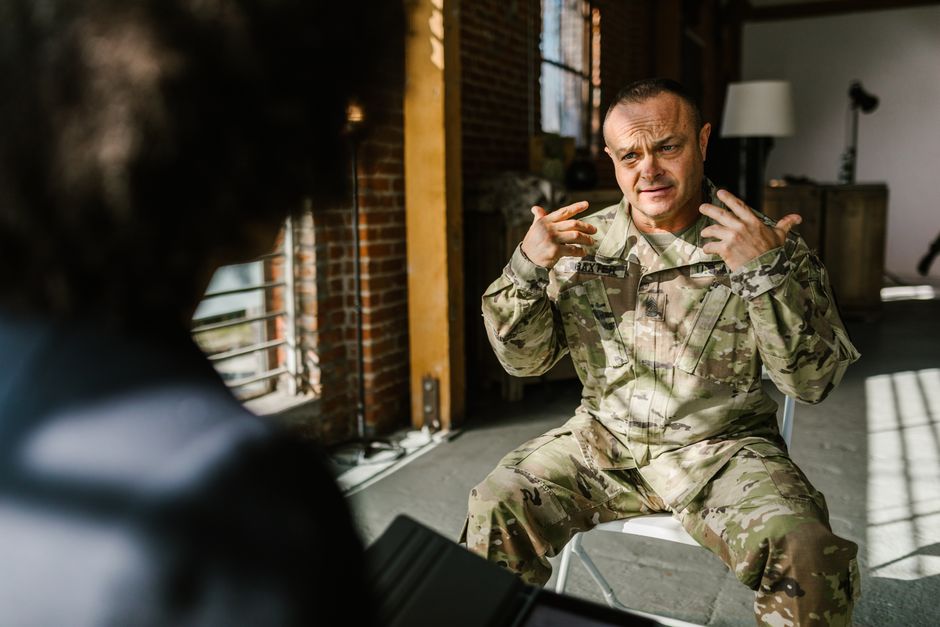
Retraumatization happens when something in the present reminds you of a past trauma so strongly that your brain and body react as if the trauma is happening again, right now. For someone with PTSD, this is not simply feeling upset or having a bad memory. It is a full nervous system response that can include intense fear, panic, and physical symptoms. The experience can reinforce the original trauma and make PTSD symptoms worse over time.
What Is Retraumatization And How Does It Affect Ptsd?
Retraumatization is the reactivation of trauma symptoms after a new event or situation triggers memories of an earlier traumatic experience. The trigger does not have to be a major event. It can be a sound, a smell, a tone of voice, a location, or even a physical sensation that the brain associates with the original trauma.
In PTSD, the brain stores the traumatic memory differently than ordinary memories. Instead of being filed away as something that happened in the past, the memory stays active and easily triggered. When a trigger occurs, the brain sends out alarm signals as if the threat is happening in the present moment. This is why a person may feel their heart race, breathe faster, sweat, or feel a strong urge to escape — even when they are completely safe.
The effect on PTSD is significant. Each time retraumatization occurs, it can strengthen the connection between the trigger and the fear response. This can make the person more sensitive to triggers over time, meaning they may react to things that previously did not bother them. It can also lead to avoidance behaviors, where the person starts limiting their activities, relationships, and daily routines to try to prevent another episode.
How Is Retraumatization Different From A Flashback?
Flashbacks and retraumatization are related but not the same thing. A flashback is a specific symptom where a person feels as though they are reliving the traumatic event. It can be visual, where the person sees images of the past, or it can be sensory, where they feel physical sensations from the time of the trauma. During a flashback, the person may lose awareness of their current surroundings.
Retraumatization is a broader process. It includes flashbacks but also covers any situation where the trauma response is reactivated. A person can be retraumatized without having a full flashback. They may simply feel a sudden wave of anxiety, become emotionally numb, or feel detached from their body. The key difference is that flashback refers to the experience itself, while retraumatization refers to the process of being re-exposed to the emotional and physical impact of the trauma.
Both are signs that the nervous system has not fully processed the original traumatic event. Neither means the person is weak or failing at recovery. These are normal responses to abnormal experiences.
What Situations Commonly Trigger Retraumatization?
Triggers are highly personal. What affects one person may not affect another. However, some patterns are common among people with PTSD.
Sensory triggers are among the most frequent. A specific smell, such as smoke or a particular cologne, can instantly bring a person back to the traumatic moment. Noises like a car backfiring, a door slamming, or raised voices can set off the alarm response. Physical touch can also be a trigger, especially if the trauma involved physical or sexual violence.
Interpersonal situations can also cause retraumatization. Being in a conflict, feeling powerless, or being spoken to in a certain tone of voice can activate the trauma response. This is especially common when the original trauma involved abuse, neglect, or betrayal by someone close.
Medical and legal settings are another common source. A doctor’s office, a hospital room, or a courtroom can feel threatening to someone whose trauma involved physical harm or a loss of control. Being asked to undress, being touched by a stranger, or being questioned in a formal setting can all trigger symptoms.
Life transitions such as becoming a parent, reaching the same age as the abuser, or experiencing a breakup can also resurface trauma. These situations do not have to be similar to the original event. They simply activate the underlying fear or helplessness that the trauma created.





What Happens In The Brain During Retraumatization?
When retraumatization occurs, the brain shifts into survival mode. The amygdala, which acts as the brain’s alarm system, signals that danger is present. This happens even when the conscious mind knows the situation is safe. The prefrontal cortex, which is responsible for logical thinking and reasoning, becomes less active. This is why a person may have difficulty thinking clearly or speaking during a retraumatization episode.
The body also responds. The sympathetic nervous system activates the fight-or-flight response. Adrenaline and cortisol are released. Heart rate and blood pressure increase. Breathing becomes faster and shallower. Muscles tense up. In some cases, the person may freeze instead of fighting or fleeing. Freezing is a natural survival response where the body goes still to avoid detection.
For some people, the nervous system becomes overwhelmed and the body shuts down. This is called dissociation. The person may feel disconnected from their body, feel numb, or feel like they are watching themselves from outside. Dissociation is the brain’s way of protecting itself from overwhelming distress. It is not a sign of weakness or avoidance.
These responses are automatic. They are not choices. The brain is doing exactly what it was wired to do in response to a perceived threat. The problem is that the threat is in the past, not the present. Retraumatization happens when the brain cannot tell the difference.
How Does Retraumatization Affect Daily Life?
Retraumatization can change how a person lives their life. Many people with PTSD begin to avoid anything that might trigger them. This is known as avoidance behavior. The person may stop going to certain places, avoid certain people, or refuse to discuss certain topics. Over time, the world becomes smaller. Work, school, and relationships can suffer.
Sleep is often affected. The brain stays on high alert, making it difficult to fall asleep or stay asleep. Nightmares are common. A person may wake up in a state of panic, having re-experienced the trauma in a dream. Poor sleep makes it harder to cope with stress during the day, which can make the person more vulnerable to further retraumatization.
Relationships are frequently strained. A person who is easily triggered may react with anger, withdrawal, or fear in situations that seem normal to others. Partners, family members, and friends may not understand why the person is reacting so strongly. This can lead to conflict, misunderstanding, and isolation.
Work performance can decline. Difficulty concentrating, irritability, and the need to take breaks to manage symptoms can make it hard to function in a demanding job. Some people miss work entirely because they are too overwhelmed to leave the house.
Can Retraumatization Be Prevented?
Prevention is not about avoiding all triggers. That is impossible and can make the problem worse. Instead, prevention focuses on building skills to manage the response when it happens.
Learning to recognize early warning signs is one step. Many people notice physical changes before they are fully overwhelmed. A faster heartbeat, shallow breathing, or a feeling of tension can be early signals. Noticing these signs early gives the person a chance to use coping skills before the response becomes overwhelming.
Grounding techniques can help bring the person back to the present moment. These techniques focus on the here and now, using the senses to anchor the person in reality. For example, the person might name five things they can see, four things they can touch, three things they can hear, two things they can smell, and one thing they can taste. This is called the 5-4-3-2-1 technique. It is widely taught in trauma therapy.
Breathing exercises can also help. Slowing the breath signals to the nervous system that the danger is not immediate. A common approach is to breathe in for four counts, hold for four counts, and exhale for four counts. This is called box breathing. It is a simple technique that can be done anywhere.
These strategies do not stop the initial trigger response. They help the person ride out the wave without becoming fully overwhelmed. They are skills that improve with practice.
What Treatments Address Retraumatization?
Several evidence-based treatments are effective for PTSD and can reduce the frequency and intensity of retraumatization episodes.
Trauma-focused cognitive behavioral therapy (CBT) is one of the most studied approaches. It helps the person understand how their thoughts, feelings, and behaviors are connected. The therapist helps the person identify unhelpful beliefs about the trauma and develop more balanced ways of thinking.
Eye movement desensitization and reprocessing (EMDR) is another established treatment. EMDR involves recalling the traumatic memory while engaging in bilateral stimulation, such as following the therapist’s finger with the eyes. The goal is to help the brain process the memory so it no longer triggers the same level of distress. Research has shown EMDR to be effective, though exactly how it works is still being studied.
Prolonged exposure therapy involves gradually approaching trauma-related memories and situations that the person has been avoiding. This is done with a therapist in a controlled way. Over time, the person learns that the memories and situations are not dangerous, and the fear response decreases.
Medication can also be part of treatment. Selective serotonin reuptake inhibitors (SSRIs) such as sertraline and paroxetine are approved by the FDA for PTSD. These medications can reduce symptoms of depression and anxiety, which often accompany PTSD. They do not cure PTSD, but they can make it easier to engage in therapy.
Treatment is not one-size-fits-all. Some people benefit from one approach, while others need a combination. What matters is working with a qualified mental health professional who has experience treating trauma.
When Should Someone Seek Professional Help?
Anyone who experiences retraumatization that interferes with daily life should consider speaking with a mental health professional. Signs that help is needed include difficulty functioning at work or school, avoiding important activities, trouble maintaining relationships, or using alcohol or drugs to cope.
If a person has thoughts of self-harm or suicide, they should seek help immediately. In the United States, the Suicide and Crisis Lifeline can be reached by calling or texting 988. This service is available 24 hours a day, seven days a week.
Retraumatization is not a sign of failure. It is a symptom of a condition that has effective treatments. Many people with PTSD recover significantly with the right support. Recovery is not about forgetting the trauma. It is about reducing the power it has over the present.
Frequently Asked Questions
What is the difference between a trigger and retraumatization?
A trigger is the event or sensation that sets off the trauma response, while retraumatization is the full emotional and physical reaction that follows. Not every trigger leads to retraumatization, but retraumatization always begins with a trigger.
Can someone without PTSD experience retraumatization?
Yes. People without a PTSD diagnosis can experience retraumatization after a distressing event, especially if they have unresolved trauma from earlier in life. The response may be less intense or shorter-lasting, but the mechanism is similar.
How long does a retraumatization episode last?
An episode can last anywhere from a few minutes to several hours, depending on the person and the intensity of the trigger. The acute symptoms usually settle once the nervous system calms down, but the emotional after-effects may linger for days.
Does retraumatization mean PTSD is getting worse?
Not necessarily. Retraumatization can be a sign that the person is experiencing a higher level of stress or has encountered a particularly powerful trigger. It can also happen during recovery as the person begins to face memories they previously avoided. A therapist can help determine whether symptoms are improving or worsening.
