
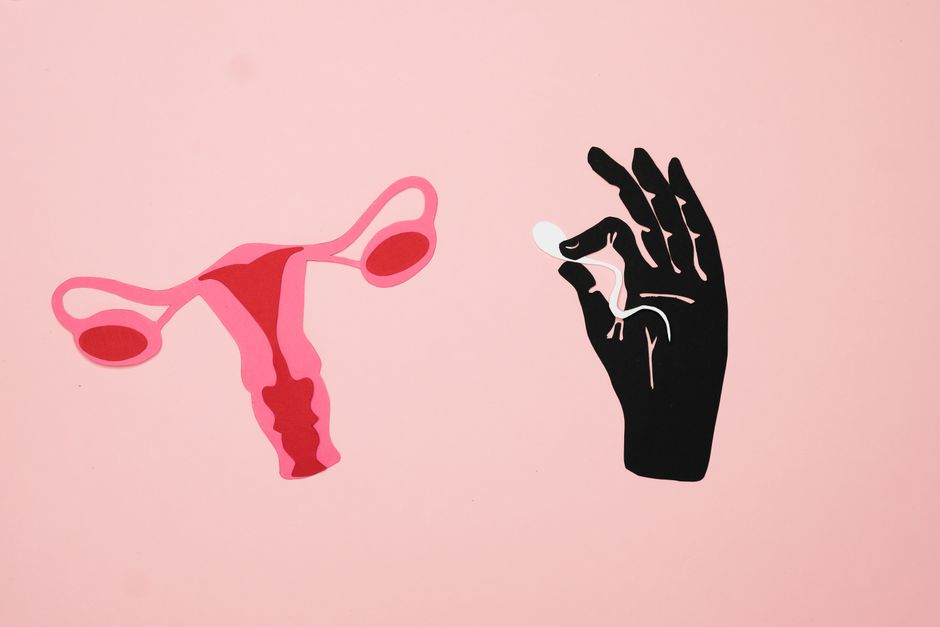
AZF deletions are missing pieces of genetic material on the Y chromosome that directly impact sperm production. They are a known genetic cause of male infertility, often resulting in low sperm count or no sperm in the ejaculate. For men with these deletions, the ability to father a child naturally is usually limited, but assisted reproductive technologies like ICSI can sometimes help.
What Exactly Are AZF Deletions?
AZF stands for “Azoospermia Factor.” It is a region on the Y chromosome that contains genes critical for making sperm. When a section of this region is missing, it is called an AZF deletion. Think of it like a section of a blueprint being torn out. The body cannot follow the instructions to build healthy sperm cells.
There are three main types of AZF deletions, labeled AZFa, AZFb, and AZFc. Each type affects a different part of the Y chromosome. The type of deletion often predicts how severe the fertility problem will be. AZFc deletions are the most common and often the least severe. AZFa and AZFb deletions are rarer but usually cause more serious issues.
These deletions are not something a man “catches” or develops later in life. They are present from conception. A man inherits a Y chromosome from his father that already has the missing piece. In some cases, the deletion happens as a new mutation during the father’s sperm production.
How Do AZF Deletions Affect Sperm Production?
The severity of the effect depends entirely on which AZF region is deleted. Research published in journals like Human Reproduction Update has mapped out the typical outcomes for each type.
AZFa deletions are the most severe. They almost always result in a condition called Sertoli cell-only syndrome. This means the testicles have no sperm-producing cells at all. There is no sperm in the ejaculate, and surgical retrieval usually finds nothing. The outlook for biological fatherhood with AZFa deletions is very poor.
AZFb deletions are also severe. Sperm production usually stops at an early stage. The testicles may have some early sperm cells, but they rarely mature into usable sperm. Like AZFa, surgical sperm retrieval is typically unsuccessful. The American Society for Reproductive Medicine considers these deletions a strong indicator that sperm retrieval will fail.
AZFc deletions are different. They are the most common type and the most variable. Some men with AZFc deletions have no sperm in their ejaculate. Others have very low sperm counts. A small number may have sperm counts high enough for natural conception, though this is rare. Surgical sperm retrieval has a reasonable success rate for AZFc deletions, especially when sperm are still present in the ejaculate.
How Common Are AZF Deletions in Infertile Men?
AZF deletions are not rare in the world of male infertility. Studies consistently show they are found in about 1 in 2,000 men in the general population. But among men who are being evaluated for infertility, the numbers are higher.
According to the European Association of Urology, AZF deletions are found in approximately 5% to 10% of men with azoospermia (no sperm in the ejaculate). They are found in about 2% to 5% of men with severe oligospermia (very low sperm count). This makes them one of the most common identifiable genetic causes of male infertility.
Testing for AZF deletions is now standard practice for any man with unexplained low sperm count or no sperm. The test is a simple blood draw. It looks for the specific missing pieces of DNA on the Y chromosome. The results help doctors predict whether sperm retrieval might work and guide decisions about treatment.





Can Men With AZF Deletions Still Father Children?
This depends heavily on the type of deletion. For AZFa and AZFb deletions, the answer is usually no. Surgical sperm retrieval attempts in these cases have a success rate near zero. The only options for biological fatherhood for these men are not available with current technology.
For AZFc deletions, the picture is more hopeful. A table can help clarify the differences.
| Deletion Type | Typical Effect on Sperm | Sperm Retrieval Success Rate | Outlook for Biological Fatherhood |
|---|---|---|---|
| AZFa | No sperm production (Sertoli cell-only) | Near 0% | Very poor |
| AZFb | Sperm production stops early | Near 0% | Very poor |
| AZFc | Low sperm count or no sperm | 50% to 70% with micro-TESE | Good with IVF/ICSI |
For men with AZFc deletions who do have sperm retrieved, the next step is usually intracytoplasmic sperm injection (ICSI). A single sperm is injected directly into an egg. This bypasses the need for the sperm to swim or penetrate the egg on its own. Success rates with ICSI using sperm from AZFc deletion men are similar to those for other causes of male infertility, though not identical.
What Are the Genetic Risks for Children?
This is a critical concern. AZF deletions are not just a fertility issue for the father. They can be passed down to sons. If a man with an AZFc deletion fathers a son through ICSI, that son will inherit the same deletion. He will almost certainly face the same fertility problems as his father.
Research shows that the deletion is passed on in nearly 100% of male children conceived this way. There is no way to prevent it with current technology. Some families choose preimplantation genetic testing (PGT) to select for female embryos, which are not affected. Others accept the risk and plan for future fertility options for their sons.
There is also some evidence that the deletion can expand or worsen in the next generation. A son might inherit a larger deletion than his father had. This could make his fertility problems more severe. The exact risk of this happening is not well studied, but it is a known possibility.
Genetic counseling is strongly recommended before pursuing ICSI with AZFc deletion sperm. A counselor can explain the inheritance pattern, discuss the options for PGT, and help couples make an informed decision. This is not a step to skip.
What Treatments Are Available and What Are the Limitations?
For men with AZFa or AZFb deletions, there is no treatment that can restore sperm production. Hormone treatments, supplements, and lifestyle changes do not fix a missing piece of DNA. The testicles simply lack the genetic instructions to make sperm. Some clinics may still offer experimental treatments, but the evidence does not support them.
For AZFc deletions, the main treatment is surgical sperm retrieval combined with ICSI. The most common procedure is microdissection testicular sperm extraction (micro-TESE). A surgeon uses a microscope to search the testicular tissue for small pockets of sperm production. Success rates vary by clinic and surgeon experience.
Here are the key limitations to understand:
- Sperm retrieval is not guaranteed even for AZFc deletions. About 30% to 50% of men will have no sperm found.
- The sperm retrieved may have poor quality. They are often immature or have DNA damage.
- ICSI success rates are slightly lower than average when using testicular sperm from men with AZF deletions.
- The procedure is expensive and not always covered by insurance.
- There is a small risk of complications from the surgery, including pain, infection, or reduced testosterone levels.
Some clinics advertise “gene therapy” or other experimental treatments for AZF deletions. As of 2026, there is no clinical evidence that any such therapy works in humans. These claims should be viewed with extreme caution. The only proven path to biological fatherhood for most men with AZF deletions is ICSI with retrieved sperm.
Frequently Asked Questions
Can AZF deletions be fixed or reversed?
No. AZF deletions are permanent genetic changes that cannot be repaired with current medical technology.
Are AZF deletions inherited from the father?
Yes, in most cases. A man inherits the deletion from his father, though it can also occur as a new mutation.
Do AZF deletions affect overall health besides fertility?
Generally no. AZF deletions specifically affect sperm production and do not cause other health problems.
Is there a test for AZF deletions?
Yes. It is a simple blood test that looks for missing DNA on the Y chromosome, often done during infertility evaluations.
