
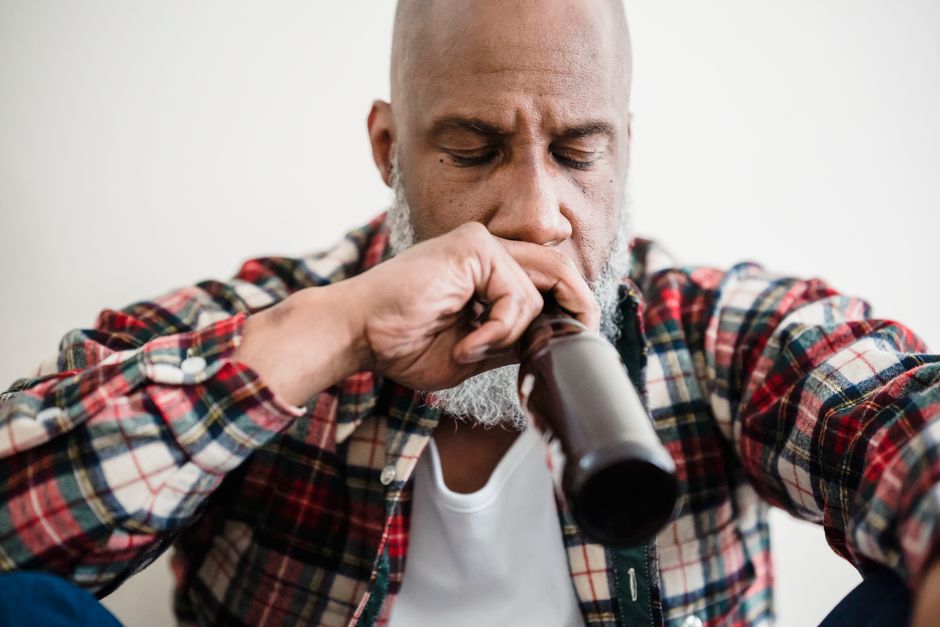
Alcohol reaches nearly every cell in your body, and it speeds up aging from your skin to your brain. Drinking regularly damages DNA, shortens telomeres (the caps on your chromosomes), and triggers inflammation that ages tissues faster than normal. The effects are not just about wrinkles or a hangover — alcohol changes how your body repairs itself at a fundamental level.
Does Alcohol Really Speed Up Biological Aging?
Yes. Research published in Molecular Psychiatry found that alcohol consumption directly shortens telomere length. Telomeres are like the plastic tips on shoelaces — they protect your chromosomes. When they get shorter, your cells age faster and die sooner.
The study looked at data from over 245,000 participants. People who drank more had significantly shorter telomeres. The effect was equivalent to about 1-2 years of extra aging for every 10 drinks per week above moderate levels.
This is not just about heavy drinkers. Even people who had one or two drinks daily showed measurable telomere shortening compared to non-drinkers. The relationship was linear — more alcohol meant more cellular aging.
How Does Alcohol Affect Your Skin and Appearance?
Alcohol dehydrates your skin and damages its structure. It reduces levels of vitamin A, which your skin needs to repair itself and produce collagen. Without enough collagen, skin loses elasticity and develops fine lines earlier.
Alcohol also dilates blood vessels in your skin. Over time, this causes broken capillaries and a permanently red or flushed appearance, especially on the nose and cheeks. This is not just a temporary flush — the damage becomes permanent with regular drinking.
Research from the American Academy of Dermatology shows that heavy drinkers are more likely to develop rosacea, psoriasis, and slow wound healing. Your skin also becomes more vulnerable to sun damage because alcohol depletes antioxidants that normally protect against UV rays.
One less obvious effect: alcohol disrupts sleep quality. Poor sleep increases cortisol, which breaks down collagen. So even if you drink moderately, the sleep disruption alone accelerates skin aging.
How Does Alcohol Affect Aging the Body Wide Effects on Organs?
The liver takes the biggest hit. Your liver processes about one standard drink per hour. When you drink faster than that, alcohol and its toxic byproduct acetaldehyde build up and damage liver cells. Over years, this causes fatty liver, then alcoholic hepatitis, then cirrhosis — each stage making it harder for your liver to filter toxins and produce proteins your body needs.
Your brain also shrinks with regular alcohol use. A study from the University of Oxford followed 550 adults for 30 years and found that any alcohol consumption was linked to reduced brain volume. The effect was strongest in the frontal lobe, which controls decision-making and impulse control. This was not limited to heavy drinkers — even light to moderate drinkers showed brain shrinkage compared to abstainers.
Your heart muscle weakens over time with alcohol. Chronic drinking can cause alcoholic cardiomyopathy, where the heart becomes enlarged and cannot pump blood effectively. The American Heart Association notes that heavy drinking raises blood pressure and increases the risk of stroke and heart failure.
Your immune system also ages faster. Alcohol damages the lining of your gut, allowing bacteria to leak into your bloodstream. Your immune system stays in a constant state of low-grade activation, which accelerates aging throughout the body.
| Organ | Effect of Chronic Alcohol | Reversibility |
|---|---|---|
| Liver | Fatty liver, cirrhosis | Partially reversible if caught early |
| Brain | Reduced volume, cognitive decline | Minimal reversal |
| Heart | Weakened muscle, high blood pressure | Partially reversible |
| Skin | Collagen loss, broken capillaries | Some improvement after stopping |
| Immune system | Chronic inflammation, weaker defenses | Improves after weeks of abstinence |





What Does the Research Say About Light Drinking and Longevity?
This is where things get complicated. For years, people believed that a glass of red wine was good for the heart. That idea came from observational studies that did not account for something called the “healthy user bias.” People who drink lightly also tend to exercise more, eat better, and have higher income and better healthcare access.
When researchers control for those factors, the supposed benefits of light drinking disappear. A 2023 analysis in JAMA Network Open looked at over 4.8 million adults and found that any alcohol consumption was associated with increased mortality risk. The lowest risk was in people who had less than one drink per week.
The World Health Organization now states plainly that no level of alcohol consumption is safe for your health. Even one drink daily increases your risk of certain cancers, including breast, colon, and esophageal cancer.
Some people report feeling better after quitting alcohol entirely, but that is not the same as evidence that light drinking is harmful for everyone. The research is clear that the risks start at very low levels, but the magnitude of that risk for a single drink per week is small. The decision comes down to how much risk you are personally willing to accept.
How Does Alcohol Affect Hormones and Muscle Mass as You Age?
Alcohol disrupts several hormone systems that decline naturally with age. It lowers testosterone in both men and women. Lower testosterone means less muscle mass, more body fat, and lower bone density — all of which accelerate the physical appearance of aging.
In men, chronic alcohol use can cause testicular shrinkage and erectile dysfunction. These effects are partly reversible if drinking stops early enough, but long-term damage can be permanent.
Alcohol also raises cortisol, the stress hormone. High cortisol breaks down muscle tissue and increases belly fat storage. This combination — less muscle and more visceral fat — is a hallmark of accelerated aging.
Growth hormone, which helps repair tissues and maintain muscle, is suppressed by alcohol. Most growth hormone is released during deep sleep, and alcohol fragments sleep cycles. You get less deep sleep, so you get less growth hormone release.
What to Avoid and What Actually Helps
The most effective step is reducing how much you drink. Research shows that cutting back from heavy drinking to moderate levels slows telomere shortening and improves liver function within weeks. Even reducing by a few drinks per week has measurable benefits.
- Binge drinking is the most damaging pattern. Five or more drinks in two hours causes oxidative stress that ages cells rapidly. One or two drinks spread over an evening is less harmful but still not risk-free.
- Mixing alcohol with energy drinks masks intoxication and leads to drinking more than intended. The caffeine keeps you awake but does not reduce alcohol’s toxic effects on your organs.
- Drinking on an empty stomach increases peak blood alcohol concentration, causing more damage to the liver and brain lining. Food slows absorption and reduces the peak.
- Using alcohol to sleep backfires. Alcohol helps you fall asleep faster but disrupts the second half of the night, reducing restorative deep sleep and REM sleep.
If you choose to drink, spacing drinks with water and having several alcohol-free days per week reduces cumulative damage. Some people report improvements in skin, sleep, and energy after just two weeks of not drinking.
Common Misconceptions About Alcohol and Aging
The idea that red wine is good for your heart is one of the most persistent myths in health. Resveratrol, the compound in red wine that gets credit for heart benefits, requires doses far higher than what you get from wine. You would need to drink hundreds of glasses daily to match the amounts used in studies.
Another common belief is that occasional heavy drinking is fine if you do not drink regularly. This is not true. Binge drinking causes acute inflammation and oxidative damage that ages tissues immediately. The body can repair some of this damage, but repeated binges accumulate.
Some people think that expensive or organic alcohol is less damaging. Alcohol is ethanol regardless of the source. The toxic byproducts your liver produces are the same whether you drink cheap beer or premium wine.
There is also no evidence that taking supplements like milk thistle or vitamin C protects against alcohol damage. These compounds may help the liver process toxins, but they do not prevent the DNA damage or telomere shortening caused by alcohol.
Frequently Asked Questions
Does alcohol cause wrinkles?
Yes. Alcohol dehydrates skin and reduces collagen production, which leads to fine lines and sagging. It also damages blood vessels, causing permanent redness and broken capillaries.
Can your body recover from alcohol damage?
Partially. Liver fat and some skin damage can reverse within weeks of stopping alcohol. Brain volume loss and cirrhosis are largely permanent.
How much alcohol is safe for aging?
The World Health Organization states that no level of alcohol is completely safe. The lowest health risk is at less than one drink per week.
Does quitting alcohol reverse aging?
Some effects reverse, like liver inflammation and poor sleep. Telomere shortening and brain shrinkage are not reversible, but stopping prevents further damage.
