
COVID-19 does not just cause a temporary illness. For many people, the virus leaves a lasting mark on the immune system. Even months after the initial infection clears, the immune system can behave differently. It may be overactive in some ways and weakened in others. This disruption helps explain why some people develop long COVID symptoms and why others get sick more often after their first infection.
Does COVID Permanently Damage the Immune System?
Research shows that COVID-19 does not permanently destroy the immune system in most people. The immune system is designed to recover from infections. But for some, the recovery is slow and incomplete.
A study published in Nature in 2023 found that severe COVID-19 can cause long-lasting changes to immune cells. These changes include reduced numbers of T cells and B cells — the cells that remember past infections and help fight them off. The study followed patients for up to one year after infection. Many still had abnormal immune cell counts.
This is not the same as permanent damage. Most people eventually recover normal immune function. But the timeline can stretch for months or even years. For a small number of people with severe initial illness, the changes may persist longer. The evidence is still emerging on how long these effects last.
How Does COVID Affect the Immune System Long Term?
The long-term effects on the immune system fall into two categories. The first is immune exhaustion. This happens when the immune system works too hard for too long and runs out of energy. Cells become less effective at fighting new threats.
The second is chronic inflammation. After the virus is gone, the immune system may stay switched on. It keeps sending out inflammatory signals even when there is no infection to fight. This low-level inflammation can damage tissues over time and contribute to symptoms like fatigue, brain fog, and joint pain.
Research from the National Institutes of Health has shown that some people have elevated levels of inflammatory markers like C-reactive protein and interleukin-6 for months after COVID. These markers are normally only high during an active infection. Their persistence suggests the immune system is stuck in a heightened state.
This combination of exhaustion and overactivation is unusual. Most viral infections do not produce this dual effect. It may explain why some people feel both run down and inflamed at the same time after COVID.
Can COVID Reactivate Dormant Viruses in the Body?
Some studies suggest that COVID can reactivate other viruses that were lying dormant in your body. The most common example is the Epstein-Barr virus (EBV), which causes mononucleosis. Most adults carry EBV in a dormant state after their first infection as a child or teenager.
Research published in Frontiers in Immunology found that nearly 67% of people with long COVID had signs of EBV reactivation in their blood. This does not mean COVID causes long COVID through EBV. But it may contribute to symptoms like extreme fatigue and swollen lymph nodes.
The mechanism makes sense. When the immune system is distracted fighting COVID, it stops keeping other viruses in check. This is also seen with herpes simplex virus (cold sores) and varicella-zoster virus (shingles). Many people report more frequent outbreaks of these conditions after COVID.
This is not a new phenomenon. Other infections like influenza can also trigger reactivation of dormant viruses. But the scale and duration of immune disruption from COVID appears to be larger.




Does COVID Increase Your Risk of Other Infections?
Evidence indicates that COVID can increase your risk of getting other infections for a period of time. A study from the CDC found that people who had COVID were at higher risk for new infections like strep throat, pneumonia, and urinary tract infections for up to six months after their initial illness.
The reason is related to immune cell depletion. After fighting COVID, the body has fewer T cells and B cells available to fight new threats. These cells take time to regenerate. During that window, the immune system is less prepared for new invaders.
This effect is stronger in people who had moderate to severe COVID. People with mild cases typically recover their immune cell counts faster. But even in mild cases, the risk of other infections is slightly elevated for a few weeks.
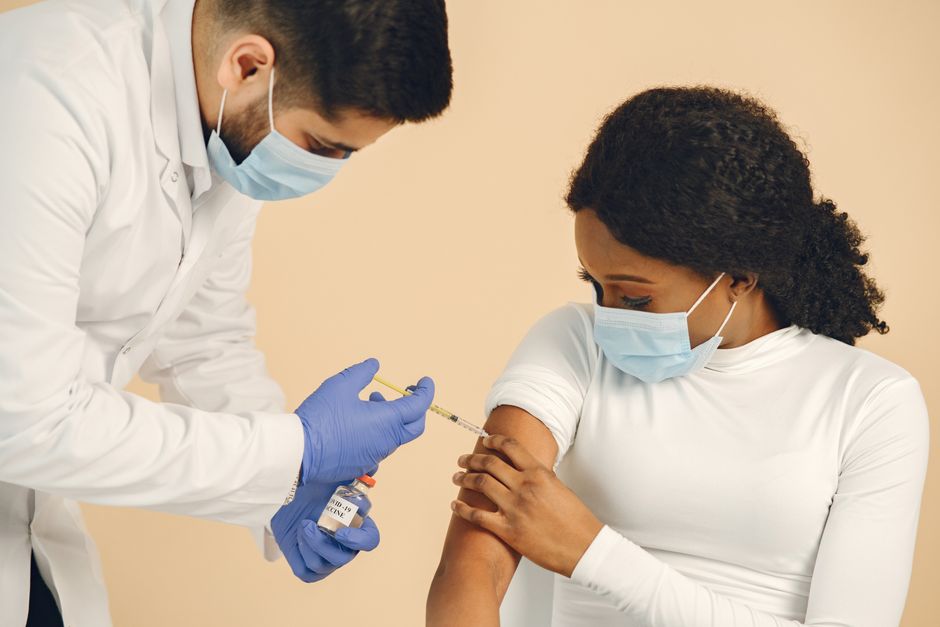
Vaccination before infection reduces this effect. People who were vaccinated and then got breakthrough COVID had better preserved immune cell counts than unvaccinated people who got COVID. The vaccine trains the immune system to fight the virus more efficiently, which reduces the overall strain on the system.
| Severity of COVID | Immune Cell Recovery Time | Risk of Other Infections |
|---|---|---|
| Mild (no hospitalization) | 2-4 months | Slightly elevated for 1-2 months |
| Moderate (hospitalized, no ICU) | 4-8 months | Moderately elevated for 3-6 months |
| Severe (ICU required) | 8-12+ months | Significantly elevated for 6-12 months |
What Helps the Immune System Recover After COVID?
Rest is the most evidence-backed way to support immune recovery. The immune system regenerates most actively during deep sleep. Research shows that people who sleep less than six hours per night have slower recovery of T cell counts after infection.
Nutrition matters but not in the way many articles claim. There is no special diet that “boosts” immunity after COVID. What helps is avoiding deficiencies. Vitamin D, zinc, and vitamin C are all important for immune function. If you are deficient in any of these, correcting the deficiency supports recovery. If you are not deficient, taking extra does not help.
The National Institutes of Health recommends getting tested for nutrient levels before starting supplements. Random supplementation is unlikely to help and can sometimes cause harm. Too much zinc, for example, can suppress immune function rather than improve it.
Gradual return to exercise is also important. Pushing too hard too soon can worsen symptoms and delay recovery. A study from the United Kingdom found that people with long COVID who attempted high-intensity exercise too early had more inflammation afterward than those who started with gentle walking and stretching.
Stress management is not optional. Chronic stress raises cortisol levels, which suppress immune function. People who reported high stress levels after COVID had slower recovery of immune markers in multiple studies.
What Should You Not Do After COVID?
Avoid jumping back into a full schedule immediately. The immune system needs time to rebuild. Returning to work, social obligations, and exercise too quickly can prolong recovery.
Do not take immune-boosting supplements without testing first. Many products sold as immune boosters have no evidence behind them. Some, like high-dose vitamin A or zinc, can be toxic in large amounts. The FDA does not regulate supplements for safety or effectiveness.
Do not ignore new or persistent symptoms. If you are still feeling unwell weeks after COVID, talk to a doctor. Long COVID is a real condition that affects multiple body systems. Early intervention can help manage symptoms and prevent them from becoming chronic.
Do not assume you are protected from reinfection. Having COVID once does not give you lifelong immunity. The virus continues to evolve, and new variants can evade previous immunity. The immune system also needs time to recover before it can mount a strong response to a new infection.
- Rest more than you think you need for at least two weeks after symptoms resolve
- Get tested for vitamin D, zinc, and iron deficiencies before supplementing
- Return to exercise slowly — start with walking and increase intensity over weeks
- Sleep 7-9 hours per night to support immune cell regeneration
- Stay up to date on COVID vaccines to reduce strain on your immune system
Some people report that certain supplements like N-acetylcysteine (NAC) or quercetin help with lingering symptoms. The evidence for these is weak. Some small studies suggest possible benefits, but larger trials have not confirmed them. Talk to your doctor before trying these, especially if you take other medications.
Frequently Asked Questions
Frequently Asked Questions
How long does it take for the immune system to recover after COVID?
For mild cases, recovery typically takes 2-4 months. For severe cases, it can take 8-12 months or longer. Full recovery depends on age, overall health, and severity of the initial infection.
Can COVID cause autoimmune disease?
Some studies suggest COVID can trigger autoimmune responses in susceptible people. Cases of new-onset rheumatoid arthritis and lupus have been reported after infection, but these are rare. The overall risk is low.
Does COVID weaken your immune system permanently?
No, permanent immune damage is not typical. Most people recover normal immune function over time. The immune changes seen in long COVID are generally reversible, though the timeline varies.
Can you get COVID again while your immune system is still recovering?
Yes, reinfection is possible. A recovering immune system is less effective at fighting new variants. Vaccination reduces the risk of severe illness from reinfection.
